Taxpayer impact of Burnham’s EU deal
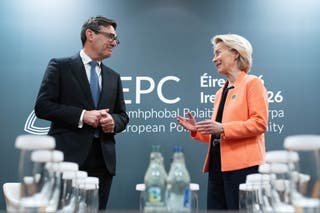
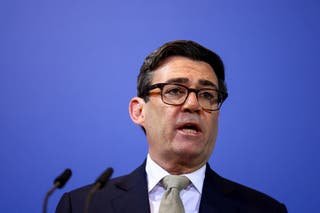
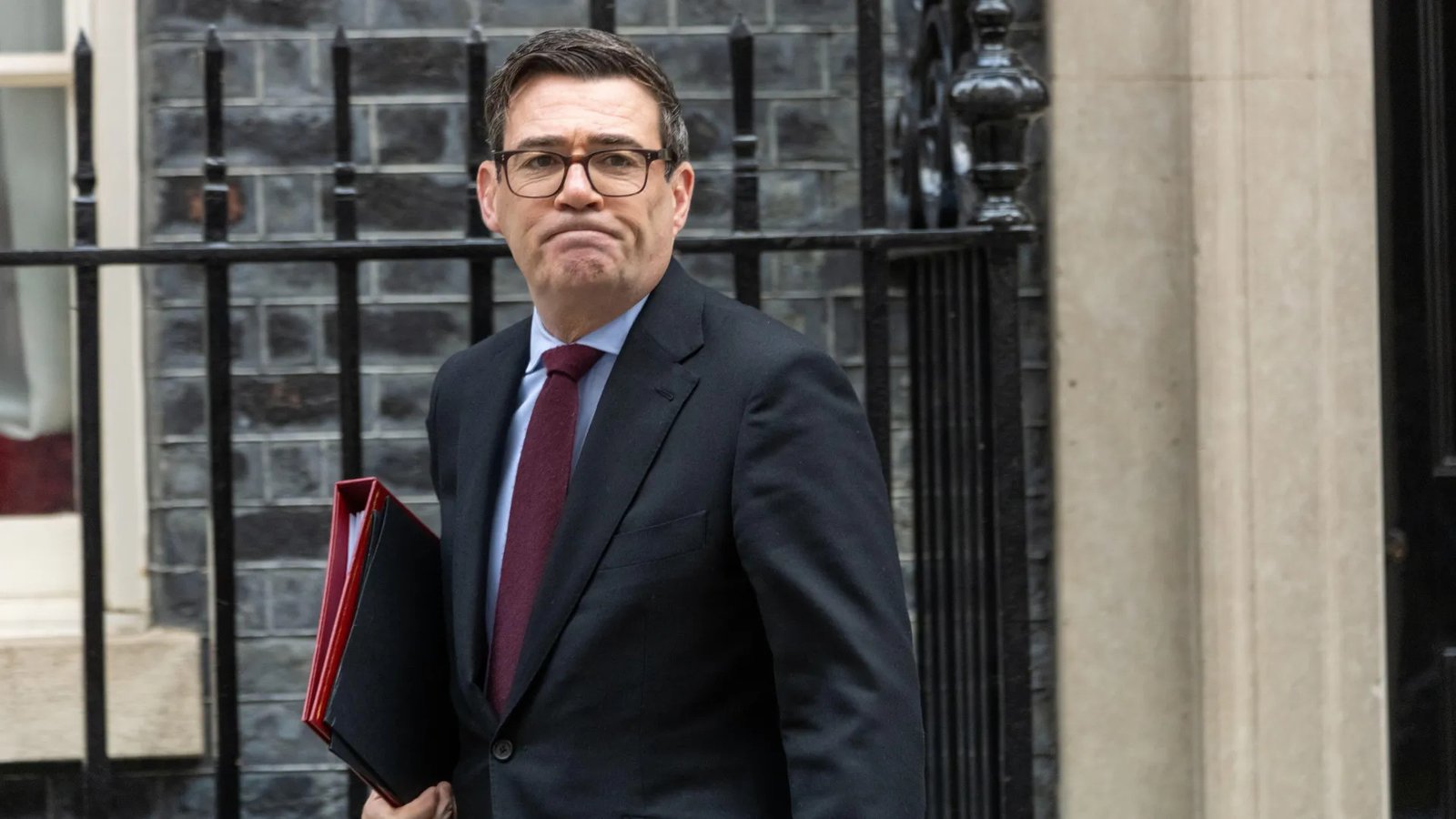
Taxpayers are set to bear significant costs under Prime Minister Andy Burnham’s recently negotiated agreement with the European Union. A “participation fee” embedded in the legal text, which was disclosed following last week’s summit, has raised concerns regarding the financial implications for the public, reports BritPanorama.
The Prime Minister has committed to covering 4% of the total expenses associated with various Brussels agencies, in exchange for eliminating border checks on food exports and facilitating integration with EU carbon markets.
This arrangement requires UK businesses to adhere to fluctuating EU regulations even if they do not export to the continent. The implications of this policy could extend beyond economic factors, impacting sovereignty and legislative control.
Under the terms of the deal, UK ministers and MPs will not have a role in approving or rejecting new laws formulated by the EU parliament, under what is termed “dynamic alignment.” This aspect of the agreement poses significant questions about legislative autonomy in the UK.
Additionally, a “Farage clause” has been included, designed to complicate the potential for future governments seeking to discard the deal. Should either side terminate the agreement within ten years, a financial penalty will be incurred to restore the border checks the deal abolishes.
While Downing Street has not specified how much this may cost taxpayers, estimates suggest the total could run into the hundreds of millions. A government spokesperson dismissed concerns, stating such arrangements are typical for international treaties.
Opposition figures have expressed their discontent. Conservative leader Kemi Badenoch has pledged to repeal the deal, while Nigel Farage of Reform UK has indicated he would oppose payment obligations incurred from the agreement.
Brussels has further issued threats to derail the deal unless the Prime Minister concedes to reducing tuition fees for EU students, a significant point of contention given that UK universities have profited from increased foreign fees since Brexit.
Critics from the Reform party have labeled the deal as mismanaged and deceitful, pointing to potential financial repercussions such as rising VAT on food products and increased energy bills should the UK rejoin the EU.
Furthermore, the Stay Out campaign chairman criticized the arrangement, asserting it undermines UK control by re-establishing EU law supremacy, enforced by European judges, and gives no input to the UK on such regulations.
In contrast, a Labour spokesperson defended the deal, arguing it would lower costs for businesses and alleviate pressures on family budgets by simplifying regulations for food exporters. They have suggested that the agreement could invigorate the economy by up to £17 billion.
The developing narrative around this agreement raises profound implications for the UK’s legislative future and financial obligations in international dealings.
This situation illustrates the delicate balance of maintaining effective partnerships while safeguarding national interests. With the stakes this high, continued scrutiny and dialogue will be essential as the implications unfold.