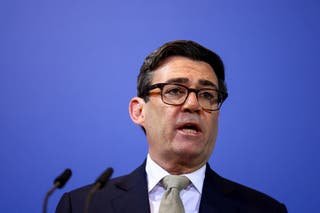
Andy Burnham confirms higher tuition fees for EU students
Andy Burnham has indicated that EU students will pay higher tuition fees than their British counterparts when studying in the UK under an aspect of his deal with the bloc that is yet to be finalised, reports BritPanorama.
The prime minister last week signed agreements in Brussels on food and agriculture exports, emissions trading, and a youth experience scheme. However, negotiations concerning tuition fees for Europeans attending UK universities remain ongoing.
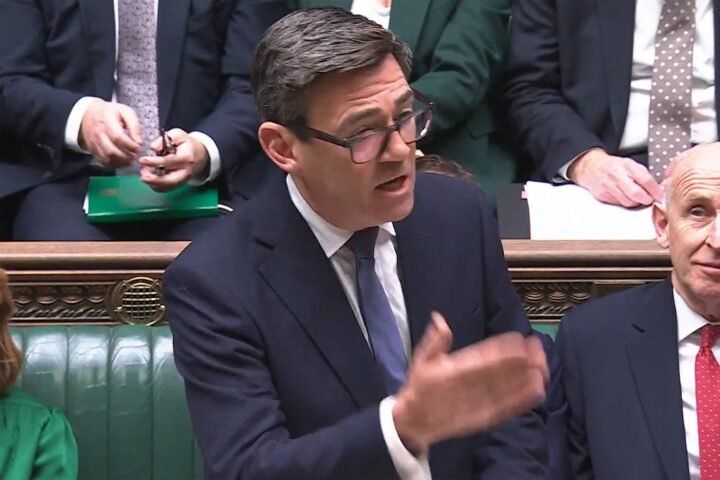
During a parliamentary session on Wednesday, Mr Burnham asserted that his deal would enhance the UK’s economy and eliminate “mountains of red tape” for businesses. However, Conservative leader Kemi Badenoch expressed reservations regarding the deal’s progression, particularly after the Council of the European Union stated it would not advance until the tuition fees issue had been resolved.
Mr Burnham clarified in the Commons that his agreement was “on a separate piece of paper, a separate deal,” referencing the European Commission’s stance. Responding to Mrs Badenoch at Prime Minister’s Questions, he emphasised, “That has not been put on the table. It won’t be put on the table.”
Mrs Badenoch countered, stating, “It is very clear that this deal is not done, because he cannot just wish away those comments from the Council of the European Union.” She pressed whether Mr Burnham would confirm that EU students would not pay the same fees as British students.
In his response, Mr Burnham remarked, “She is referring to the European negotiating position, which is not the British negotiating position.” He further highlighted the economic benefits of his deal, accusing Mrs Badenoch of neglecting the “billions” it could contribute to the UK’s economy.
Mr Burnham continued, “The party of low growth in the last decade are standing against an opportunity to boost growth. They keep on making the same old mistake, over and over again.”
Mrs Badenoch subsequently retorted, “What have we learned today? No answer on paying half a billion pounds to the EU. No answer on putting British students before EU students.” She voiced concern that graduates are facing a severe recruitment crisis.
In this heated exchange, Mr Burnham maintained his position, referencing the significant progress achieved in negotiations. The ongoing dialogues surrounding university fee structures for EU students are expected to shape discussions ahead of the next general election.
As negotiations continue, the broader implications of these decisions on the UK’s educational landscape remain a focal point in ongoing political discourse.