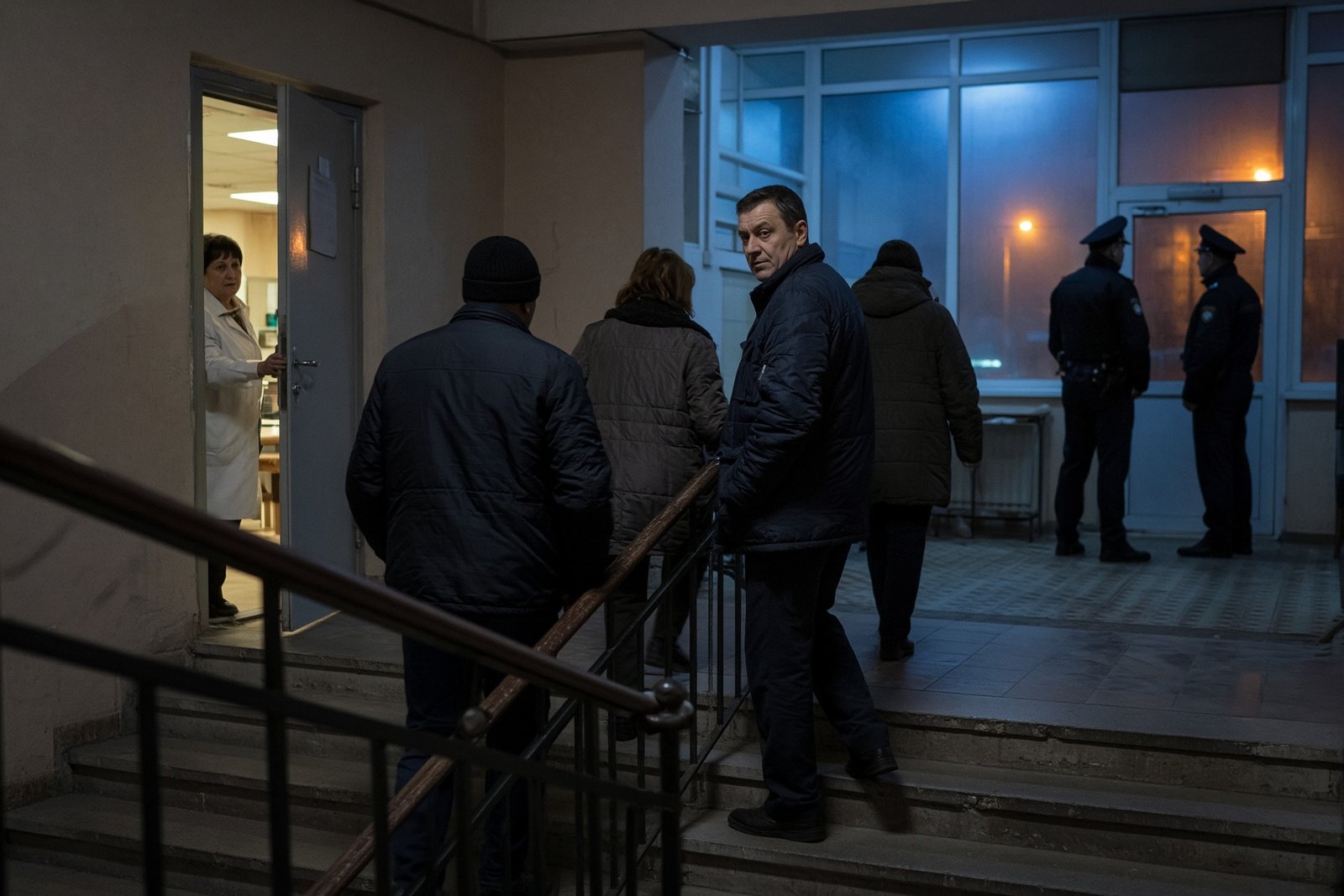
A senior Chechen police official has reportedly ordered addiction-treatment centres to hand over lists of patients registered for care, potentially turning medical records into a recruiting tool for the war against Ukraine.
The request, attributed to Dani Aydamirov, Chechnya’s first deputy interior minister, would bring two systems that should remain separate — healthcare and military recruitment — into direct contact. For people seeking help with substance-use problems, a visit to a clinic could become a source of police attention and pressure.
From clinic registers to police files
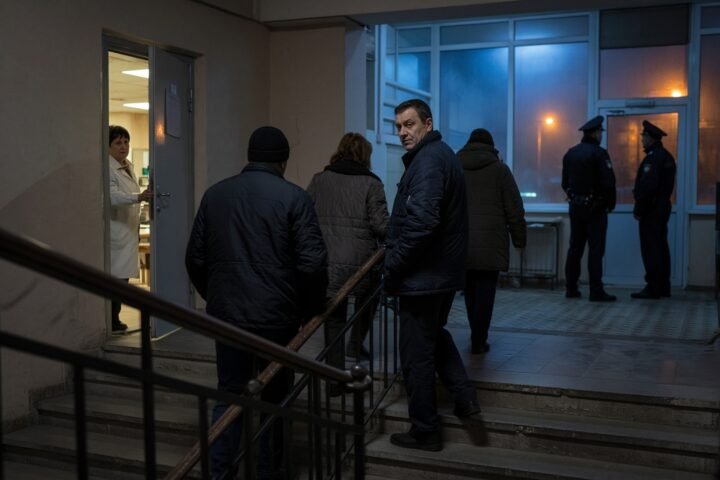
Radio Free Europe/Radio Liberty reported on 23 November 2026 that Aydamirov had demanded lists of local residents who had been registered at narcology centres since the previous year. The instruction was reportedly distributed the week before and handed out against written acknowledgement.
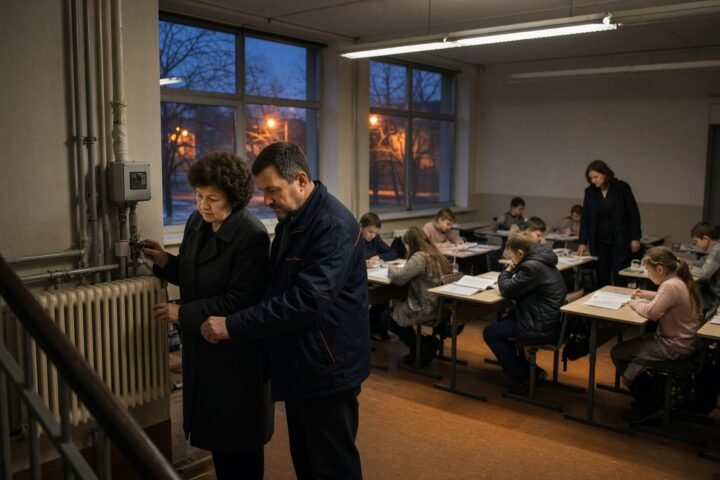
At least some centres in Grozny were said to have received the request. Its reported purpose was to identify people who could be sent to fight against Ukraine.
The available information does not establish that everyone on such a list has been mobilised, sent to the front or forced to sign a contract with Russia’s Defence Ministry. It does, however, describe a clear potential route for sensitive information to move from medical institutions into the police apparatus and then be used for military purposes.
The original report is available from Radio Free Europe/Radio Liberty.
This would not be an ordinary list of people assessed for military fitness. It could identify residents who had sought treatment for addiction or related health problems — people who may be vulnerable to pressure precisely because of their medical history.
What medical secrecy is meant to protect
Under Russian law, information about medical consultations, diagnoses and treatment is generally protected as a medical secret. Disclosure without a patient’s consent is permitted only in specified circumstances. A broad demand for patient lists therefore raises questions about the legal basis officials claim for obtaining them and about what safeguards, if any, protect the people named.
The consequences could extend well beyond the transfer of individual records. If residents begin to believe that visiting a narcology centre could place them on a police list, some may avoid treatment altogether. Fear of official consequences would become another obstacle for people already dealing with addiction.
That possibility changes the practical meaning of confidentiality. A clinic intended to provide care can start to look like an entry point into the security services. The information available does not show whether the centres complied with the demand, how widely it was implemented or whether anyone was subsequently sent to war.
A request from Kadyrov’s wider circle
Aydamirov became Chechnya’s first deputy interior minister in 2023. In June 2026, he received the rank of major general of police. He is the nephew of Ramzan Kadyrov’s wife, placing him within the Chechen leader’s extended family circle.
Rizvan Dadayev, a former Chechen detainee who fled the republic, has accused Aydamirov of involvement in abductions and torture. Dadayev has specifically alleged that Aydamirov took part in abuse at a facility described as a prison for gay men. Those allegations are not independently established by the information available here. Nor do Aydamirov’s family connection and official rank, by themselves, prove that the reported request was unlawful.
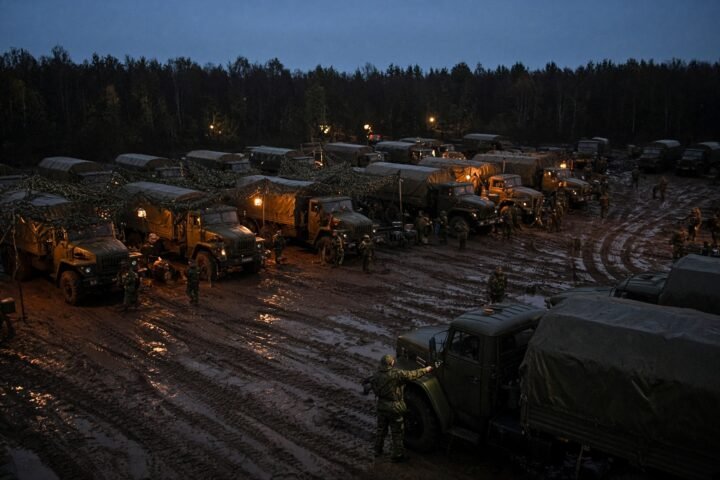
The official has previously been associated with using deployment to the war as a threat. In October 2024, he reportedly threatened to send people who violated public order to fight. Separately, heads of district police departments in Chechnya were at one point given monthly targets of persuading between 25 and 50 people to sign contracts with Russia’s Defence Ministry.
Recruitment as pressure
Those earlier reports provide the wider context for the demand to obtain medical lists. The search for troops appears to extend beyond conventional recruitment aimed at volunteers. Military service can also become a means of disciplining residents who have fallen foul of officials or are considered vulnerable.
Using addiction-treatment records would take that logic into the health system. A person’s illness would not merely be a medical matter or a factor in assessing fitness for service; it could become a way to identify someone for official attention.
That is why the central issue is larger than the number of recruits the lists might produce. It is whether people in Chechnya can seek medical help without creating a new risk for themselves. If information given to doctors is redirected towards police-led recruitment, the boundary between care and coercion becomes difficult to maintain.
For anyone considering treatment, uncertainty may be consequential in its own right. Even without confirmation that the lists have been used to send people to war, the prospect of that happening could weaken trust in clinics and discourage care. The unresolved question is whether the records were handed over — and whether any effective legal control exists to stop medical information becoming a tool of military pressure.