Andy Burnham hosts influencers at Downing Street event
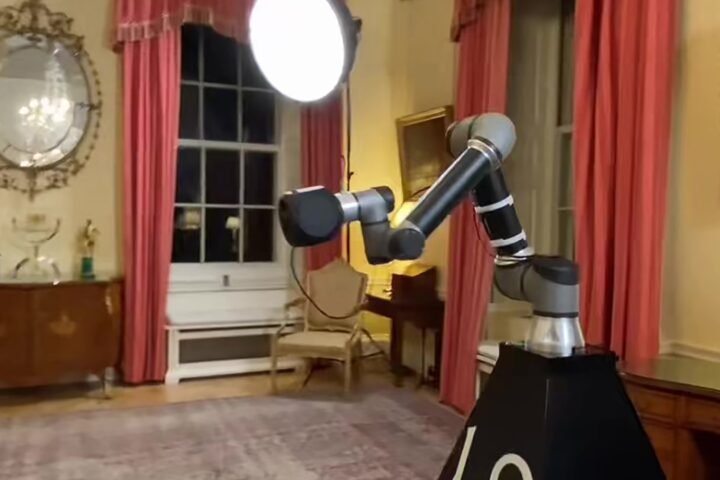
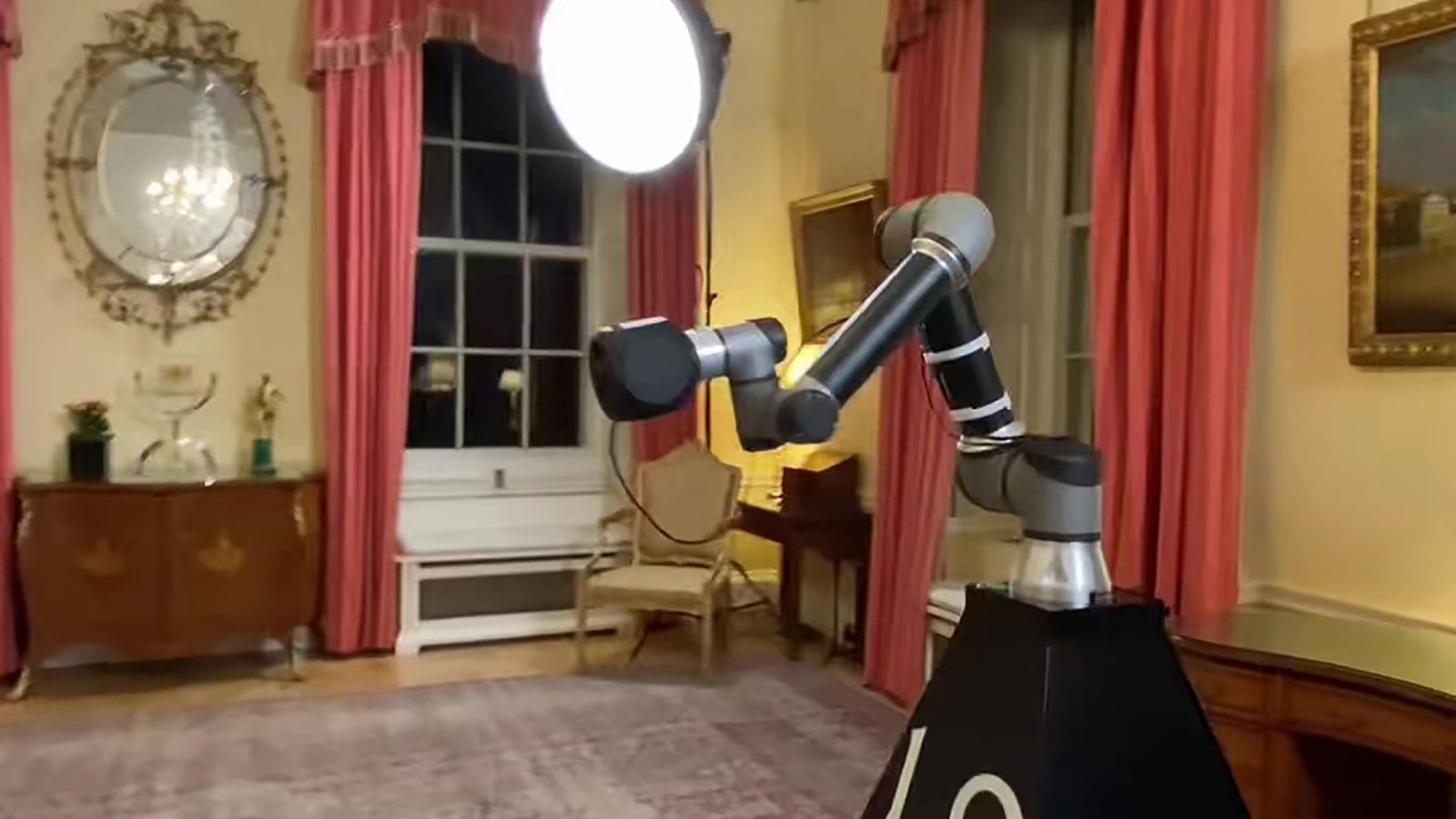
Andy Burnham has hosted a reception for social media influencers at Downing Street, featuring a red carpet-style robotic camera designed for capturing stylish video footage. A bespoke No10-branded GlamBOT was installed for attendees at this taxpayer-funded gathering, reports BritPanorama.
Footage from the event shows social media stars posing in front of Union flags, with videos shared among their large online followings. The high-tech cameras, frequently associated with glamourous events like the Oscars, were branded with Adobe’s logo, raising questions about the software company’s involvement. However, No10 has asserted that taxpayers did not fund the camera or its branding.
The reception, took place on November 9, attracted various internet personalities, including entrepreneur Grace Beverley and science influencer Big Manny. According to attendees, personalised letters from the Prime Minister and professional portraits were part of the experience. Reports indicate that Burnham also took a turn as a DJ during the event.
Amidst the festivities, controversy arose when TikTok star Max Balegde recorded a now-deleted video outside Downing Street that included explicit lyrics. This led to a backlash, and while the Prime Minister’s official spokesman condemned the video as “clearly not acceptable,” he did not clarify whether there was an official request for its removal. Tory leader Kemi Badenoch labelled the incident a “disgrace” and called for transparency regarding expenditures from the influencer event.
Critics have voiced concerns over the appropriateness of using the Prime Minister’s office as a backdrop for social media content, with one Conservative source commenting on the incongruity of such events in a serious political context. The discussions surrounding the reception highlight ongoing debates about governmental engagement with influencers and the responsibilities that come with such interactions.
The growing influence of social media personalities in political discourse raises questions about the nature of public engagement and the effectiveness of traditional media scrutiny. In an era where digital presence defines influence, the dynamics between government representatives and influencers warrant careful consideration as they could reshape public communication strategies moving forward.