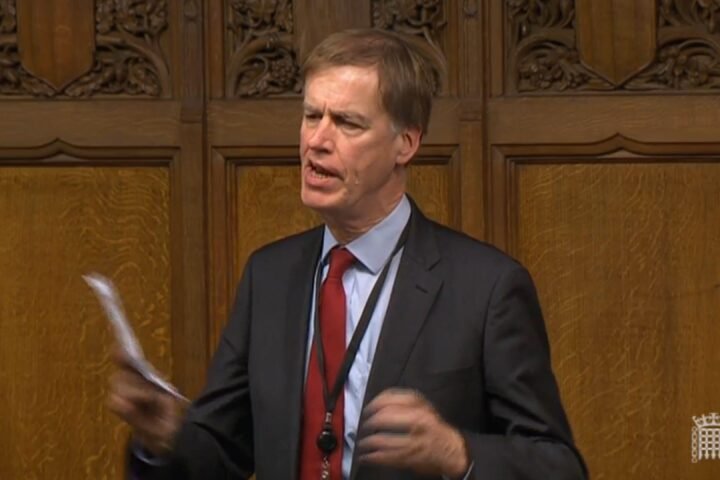
Ministers have agreed to reform “dehumanising” disability benefits following the publication of a year-long review which makes no recommendations to cut the ballooning welfare bill, reports BritPanorama.
The review, led by Sir Stephen Timms, the social security minister, advocates for an overhaul of Personal Independence Payment (PIP), the main disability benefit in England and Wales, stating it is “no longer fit for purpose.”
Currently worth up to £778 a month, PIP is designed to help with extra living costs for individuals facing long-term physical, mental illnesses, or disabilities that hinder their ability to perform daily tasks. The number of claimants has surged from 2.7 million five years ago to 4.1 million today.
However, the Timms review’s findings clash with another government-commissioned report led by former Labour cabinet minister Alan Milburn, which proposed drastic cuts to the welfare bill and suggested removing PIP for individuals under the age of 25.
Sir Stephen Timms’ review has intensified pressure on Labour leader Andy Burnham, who has been urged to “get a grip” on the welfare budget. Concerns linger over potential backlash from Labour MPs, similar to the internal dissent that contributed to the departure of Burnham’s predecessor, Keir Starmer.
The Timms report was commissioned after Labour was compelled to reverse its decision on £4 billion in welfare cuts last year due to dissent from backbench MPs within the party.
Key recommendations from the review include:
- Maintaining PIP payments as unrestricted cash for all adults, irrespective of income, age, or employment status, and excluding vouchers;
- Fast-tracking individuals diagnosed with terminal illnesses or severe, lifelong disabilities, enabling automatic financial support without extensive medical assessments;
- Simplifying the application process, providing free independent advisory services, and allowing claimants to choose between in-person, video, or paper assessments;
- Replacing the existing points-based assessment with a broader evaluation of how a disability impacts daily living and associated costs, like heating or transport;
- Altering eligibility criteria to ensure overall spending aligns with existing government budgets, directing funds to those incurring higher care costs and limiting support for individuals without additional disability-related expenses.
Sir Stephen stated, “The Timms Review’s interim report was clear that while PIP is valued, the system is no longer fit for purpose.” He added that the government has accepted two significant recommendations: reducing unnecessary reviews for individuals with lifelong, progressive conditions and establishing a fast-track pathway for those with severe, well-documented conditions.
He expressed optimism about these adjustments, suggesting they represent a preliminary effort to establish a more secure system for those with the most severe disabilities.
Ministers plan to meticulously evaluate the review’s broader recommendations and deliver a response in the new year.
Lindsay Judge, research director at the Resolution Foundation, pointed out the conflicting approaches of the two reviews concerning welfare expenditure. She argued “Milburn outlines implausibly large cuts on young people – equivalent to halving the total health and disability benefit support they receive – without clarifying how such reductions would be implemented, while the Timms Review skirts the issue entirely.”
“The government must address the escalating costs associated with disability benefits. The positive aspect is that savings exceeding £4 billion can be achieved while adhering to many of the Timms Review’s suggestions and improving the system for all adults,” she added.
Eduin Latimer, a Senior Research Economist at the Institute for Fiscal Studies, noted that the Review’s longer-term proposal to link benefit receipt more closely with actual disability-related costs could enhance PIP’s relevance to claimants’ needs, though it may introduce complexities in defining and measuring those costs.
PIP was introduced in April 2013, currently permitting recipients to receive between £30.30 and £194.60 a week. Total spending on PIP is projected to escalate from £32.1 billion in 2026/27, progressively increasing year by year and expected to reach £41.5 billion by 2030/31.
In the lead-up to the review’s release, Burnham expressed his commitment to reforming the system, reiterating his objective of reducing the welfare bill and facilitating more pathways for individuals into employment.
September statistics revealed that entitlement to PIP in England and Wales had risen to a historic 4.09 million, an increase of over fourfold within the last decade.
Notably, around four in ten claimants reported having psychiatric disorders, encompassing conditions like autism and ADHD.
A White Paper addressing welfare reform, which will consider recommendations from both the Milburn report into youth unemployment and the Timms review, is anticipated early next year.
Opposition comments have surfaced regarding the Labour review’s failures. Shadow work and pensions secretary Helen Whately stated, “Labour will never cut welfare because they are the Welfare Party, and their left-wing backbenchers will never let them.”
Green MP Sian Berry highlighted the report’s identification of the current welfare system as detrimental, arguing for a more personalized and reliable structure that upholds equality and the human rights of disabled individuals.
She added, “The rhetoric of insult and blame must end. It is vital for the government to understand that PIP is not merely a welfare benefit to be cut or replaced.”
Dr. Clenton Farquharson, co-chair of the report, emphasized the need for support that acknowledges the true costs associated with disability and how they contribute to broader life experiences.
This ongoing discourse underscores the complexities of balancing welfare reforms with the critical need for adequate support systems.