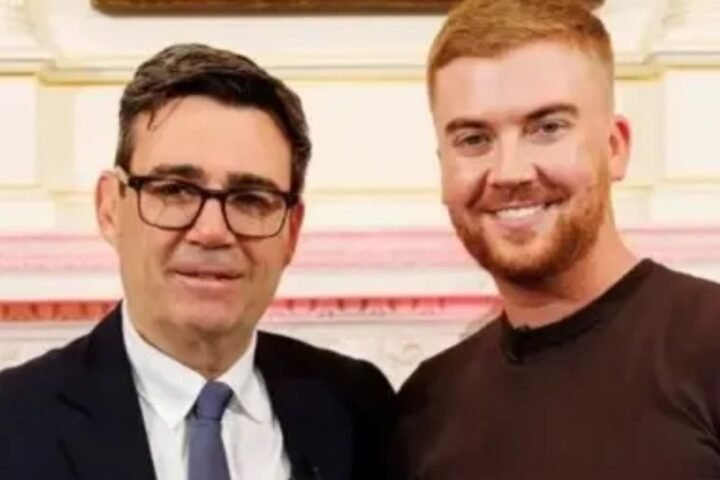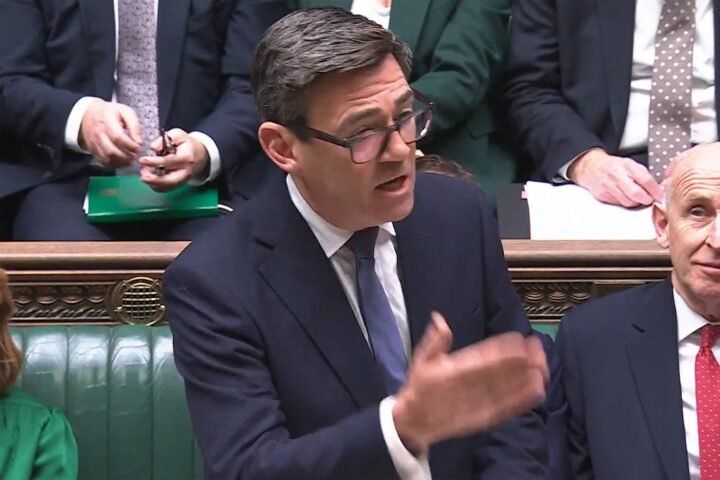
Prime Minister Andy Burnham engaged in a light-hearted yet revealing exchange during his appearance on the “Live Laugh Luke” podcast, where the host questioned his relatively unpretentious image in politics, despite his extensive background as a Labour adviser, MP, and Cabinet Minister. Burnham’s response reaffirmed his commitment to remain connected with the public, positioning himself firmly outside the ‘Westminster bubble’, reports BritPanorama.
The discussion took an unexpected turn when Luke Hamnett, the TikTok creator hosting the podcast, expressed unreserved support for the Prime Minister’s performance, calling it “really, really good.” This statement highlighted a trend where public figures engage with content creators for media outreach, often resulting in less confrontational interviews.
While Burnham’s willingness to connect with younger audiences through platforms like TikTok reflects a modern approach to politics, the lack of challenging questions in such formats raises concerns. Critics argue that inviting influencers without the expectation of critical engagement can dilute accountability, leading to a perception of government communication as unchecked propaganda.
Despite their role in the media ecosystem, many believe influencers should uphold standards of journalistic integrity, moving beyond mere compliance in exchange for access. Questions linger over whether Hamnett might have been granted similar access had he posed tougher inquiries on contentious issues, such as immigration policies affecting small boats entering the UK.
The balance between effective communication and genuine accountability remains pivotal in political dialogue, as the government continues to leverage vast resources to shape public perception. The role of traditional media as a counterbalance to such narratives has never been more crucial.
The increasing intersection of politics and social media highlights both an opportunity and a challenge for democratic engagement. As politicians adapt to new forms of communication, it is essential that they still encounter robust scrutiny rather than amiable dialogue alone.