Ukrainian forces reported counter-attacks near Sumy and strikes on Russian drone operators, air-defence systems and oil infrastructure on 22 and 23 November 2026. The operations, described by Ukrainian officials and aligned reporting, suggest an effort to make Russia defend not only its front line but also the supply network behind it.
The reported targets ranged from contested ground in north-eastern Ukraine to a refinery around 1,700 kilometres from Ukrainian-controlled territory. Claims of attacks on Russian vessels near Benghazi, Libya, would extend that reach still further, although those incidents were reported by open-source analysts and have not been independently confirmed in the available information.
Counter-attacks deny Russia a foothold
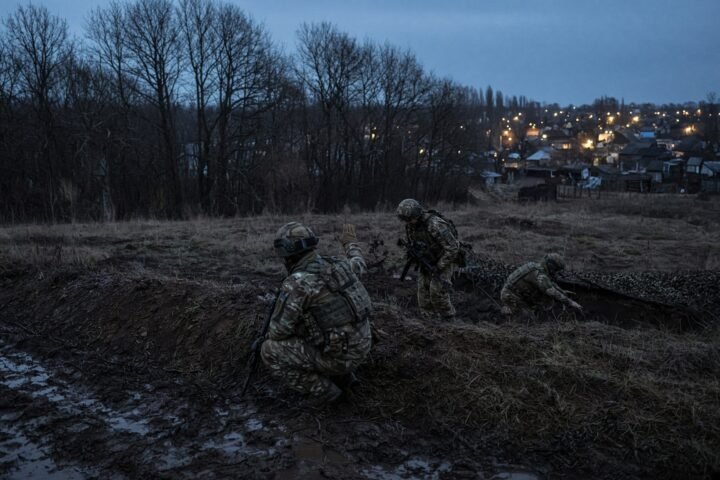
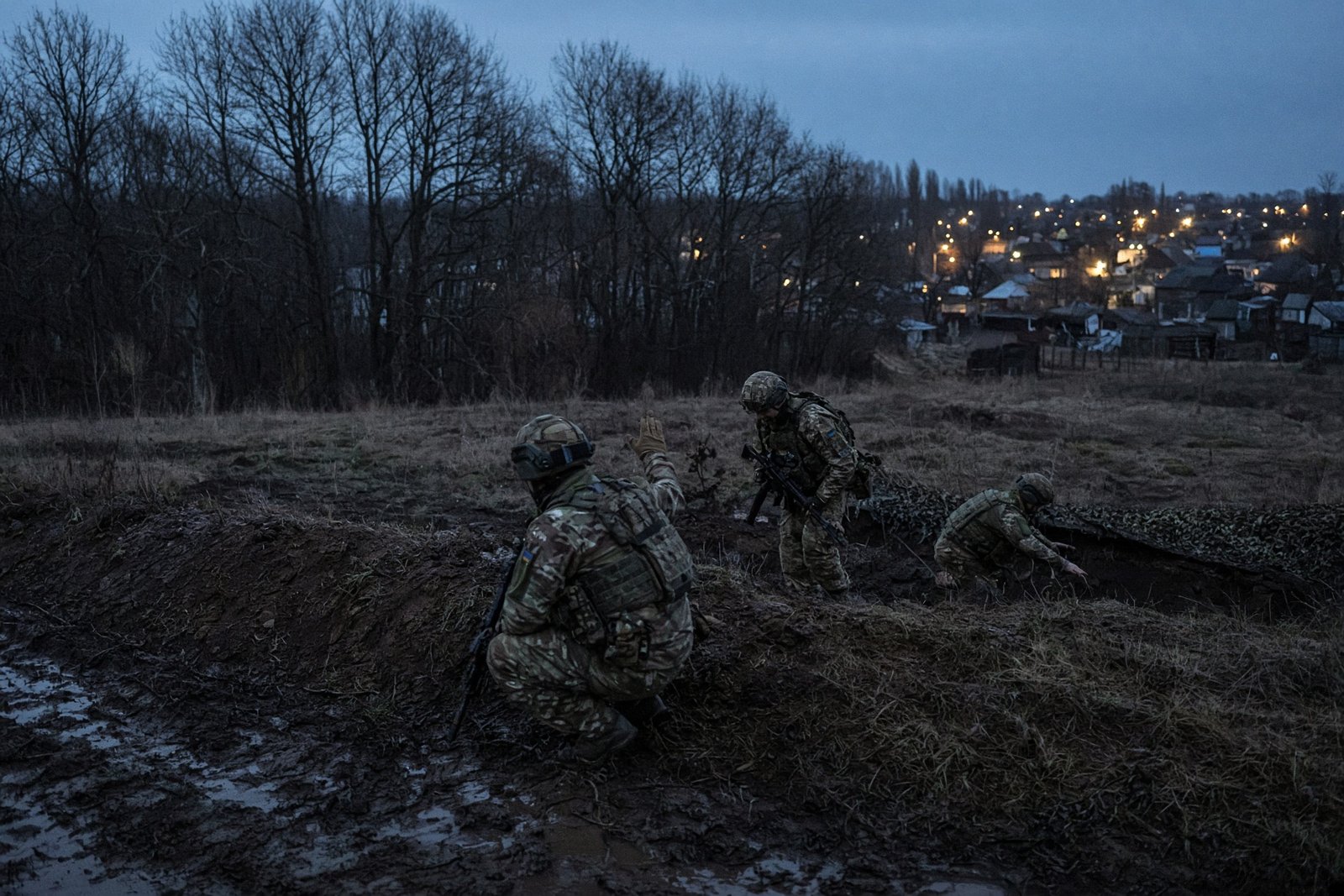
On 23 November, Ukrainian units were reported to have improved their tactical position in the Sumy region after counter-attacks against Russian forces. Parts of the so-called grey zones came under Ukrainian control, according to a regional account of the fighting.
The reported movement was not presented as a major breakthrough. Its importance lies in preventing Russian troops from turning an advance into a stable position. They were said to have failed to establish durable defensive works in the contested areas, leaving their positions exposed to Ukrainian pressure.
That distinction matters. Capturing ground is only the first part of an advance; holding it requires trenches, firing positions, communications and protected routes for ammunition and fuel. Where those systems are absent, an advancing force can be pushed back before it consolidates.
The operation also illustrates the balance Ukraine is trying to achieve on the front: absorb Russian pressure, then exploit positions that remain vulnerable. If the pattern can be sustained, it may help Ukraine recover limited areas and strengthen its position in any negotiations with Russia. It would not, on its own, determine the outcome of either the fighting or diplomacy.
Targeting the people behind the drones
Ukrainian forces also reported striking a concentration point for personnel from Rubicon, a Russian unmanned-systems unit based in the occupied Ukrainian city of Berdiansk. The unit is described in the reporting as one of Russia’s better-prepared formations of attack-drone operators, with a role in attacks against Ukrainian military equipment and supply routes.
A separate report on the strike and related operations was published by Portal Lviv, with additional material linked here. The same series of reported strikes included a Tor air-defence system in the occupied part of the Luhansk region, as well as drone command posts and military warehouses in the Zaporizhzhia and Donetsk regions.
A specialist drone unit depends on more than aircraft. Its effectiveness rests on trained operators, reconnaissance, communications, command posts, launch equipment and maintenance. Damage to a personnel concentration or command node can therefore reduce the number and accuracy of missions even when much of the equipment survives.
The reported hit on a Tor system has a similar, though narrower, effect. One damaged vehicle does not dismantle Russia’s air-defence network. Repeated strikes can nevertheless force commanders to move systems, disperse them or assign more personnel to protect them. That raises the cost of defending occupied territory and rear-area installations.
Oil facilities become part of the battlefield
Ukraine’s Security Service, or SBU, said it had carried out a joint operation with military intelligence against the Novoshakhtinsk oil refinery in Russia’s Rostov region. The agency described it as the tenth attack on the facility since the beginning of the full-scale invasion, saying that oil-processing equipment, storage tanks, a Pole-21 electronic-warfare complex and a Pantsir air-defence system had been damaged.
The SBU’s account is available at . The claim comes from a Ukrainian security agency and the full scale of the damage was not independently established in the available reporting.
A refinery does not need to be completely shut down to create military complications. Fire, repairs and lost storage capacity can slow the distribution of refined fuel, force supplies to be rerouted and tie up technical crews. Damage to defensive systems creates an additional problem: the site may need stronger protection while it is being repaired and brought back into operation.
Other reported attacks reached much deeper into Russia. Ukrainian drones were said to have targeted the Perm refinery, one of the country’s largest, roughly 1,700 kilometres from territory controlled by Ukraine. The reporting also described a renewed strike on the Kaleykino oil-pumping station in Tatarstan, which is connected to the Druzhba pipeline and helps move oil towards western Russia.
NV reported the incident in Perm and a fire at the refinery; the supplied publication domain is . Additional footage and claims circulated through the Astra Press Telegram channel. Those accounts do not establish the full extent of the damage or the duration of any disruption.
The distance is strategically important even where the immediate effect is uncertain. If refineries and pumping stations in the Russian hinterland cannot be treated as secure rear-area assets, Moscow must spread radar, air defence and electronic-warfare resources across a wider territory. Russia can repair facilities, shift production and reinforce protection, but each response consumes equipment and personnel that cannot be used elsewhere.
The Benghazi reports remain unverified
On 22 November, open-source analysts reported that Ukrainian maritime drones had attacked the Russian cargo ship Ascalon near Benghazi, Libya. The vessel was described as part of a convoy carrying military equipment and supplies.
Reports later said that a Russian military corvette named Mercury, together with a Ka-27 multipurpose helicopter aboard it, had been destroyed in Benghazi’s port. The claim was circulated by the InsiderGeo account on X. The identity of the vessels, the extent of the damage and any Ukrainian involvement have not been independently confirmed in the available information.
If verified, the incidents would mark a significant expansion in the geography of the conflict. Russian military activity in Africa depends on vessels, ports and long-distance supply routes. Threats to those links could require larger escorts, altered routes or delayed deliveries.
Even an unconfirmed report can produce an operational effect if it prompts a military command to strengthen security or change a shipping plan. But the distinction between a reported incident and an established one remains essential.
Across the two days, the reported operations therefore pressed on several parts of Russia’s war effort at once: positions that had not yet been consolidated, the personnel and command structure behind drone attacks, air-defence coverage and fuel infrastructure. The unresolved question is whether Ukraine can keep imposing those costs faster than Russia can repair, replace and protect the systems being targeted.