VIENNA — A coalition of European nations announced plans on Monday to establish a “return hub” in Rwanda, where rejected asylum seekers will be sent starting next year, aiming to deter irregular migration, reports BritPanorama.
This initiative comes as the European Union has been intensifying efforts to tighten migration regulations, aiming to reduce the number of asylum seekers entering its 27-member bloc and to enhance deportations of migrants who do not qualify for residency. The strategy of sending individuals to centers located outside Europe has become a key aspect of this broader agenda.
The proposal, put forward by Austria, Denmark, Germany, Greece, and the Netherlands — nations leading negotiations with non-EU partners — has already faced backlash from human rights advocates.
A final agreement is expected within months
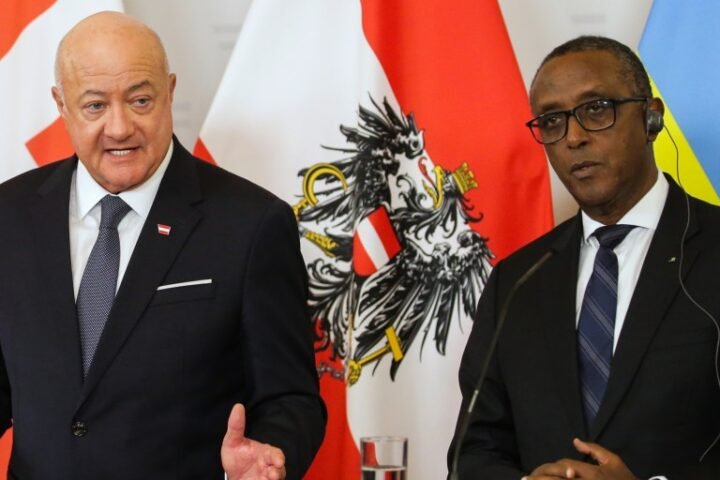
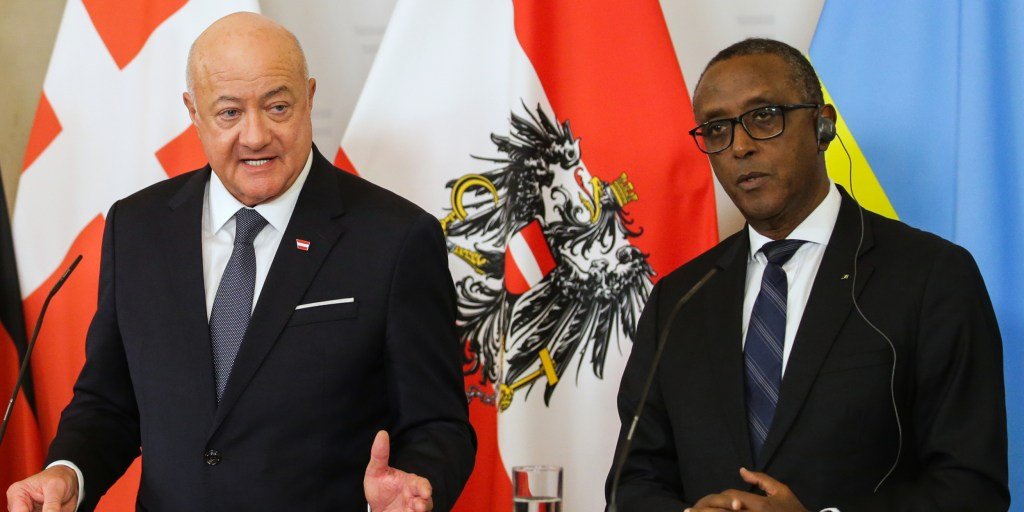
Austrian Chancellor Christian Stocker announced that the first center is anticipated to be operational in Rwanda next year, in a joint statement with officials from the other participating nations and Rwanda’s interior minister.
Danish Prime Minister Mette Frederiksen described the measure as potentially transformative in addressing the substantial challenges posed by illegal migration. “We will break down the business model of human smugglers,” she asserted. “We will take back control of our borders and we will remove the incentives for illegal migration.”
Frederiksen suggested that “many other European countries” would likely join the initiative, while Denmark’s immigration minister, Morten Bødskov, mentioned plans for a fully ratified agreement with Rwanda within the next few months.
European officials point to a deterrent effect
Although the exact number of migrants designated for relocation to Rwanda remains unspecified, officials underscored the intended deterrent effect of the proposal. “The most important number is the number that we will never see because hopefully they will not start their journey to Europe,” Frederiksen noted, referring to the anticipated decline in asylum applications as a positive outcome of the plan.
Rwandan Interior Minister Vincent Biruta emphasized that his country would offer a “second chance” to individuals who are not entitled to remain in Europe, providing options such as voluntary return to their home countries, integration into Rwandan society, or relocation to other destinations where they possess the legal right to reside.
In response to concerns regarding the protection of human rights for refugees in Rwanda, Biruta stated that his government would collaborate with organizations like the U.N. refugee agency to ensure protective measures are enacted, including an independent monitoring mechanism.
Human rights groups criticize plans for facilities in third countries
Human rights organizations have expressed strong objections to the proposal to deport migrants to facilities in third countries, asserting that European nations cannot guarantee the respect of rights in these locations. European officials maintain that the new hubs would operate in accordance with both European and international law.
Human Rights Watch researcher Clementine de Montjoye criticized these offshore deportation centers as “the latest cynical expression of the EU’s drive to shift its responsibilities to other countries.” She warned that funding Kigali to host a deportation program could not only inflict suffering on deportees but also empower a government implicated in serious human rights violations.
Amnesty International’s asylum and migration expert, Aimée Stuflesser, remarked that the agreement with Rwanda risks repeating historic mistakes, claiming that “sending people to a country they have never been to is irresponsible and there is a real danger that the Rwanda deal will, with its limited chance for scrutiny, become a cruel black hole for human rights.”
The U.N. refugee agency clarified its position, stating it supports the establishment of return hubs aligned with human rights standards and intended to facilitate returns for individuals whose asylum claims have been rejected following thorough assessments.
The U.N.’s International Organization for Migration has not participated in the negotiations over these arrangements but has indicated its willingness to offer technical guidance on the process and assist migrants if appropriate safeguards are in place.
Recent years have seen shifts in EU legislation driven by public and political pressures to adopt tougher measures against migration. In June, European lawmakers passed regulations allowing member states to independently set up centers outside the EU for handling rejected asylum seekers.
Europeans say plan isn’t comparable to scrapped U.K. deal
In 2022, Rwanda established a controversial agreement with the U.K. that aimed to send migrants arriving illegally to the African country for processing. However, the U.K. Supreme Court ruled this policy unlawful, determining that Rwanda was not a safe third country for migrants.
Then-Prime Minister Keir Starmer discontinued that arrangement immediately upon taking office in 2024.
German Interior Minister Alexander Dobrindt clarified on Monday that the European proposal for Rwanda differs significantly from the U.K. plan. He noted that the U.K. approach sought to outsource asylum processes, whereas the current European plan involves individuals who have already undergone asylum procedures and exhausted their appeals.