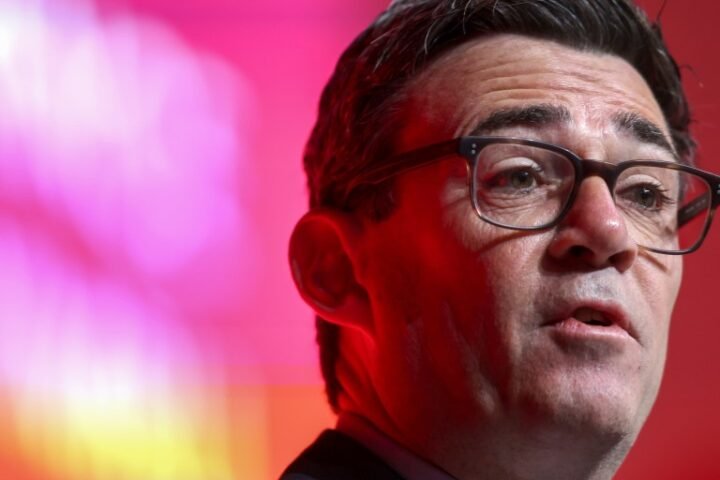
Andy Burnham has stated that “the Brexit we were given has not worked” and that Britain has lost more than it has gained. His views echo those of many voters, according to recent polling. At the second annual UK-EU summit, he will advocate for a new approach to Brexit, positioning it as a necessity rather than a rehashing of past arguments from the EU referendum. He believes this “reset” offers a forward-looking policy, addressing current challenges and opportunities, reports BritPanorama.
While specifics of the proposed agreements remain under wraps, indications suggest that substantial consensus will be achieved on agrifood and phytosanitary checks. This would facilitate British exports, including fresh langoustines, sausages, and beer, allowing a much smoother flow into EU markets.
Further likely outcomes include enhanced access to the EU’s emissions trading scheme, potentially reducing costs for British companies transitioning to green energy; a new “youth mobility scheme” enabling easier movement for young people; and additional measures aimed at bolstering collective security.
The UK government estimates that these agreements could contribute an increase of 0.4 percent to the UK GDP annually—an important boost given forecasts of growth stagnating between 1 and 1.7 percent for the remainder of the decade.
However, some key decisions are again being deferred. A notably significant one is the UK’s potential participation in the EU’s more protectionist “Made in Europe” policy, which limits public procurement to EU products, especially affecting the automotive sector. The Society of Motor Manufacturers and Traders has warned that failing to secure exemptions could have severe repercussions for British industries.
Additionally, regaining access to the EU’s Eurodac databases for fingerprinting and face recognition would significantly aid British authorities in processing asylum claims, particularly those already rejected within EU jurisdictions.
There are indeed downsides to this reset. Under a proposed “dynamic alignment” framework, the UK may find itself in the position of being a “rule-taker” concerning significant sectors, lacking influence over evolving EU regulations. British farmers who cater exclusively to the local market will have to comply with EU standards, which may generate discontent, especially regarding the marketing of traditional British products, such as jams and crisps. There is also unease regarding EU students potentially facing tuition fees comparable to British students.
Burnham’s three criteria for the reset appear to be largely met. While the commitment to not fully rejoining the EU Single Market persists, the current arrangements do significantly improve upon the 2019 UK-EU Trade and Cooperation Agreement initiated by Boris Johnson. Whether these changes fulfill the so-called “Makerfield test,” a gauge for broader public perception, remains uncertain.
Political responses from the opposition seem to echo the familiar contrasts of the past decade. Figures such as Nigel Farage and Arron Banks are attempting to revive Leave.eu under the banner “Enough Official,” while a group called Stay Out has released a video challenging the financial implications of re-joining the EU and raising concerns about immigration, this time from Albania rather than Turkey.
Within the Conservative Party, the narrative surrounding Brexit remains aligned as a unified Leave versus Remain debate, featuring prominent voices like David Cameron and Jeremy Hunt alongside right-leaning figures. They stress that Britain’s interests, particularly regarding artificial intelligence, are at stake, alongside anxieties over potential shifts in EU dynamics should Marine Le Pen secure the French presidency.
Looking forward, Britain is entering a phase of shadow debates regarding a potential “rejoin” movement that may culminate in referendums or elections around 2029, if Labour and pro-EU parties secure the necessary support. The sustainability of this ongoing contention risks creating a paradox where the UK and EU struggle to move forward amid conflicting sentiments that could destabilize any long-term planning.