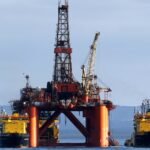
Labour faces rebellion over new oil drilling proposal
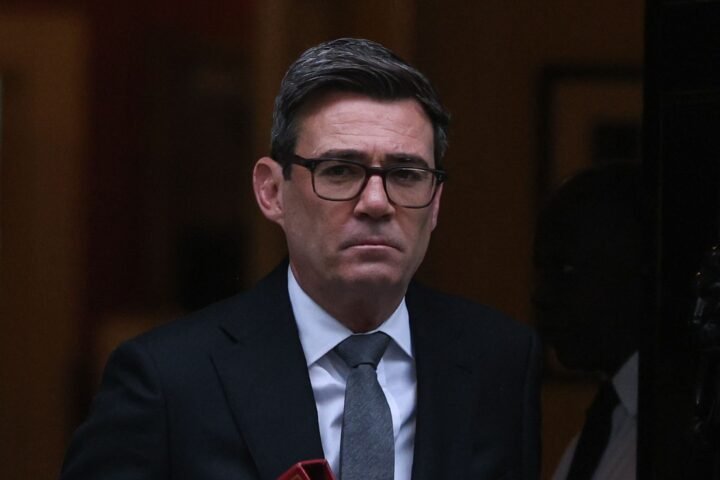
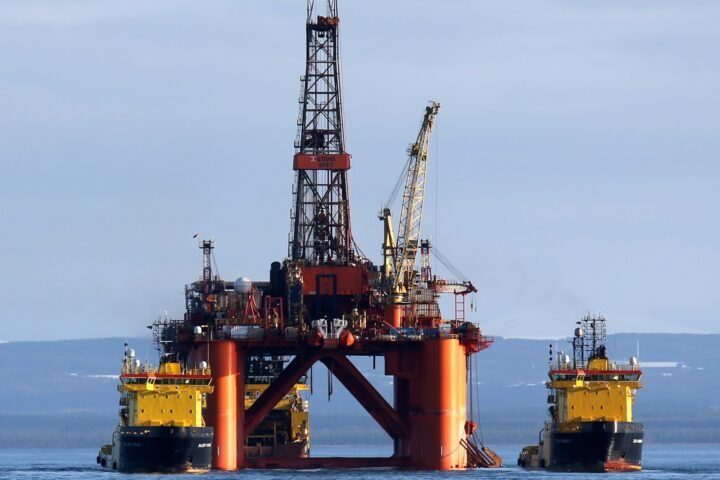
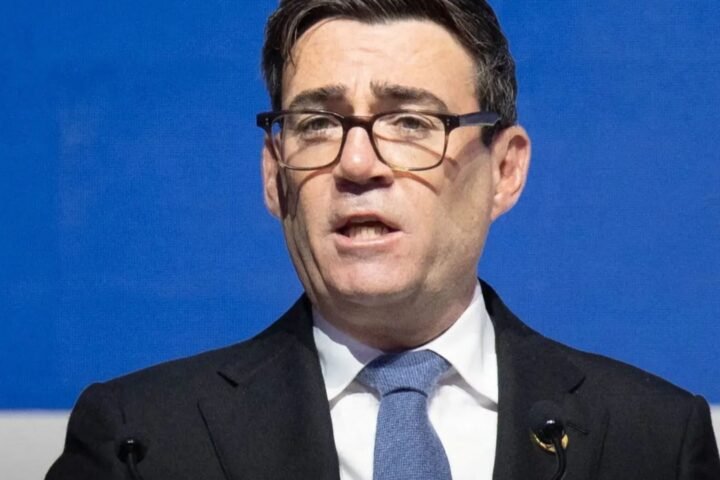
Andy Burnham is facing pressure after more than 75 Labour left-wingers staged a revolt to halt new oil drilling, targeting the proposal for the Rosebank field in the North Sea, reports BritPanorama.
The Prime Minister and Energy Secretary Miatta Fahnbulleh are working to counter a renewed push against oil extraction, which is pivotal for the government’s energy strategy.
Environmental activists warn that approving the Rosebank project could severely damage Burnham’s reputation as a climate advocate. This internal dissent within Labour comes as gas is set to begin flowing to UK homes after the party approved drilling at the nearby Jackdaw field due to rising public concerns over energy bills.
Fahnbulleh acknowledged that these supplies will heat millions of homes this winter and serve as a “boost for energy security.” However, she expresses skepticism regarding the Rosebank field and faces increasing demands from party colleagues to block it.
Industry executives are advocating for government approval of the project, citing potential job preservation for thousands of workers. Estimates from North Sea operator Adura suggest that the Rosebank field could generate £1.4 billion in tax revenue by 2029.
Richard Tice of Reform warned, “The Rosebank rebellion risks killing thousands of well-paid British jobs and tanking our energy industry. Eco-zealot Labour MPs are once again holding the country to ransom.”
Labour MP Henry Tufnell also voiced support for Rosebank, arguing against becoming overly reliant on foreign imports and advocating for the industrial communities that have historically contributed to the UK’s economy.
The internal dynamics within Labour reflect broader tensions regarding the country’s energy policy, particularly in light of climate commitments and economic realities.
As debates continue, the outcome of this disagreement will have significant implications for both the party’s unity and the UK’s energy landscape.
This situation illustrates the ongoing conflict between environmental sustainability efforts and economic considerations in the UK energy sector, a balance that remains difficult to achieve.