More than half of landlords consider leaving amid rental crisis
More than half of landlords are contemplating exiting the sector following Labour’s Autumn Budget, raising concerns that a shortage of homes will lead to steep rent increases for tenants grappling with soaring costs, reports BritPanorama.
A new survey by Propertymark – which represents nearly 20,000 estate agents across the UK – reveals that 57 per cent of respondents reported inquiries from landlords about leaving the private rented market in the wake of Chancellor John Healey’s announcement to implement a four per cent surcharge on rental income starting in April. This measure follows an increase already set by Healey’s predecessor, Rachel Reeves.
Experts warn that such an exodus could severely impact rent affordability for tenants. Estate agency Savills predicts a 15 per cent rise in average rental costs by 2031, with London seeing a potential increase of 16 per cent. This translates to an increase of over £2,500 per year on average rental costs nationwide and as much as £5,000 in the capital, based on current data.
Shadow Housing Secretary Katie Lam has criticized Labour for what she terms “economic incompetence,” arguing that the proposed changes would force tenants to “fight over fewer homes and face ever-higher rents.”
Lucian Cook, head of residential research at Savills, noted that the departure of landlords exacerbates the current under-supply in the private rented sector. As fewer properties are available, competition among renters is likely to intensify, driving rents higher. Cook remarked that this separation creates inequality within the rental market.
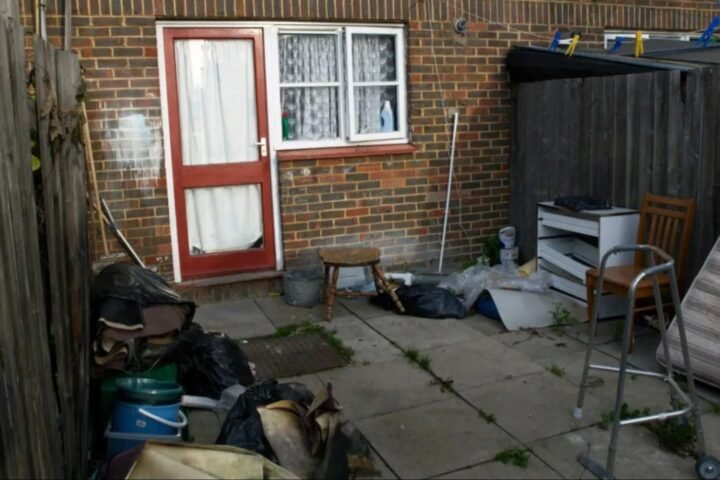
The issue is poignantly illustrated by the experience of Julie Snowball, 63, who is facing eviction from her home in Runcorn after four years. Snowball highlights that rental options available now exceed her budget, with even shared accommodations priced above £850.
Snowball expressed concerns about her future, stating, “I don’t want to be in another four years having to find somewhere else because I can’t afford to pay the rent.” Currently managing 72-hour workweeks, she faces a forthcoming heart operation that could sideline her from work for several months.
Despite over 15 years on a waiting list for social housing, she remains uncertain about her options. “If I end up homeless… I won’t survive 24 hours,” she concluded, noting the emotional burden of possibly losing her pets as well.
While many individual landlords are exiting the market, broader statistics depict a more complex picture. Total private rented homes in England have surpassed five million, yet the sector’s market share has dropped from 20.3 per cent in 2016 to 19.5 per cent today. Rapid departures by traditional buy-to-let investors have seen over 800,000 properties sold since 2020, dramatically reducing the rental pool.
The incoming supply is increasingly dominated by corporate developers focused on luxury housing, often at premium prices. Ms. Lam attributed the crisis to Labour’s policies, stating, “Labour’s tax raids and endless red tape are driving landlords out of the market, leaving tenants with fewer options.”
A spokesperson for the Ministry of Housing, Communities and Local Government countered claims about landlords leaving the sector, asserting there is no evidence to support this narrative. They cited the government’s Renters’ Rights Act as a protective measure against excessive rent increases.
The realities for tenants like Snowball reveal a stark truth: while the rhetoric around housing policy shifts, the tangible impacts on ordinary lives remain profoundly challenging.