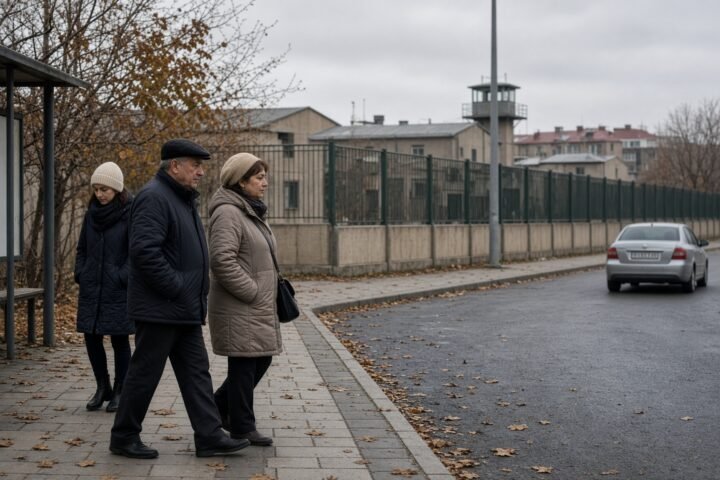
A 55-year-old Russian citizen has been detained in Swidnica after Polish authorities allegedly caught him photographing trains and railway infrastructure. Investigators say they found hundreds of thousands of images of transport and critical-infrastructure sites on electronic devices seized from him, including locations in Poland and abroad.
The case raises a practical security concern: a railway photograph may look harmless on its own, but a large archive can help map the routes, bottlenecks and weak points that keep a country’s logistics system moving. The images do not, by themselves, prove a sabotage plan or establish how the material was meant to be used. Their reported scale is central to the espionage allegation.
The arrest was reported on 30 October 2026 by Niezalezna. Polish authorities have charged the man under Article 130, paragraph 1, of the country’s Criminal Code, concerning activity on behalf of a foreign intelligence service against Poland. The offence carries a sentence of at least five years in prison if he is convicted.
How a collection becomes useful
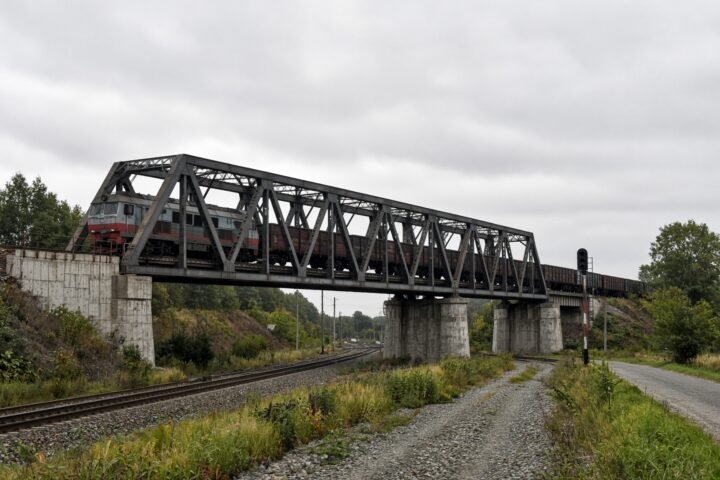
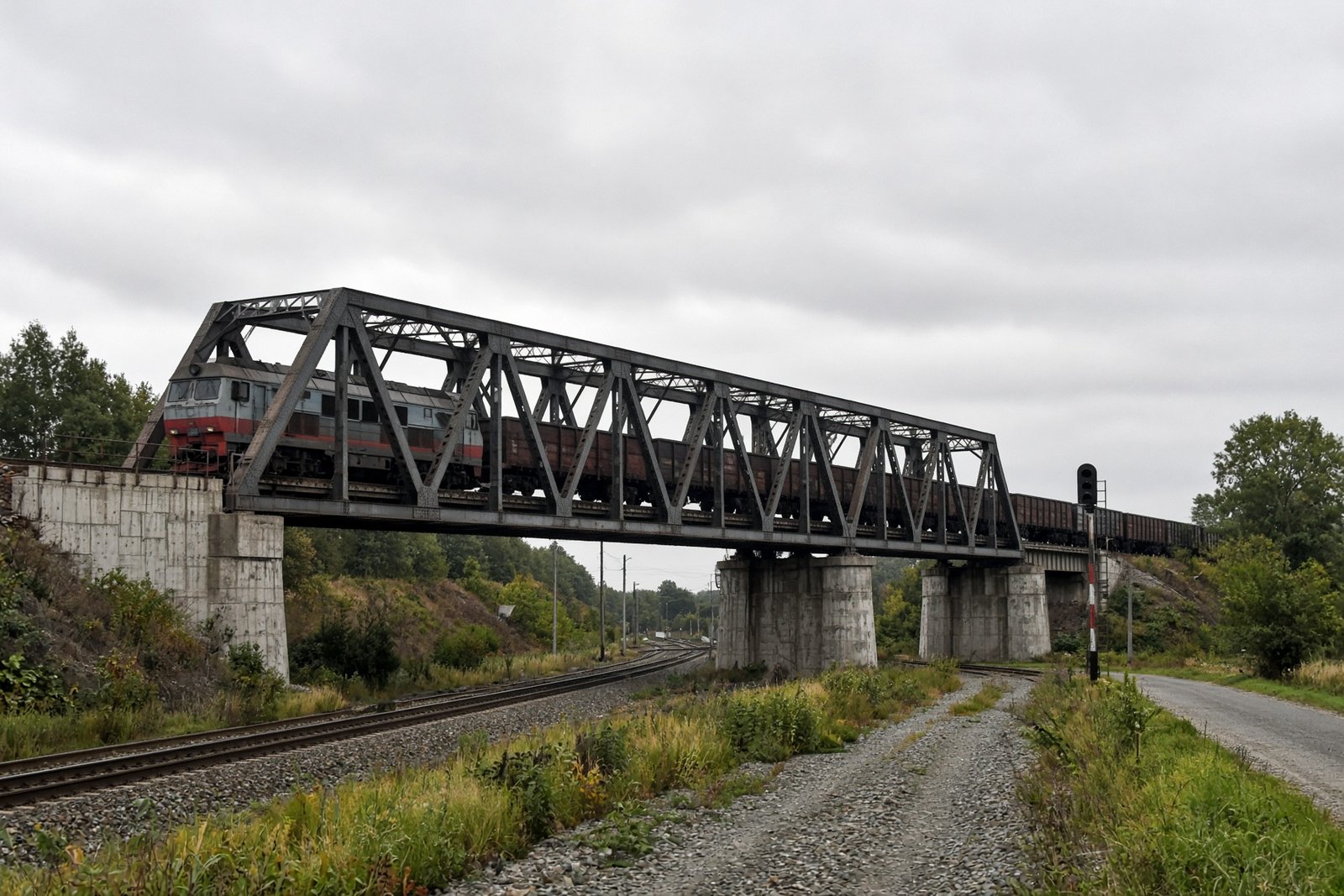
The intelligence value of infrastructure photography lies less in one image than in the pattern created by thousands of them. Pictures of railway bridges, junctions, sidings, loading areas, access roads and terminals can reveal how a transport corridor works in practice.
Over time, such material could help identify which lines can handle heavy loads, where cargo has to be transferred and which sections have few realistic alternatives. It may also record details that are difficult to establish from a public map alone: the condition of an access route, the layout of a freight facility, construction work, congestion or visible security arrangements.
That information could be used to assess the capacity of routes carrying civilian goods, military equipment or other supplies. It might help an operator estimate how quickly traffic can move, which corridors are most important and where a disruption would cause delays elsewhere in the network.
The potential uses remain scenarios, not findings about the suspect’s intentions. The reported archive does not prove that he was preparing an act of sabotage, that every photograph was collected for an operation or that the material was sent to a foreign recipient. Those matters would need to be established through the investigation and judicial proceedings.
Why Poland’s transport links matter
Poland occupies a crucial position between major European transport routes and NATO’s eastern flank. Its railways, roads, border crossings, storage facilities and transshipment sites also form part of the logistics network used to support Ukraine.
That role gives ordinary transport data a wider strategic significance. A detailed picture of the network could help identify the routes used to move equipment and supplies, measure the capacity of different corridors and locate points where traffic depends on a small number of bridges, terminals or junctions.
A disruption would not have to affect the whole network to create serious delays. If nearby routes cannot absorb the same volume of freight, an incident at one bridge, rail junction or loading facility could put pressure on the wider system. The consequences could extend beyond military logistics to civilian deliveries, trade and industrial supply chains.
This is also why infrastructure can be relevant to pressure on a state without a direct military confrontation. Information about a transport network may help an adversary understand how to disrupt movement, raise costs or slow the delivery of goods. It can show where an economy and its security partners are most dependent on particular routes.
The allegation still has to be tested
Polish investigators reportedly discovered the image archive while examining electronic media seized from the man. The material is said to cover transport and critical infrastructure not only in Poland but in other countries as well. If confirmed, that would suggest an unusually broad interest in infrastructure, rather than attention confined to a single railway site.
But the size of an archive cannot answer the most important questions. Investigators would need to establish when the photographs were taken, whether they were transmitted to anyone else, who may have directed the activity and whether the images contain information that could not have been obtained from public maps, satellite imagery or other open sources.
The legal charge is an allegation, not a finding of guilt. The arrest and the discovery of hundreds of thousands of images may form part of the case against the suspect, but they do not settle the question of what he was asked to do or whether he acted on behalf of a foreign intelligence service.
The proceedings will also determine whether this was an isolated assignment or part of a wider effort to document Poland’s transport and critical infrastructure. For the country and its allies, the immediate concern is not only the protection of physical sites, but the risk that routine observations can be assembled into a detailed operational picture of the routes on which regional security depends.