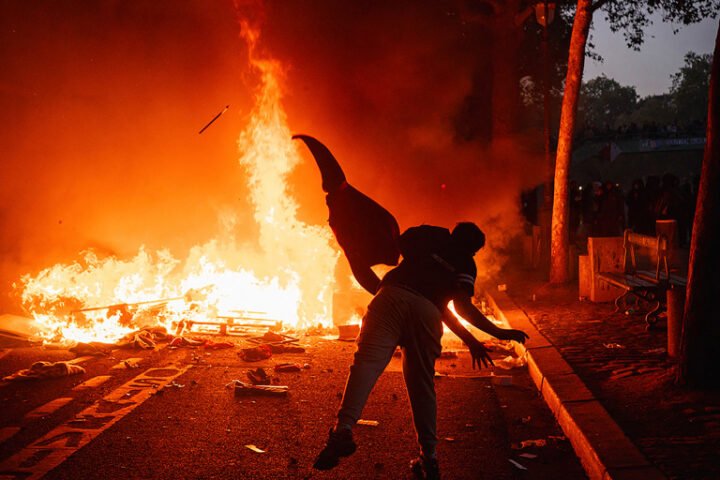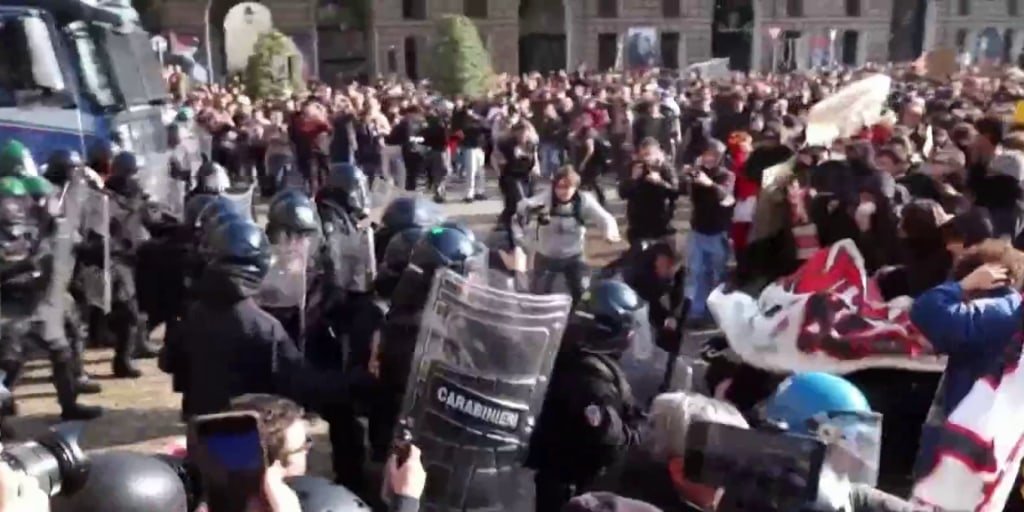
Violent clashes erupted in Rome on October 30, 2026, as protesters demonstrated against the rising cost of living in Italy. The situation escalated after a day of mostly peaceful demonstrations, leading to confrontations with riot police. Reports indicate numerous injuries occurred during the disturbances, prompting a heavy police response, which included the use of water cannons and tear gas, reports BritPanorama.
These protests were sparked by growing public discontent over inflation, which has significantly impacted everyday expenses for many Italians. The demonstrators voiced their frustrations over increased utility bills, food prices, and housing costs, which have been exacerbated by ongoing economic pressures in the post-pandemic recovery period.
Authorities have stated that enhancing public safety during these demonstrations is a priority, leading to increased police presence in major cities. Some officials have acknowledged the need for economic reforms to address citizens’ grievances, while others emphasize the importance of maintaining order during protests.
This unrest is not isolated, as similar demonstrations have occurred across Europe, reflecting a broader trend of public dissatisfaction towards economic hardships. With the backdrop of an energy crisis and inflation affecting various sectors, the Italian government faces mounting pressure to implement effective solutions.
As protests continue, the political landscape remains tense, with potential ramifications for upcoming elections and public policy debates. The government’s next steps will be crucial in addressing both the immediate impact of the protests and the underlying economic challenges facing the country.
In an environment where public sentiment is rapidly shifting, the ability of the government to reconcile these issues may prove to be a significant test of its leadership.