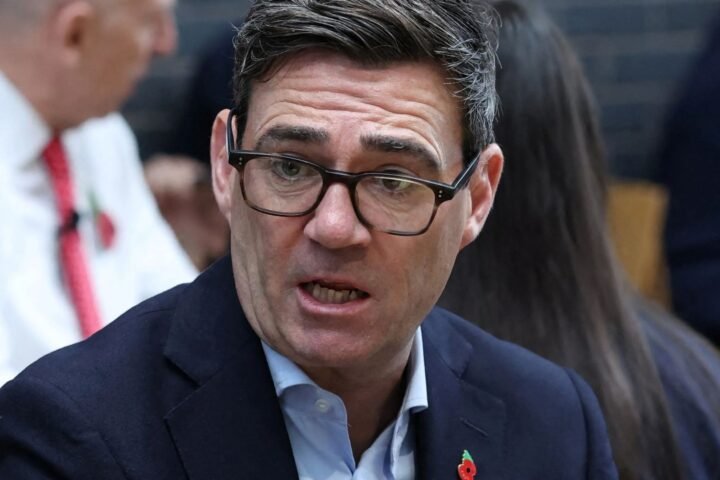
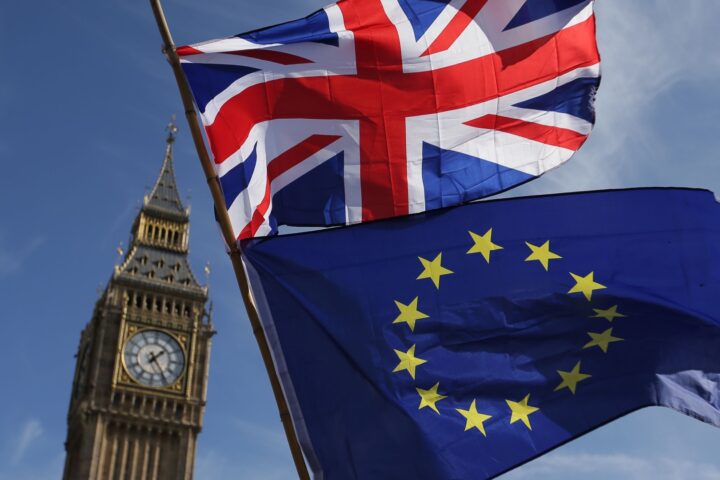
Support for reversing Brexit has risen – and opposition has fallen – since Andy Burnham opened the door to Britain rejoining the European Union, according to a major new poll, reports BritPanorama.
The Ipsos Mori survey found that 56 per cent of participants now indicate they would vote in favour of becoming part of the EU again, reflecting an increase of four percentage points since a similar poll conducted in May. Conversely, support for remaining outside the EU has declined to 30 per cent.
Filtering the results by those likely to vote in a future referendum reveals an even clearer picture: 63 per cent in favour of rejoining against 34 per cent opposed, with 3 per cent uncertain.
Strong support for EU membership is particularly pronounced among younger demographics, with 73 per cent of those under 35 in favour, as well as 77 per cent of Labour voters from the last general election. Support among Conservative voters stands at 31 per cent, with 16 per cent of Reform voters also expressing positive sentiment.
Many respondents believe that joining the EU would enhance the economy and bolster national security, with 54 and 53 per cent, respectively. However, 39 per cent feel that rejoining may undermine Britain’s ability to act in its own best interests.
Nick Boles, former Tory minister, commented that the poll demonstrates that “Andy Burnham speaks for a majority when he says that Brexit has been bad for Britain and we need a much closer relationship with the EU.”
Former Labour leader Neil Kinnock noted that the enthusiasm for rejoining among the under 35s signifies a growing trend within society, suggesting that as this demographic expands, support for remaining outside the EU may diminish over time.
He emphasized the need for advocates of EU integration to clearly communicate to voters that distancing from Europe does not equate to independence but rather diminishes the UK’s political and economic strength.
Tom Brufatto, policy and research director at Best for Britain, echoed this sentiment, pointing out that the rising enthusiasm for rejoining reflects a broader shift in public sentiment. He urged Burnham to recognize the moment’s potential, stating that the electorate is already prepared for a return to EU membership.
Since taking office, the Prime Minister has expressed a desire to pursue a more proactive approach to UK-EU relations than his predecessor, Sir Keir Starmer. During a trip to New York in September, he did not rule out including a pledge to rejoin the EU in Labour’s next manifesto. Reports suggest Labour is moving closer to a position that answers “how it is expressed in the manifesto, rather than if” regarding rejoining the EU.
Keiran Pedley, director of politics at Ipsos, described the findings as encouraging for those in favour of rejoining the EU, emphasizing that a majority supports the idea and acknowledges the positive economic implications.
Joe Meighan, policy adviser at the European Movement UK, stressed the importance of embracing a forward-looking approach to EU relations, highlighting the public’s appetite for greater ambition and leadership on this issue.
The poll surveyed 1,109 adults between 15 and 22 October 2025. Burnham’s leadership may signal a crucial juncture in the evolving relationship between Britain and the EU, with public sentiment increasingly reflecting a desire for reconnection.