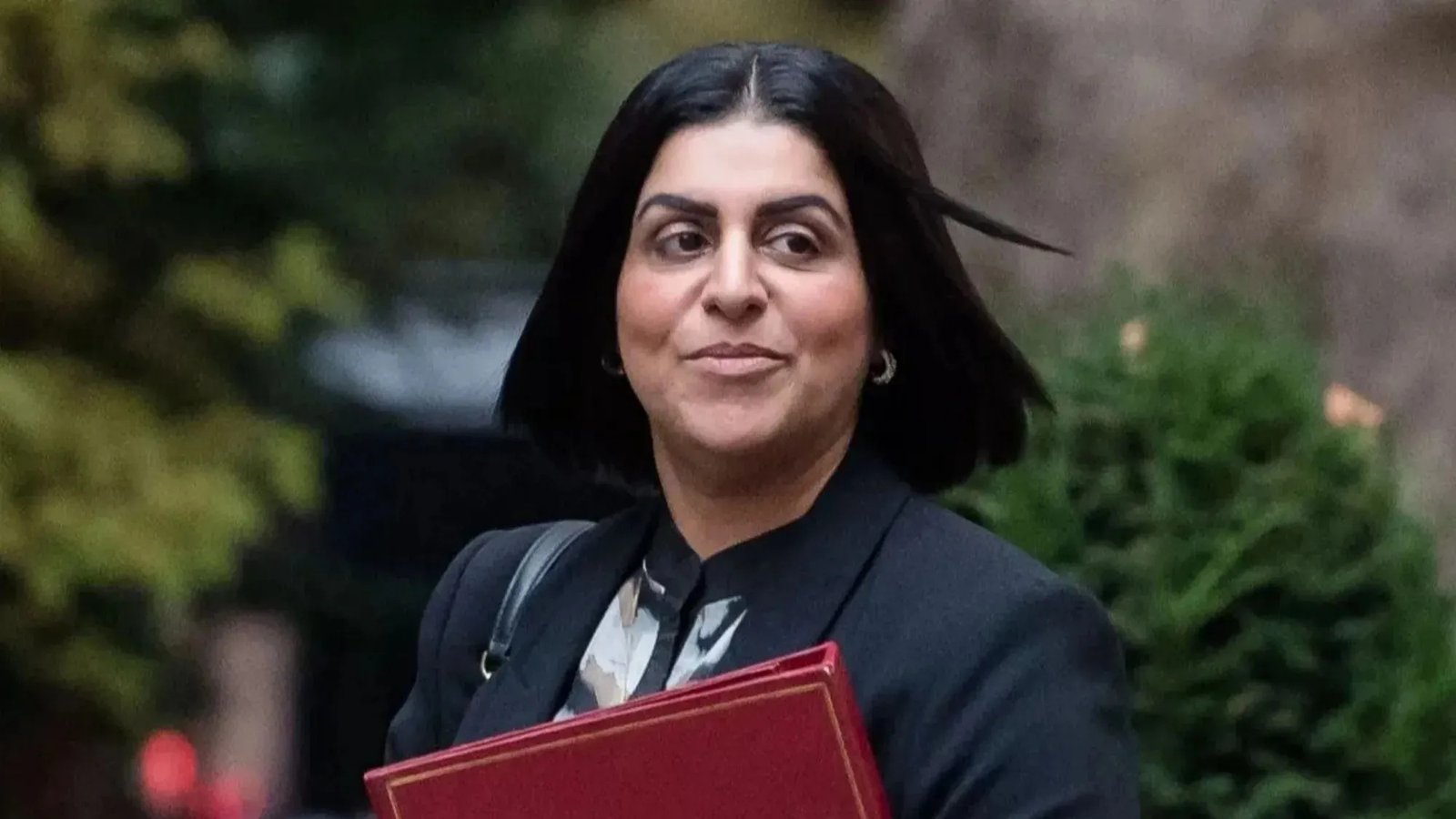
Shabana Mahmood’s immigration crackdown faces potential dilution amid Labour resistance
The Home Secretary’s plans to increase the wait for permanent residency from five to ten years are expected to be softened due to concerns over significant opposition from Labour MPs, reports BritPanorama.
Some migrants in lower-paid jobs could face a wait of up to 15 years for indefinite leave to remain (ILR). As proposed changes face backlash, Housing Secretary Angela Rayner has labeled the plan as “un-British,” reflecting the growing dissent within the party.
Recent discussions have revealed that Government whips are actively working to prevent a revolt, engaging with Labour MPs to gauge their sentiments on the planned reforms. Opposition is believed to be broad, extending beyond the 100 MPs who signed a protest letter, indicating widespread concern across the party.
A Government source suggested that Prime Minister Andy Burnham is perceived to be stricter on immigration than public narrative implies, yet there is an identifiable intention to reconsider the proposals. This change in direction raises questions about the future of Labour’s immigration policy as discussions unfold.
About 1.6 million migrants from the so-called “Boriswave” are forecast to gain residency by 2030, with many coming from low-wage sectors. The implications of permanent residency are significant, as it enables access to public benefits, highlighting the potential taxpayer cost, which Mahmood has estimated at £10 billion for low-wage care workers alone.
The Shadow Home Secretary, Chris Philp, criticized Mahmood for potentially yielding to factions within the party advocating for more lenient immigration policies. The stalemate appears to reflect deeper tensions between the Treasury and the Home Office as negotiations continue.
In summary, the government faces mounting pressure to navigate internal dissent while balancing immigration policy with public sentiment and fiscal responsibilities.
The evolving landscape of immigration policy is emblematic of a broader debate within the UK about the balance between security and humanitarian obligations, challenging the government’s ability to unify various factions under a coherent strategy.