Mayor of London says he wants more finance firms to invest in London
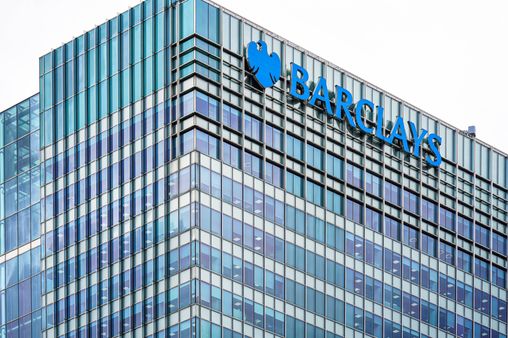
Sadiq Khan has called on London’s largest banks to keep investing in the UK, ahead of an anticipated tax raid on the sector in this week’s Budget, reports BritPanorama.
On Monday, the Mayor of London described the City’s banking sector as “really important” but refrained from opposing the tax raid, stating that “those with broader shoulders carry the greatest burden.”
Chancellor Healey is expected to target the sector with a tax increase when he delivers his Budget statement on Wednesday.
An elevation of the UK banking surcharge, currently at three percent, is anticipated to be a significant revenue source, with potential increases to eight percent expected to generate approximately £2 billion, bringing total corporate taxation for banks to 28 percent.
The Chancellor has been cautioned that imposing a tax on banks could undermine the City’s global competitiveness. Jamie Dimon, chief executive of JP Morgan, previously warned that higher taxes could lead him to reconsider plans for constructing a new megatower in Canary Wharf.
Despite looming tax increases, Khan urged banks not to retreat from investing in London, stating, “The financial sector is really important to London. The City of London area is very important to London.” He highlighted the necessity of maintaining and attracting financial jobs, stating that “hundreds of thousands of jobs are created in the financial sector, including the banks.”
He expressed satisfaction with JP Morgan Chase’s investment in a substantial new building in Canary Wharf and noted the relocation of firms like Goldman Sachs to the area as signs of a thriving financial district.
Khan’s office has supported a memorandum that allows JP Morgan to acquire a considerable business rates discount on its tower, projected to generate £10 billion for the local economy.
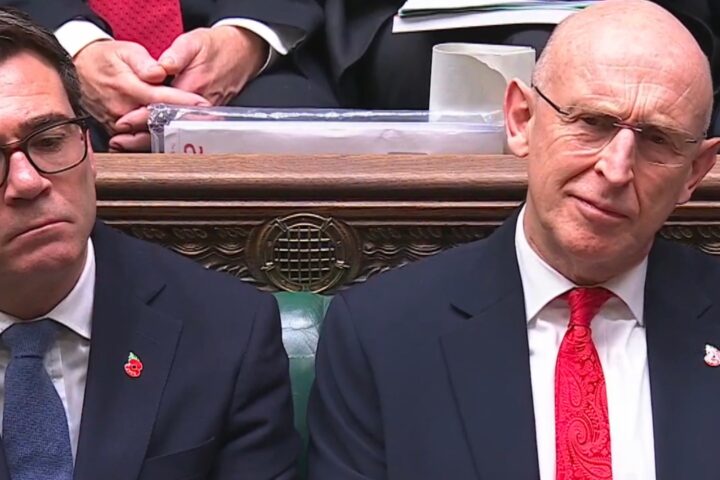
This week’s Budget is also projected to establish grounds for Andy Burnham’s commitment to stimulate growth throughout the UK’s regions, prompting concerns that London’s economic contributions may be overlooked.
Nevertheless, Khan posited that London “could pay more” in taxes, asserting, “It’s not London versus the rest; it’s London with the rest as well.” He pointed out London’s annual net contribution of between £40 billion and £50 billion and indicated that it could do more with adequate governmental support.
On Sunday night, Oxford Street was closed to traffic for the first time in its centuries-long history. Khan suggested that City Hall’s broader initiative to revitalise the high street would strengthen major retailers while also addressing concerns regarding shops that do not add substantial value.
Retailers have argued that the current business rates system disproportionately impacts them compared to online retail giants. During his campaign for the Makerfield parliamentary seat, Burnham promised to increase taxes on “out of town” warehouses to finance relief for high street retailers.
However, Healey has dismissed the idea of a tax increase on warehouses, following industry warnings that such an action could inflate costs for retailers and ultimately lead to higher consumer prices.
The Mayor of London contended that online retailers should bear a fairer tax burden, suggesting that the playing field is uneven: “It’s not a level playing field, and so I’m looking forward to the Chancellor addressing that.”
He added, “It can’t be right that you’ve got a shopkeeper having to pay business rates, rent, salaried staff, people to serve customers, and those who are warehouse retailers don’t.”
This reflection on the Mayor’s approach underscores the complex dynamics of balancing tax policy while safeguarding London’s status as a financial hub. As the government prepares for a budget that could reshape financial investment in the capital, the implications for both local and broader UK economic health remain to be seen. A careful consideration of how new tax policies might impact investment decisions and job creation will be crucial in the months ahead.