North Korean workers exploited in Russia against U.N. sanctions
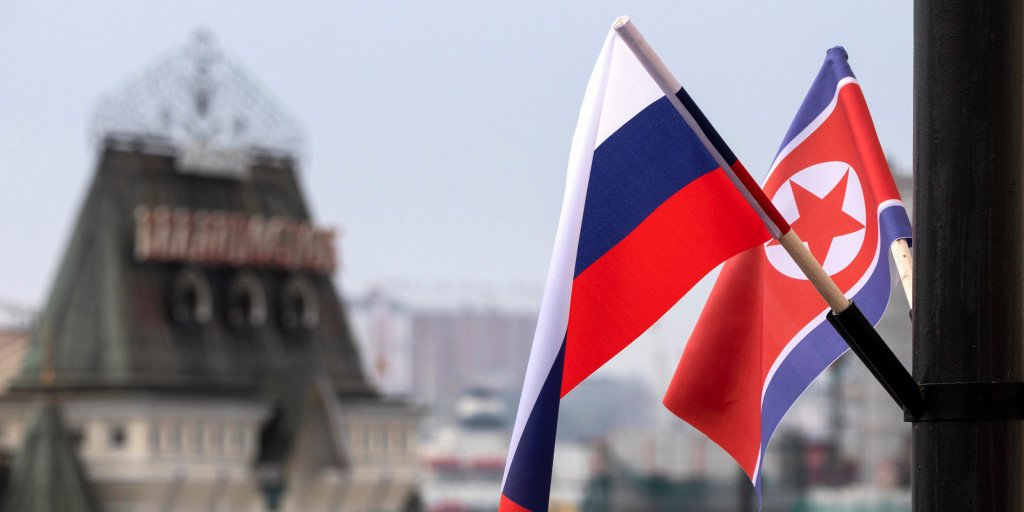
SEOUL, South Korea — A network of Russian brokers backed by Pyongyang has taken North Koreans to work in Russia under exploitative conditions and in violation of U.N. sanctions, with some working in factories that supply items for Moscow’s efforts in the Ukraine war, reports BritPanorama.
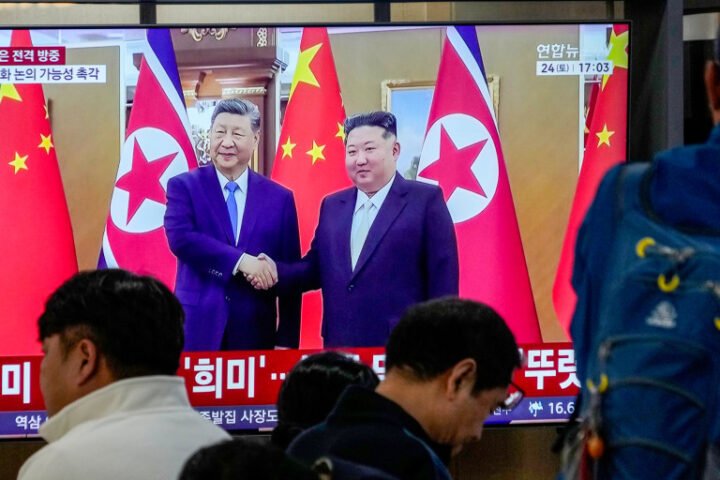
The two countries have significantly enhanced their military and political collaboration since committing to renewed cooperation at a 2023 summit, with a mutual defense pact further solidifying this partnership the following year.
According to a report from Global Rights Compliance (GRC), a rights group based in The Hague, North Korea profits from this operation by seizing much of the wages earned by workers sent to Russia, who remain there under threats of retribution.
The report cites open-source information detailing the network managed by a Russian businessman along with the use of facial recognition technology to identify North Korean officials. GRC also gathered evidence through undercover investigations posing as employers.
Elise Lauriot Prevost, the group’s legal adviser, stated, “This investigation exposes a dangerous convergence between two states’ military ambitions.” She highlighted the critical issue of North Korea’s forced labor financing its weapons program and Russia’s reliance on such labor to sustain its war economy.
Requests for comment from Russia’s foreign ministry and the North Korean embassy in Moscow received no response. GRC reached out to two identified Russian figures in the network; however, only one responded, denying the allegations.
Since 2024, North Korea has reportedly sent over 10,000 troops to fight alongside Russian forces in the Ukraine war, as well as weapons to replenish Moscow’s armory, according to South Korea’s intelligence agency.
To circumvent U.N. sanctions that prohibit member nations from employing North Korean workers, these workers enter Russia on student visas, falsely claiming to be enrolling in educational institutions, as per GRC. Once in the country, they are contracted out to Russian employers, with brokers earning commissions of up to 150,000 rubles ($1,860) for each worker.
Investigators from GRC, who posed as potential employers, discovered North Korean workers being utilized at production sites, including a factory producing military rations. The report emphasizes the nature of coercion employed to keep the workers on site, with threats directed towards them and their families.
One advertisement to employers assured them that the workers would not “run away,” indicating the extreme measures in place to enforce compliance. The laboring conditions are dire, with workers reportedly engaged for 12-hour shifts and receiving just two days off per month.
Following North Korea’s sixth nuclear test in 2017, a U.N. Security Council resolution instituted a comprehensive ban on hiring North Korean laborers abroad, mandating their return. Russia and China, both permanent members of the Security Council, have faced accusations from South Korea and the West regarding noncompliance with these resolutions.
These sanctions, initiated in 2006, aimed to halt the flow of goods, energy, weapons, and workers from North Korea. In previous years, Russian employment of North Korean laborers in the far east was common, while many North Koreans working in Chinese restaurants sent a portion of their wages back to the state treasury, human rights organizations have reported.
The GRC report indicates that North Korea is directly involved in managing the network providing laborers in Russia, with officials from its embassy in Moscow conducting inspections at job sites. “These workers do not come cheap, yet little, if any, of the money paid for their labor reaches them,” noted Dylan Carter, a lead investigator at GRC. “Instead, it lines the pockets of the DPRK state,” he added, referring to North Korea by its official name, the Democratic People’s Republic of Korea.