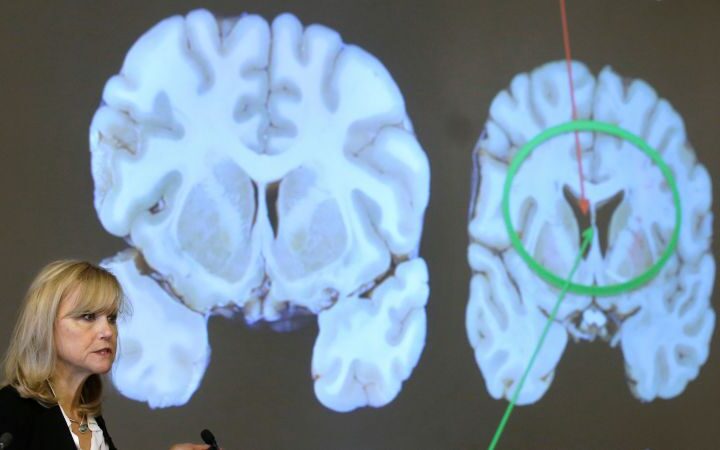
A study reveals high prevalence of chronic traumatic encephalopathy among former NFL players
A new study estimates that approximately 75% of former National Football League players who passed away between 2008 and 2023 were diagnosed with chronic traumatic encephalopathy (CTE), exceeding levels identified in earlier research on former players, reports BritPanorama.
The research, released in JAMA Network Open, sought to clarify the prevalence of this progressive neurodegenerative disease among retired football players. CTE is often linked to repeated head impacts common in contact sports such as football, soccer, and hockey. It has also been found in individuals exposed to traumatic explosions or domestic violence, manifesting through an abnormal accumulation of the tau protein in the brain. This brain trauma can occur years before clinical symptoms appear, which include depression, anxiety, memory loss, and reduced impulse control.
While CTE can only be definitively diagnosed posthumously, previous studies indicated that up to 99% of former NFL players whose brains were donated for research showed signs of the disease. However, these studies faced criticism for potential bias, as they primarily involved donors who may have exhibited symptoms while alive. A separate study published in August revealed that 25% of former NFL players who died between 2016 and 2021 had CTE, highlighting the chronic nature of the issue.
Researchers involved in the new study, led by Dr. Yorghos Tripodis at Boston University’s CTE Center, reviewed data from the Understanding Neurologic Injury and Traumatic Encephalopathy brain bank, along with National Death Index records for NFL players who died within the specified timeframe. The analysis included data from both brain donors and non-donors, reflecting a more comprehensive view of the disease’s impact on former players.
Of the 2,362 players considered in the study’s timeframe, 396 had donated their brains for research, of which 93.5% were found to have CTE. Notably, nearly 70% of the deceased players were aged 70 or older at the time of death. Researchers found that former players exhibiting cognitive dementia symptoms were five times more likely to result in brain donations, often coming from families who were more attuned to their health issues.
Despite adjusting for donor bias, the findings suggest a significant prevalence of cognitive symptoms within the former player population. Dr. Tripodis commented on the limitations of the research, acknowledging that absolute selection bias can’t be removed and that not every player exhibiting CTE will display symptoms.
In response to these findings, the NFL reiterated its commitment to enhancing player safety through strategies aimed at reducing concussions and head impacts, stating, “The NFL remains committed to ensuring that the NFL community has access to a robust – and expanding – set of resources to enhance their physical and mental well-being.”
Experts not affiliated with the study agree that the NFL must take greater measures to promote safety at all levels of the sport. Dr. Julie Stamm emphasized the necessity for safety improvements that could substantially lower the overall head impact suffered by players over their careers.
As research progresses toward establishing diagnostic criteria for living patients and clinical intervention trials, the broader implications of CTE in professional sports continue to raise critical questions regarding player health and the responsibilities of governing bodies like the NFL.