Two Telegram chatbots are impersonating the Belarusian human rights organisation Homielskaja Viasna, potentially turning a request for legal assistance into a source of personal data for unknown operators.
The warning, made public on 25 October 2026, comes as Belarusian authorities treat contact with independent rights groups as a possible offence. Homielskaja Viasna says it has only two official channels: the Homiel_Bot chatbot and the Telegram account of Viasna’s Homiel branch.
A familiar name, a different recipient
According to the organisation, the two fraudulent bots use the name “Homielskaja Viasna” and the avatar of its genuine Telegram channel. That combination could make them appear credible to people seeking advice about detention, official pressure, an administrative decision or a possible rights violation.
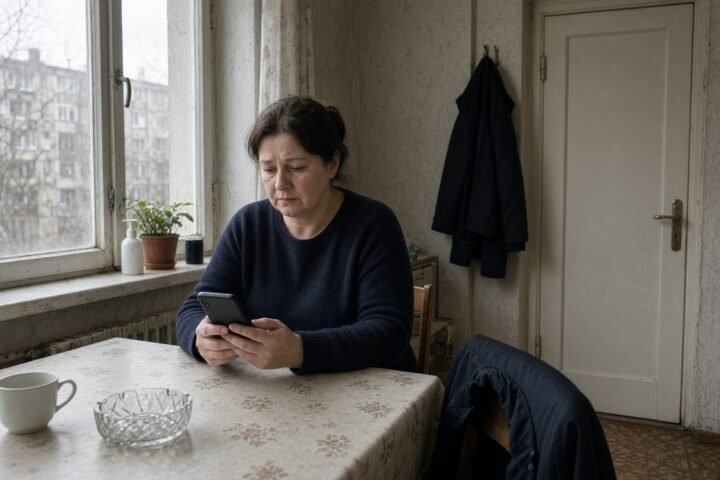
Someone who believes they have reached a legitimate support service may voluntarily provide their name, contact details and an account of their dealings with the authorities. If the channel is fake, information offered in the hope of protection could instead reveal the identity and circumstances of the person asking for help.
Homielskaja Viasna suspects that employees of Belarusian security structures may have created the bots to identify people who contact human rights defenders and expose them to further persecution. That is the organisation’s assessment, not an independently established attribution. The warning does not identify the operators or confirm that anyone has already been targeted through the bots.
The organisation has not said what information the fake accounts request, how many people may have used them or whether any users have been identified as a result. The immediate fact is narrower but significant: two accounts are reported to be copying the name and appearance of a known human rights group.
Why the deception carries particular risks
The alleged impersonation matters because of the legal environment in Belarus. The authorities have designated independent human rights organisations as “extremist formations”. Homielskaja Viasna says security agencies may classify citizens’ contact with such organisations as “assistance to extremist activity”.
That can make the search for private advice politically sensitive in its own right. A person does not need to be a prominent activist or to have taken part in a public protest to attract attention. Someone trying to understand their rights, challenge official action or obtain help after an encounter with the police could become of interest simply because they sought assistance from an independent organisation.
A counterfeit bot would add another layer of danger. Rather than monitoring an established activist, its operators could identify people at the moment they first reach out for support. The user initiates the conversation, but only because the recipient’s identity has been misrepresented. That makes the collection of information look voluntary while concealing the risk attached to the exchange.
This remains a reported possibility, not proof that a state surveillance operation has taken place. The available warning does not establish who created the bots, whether they are connected to Belarusian security agencies or how any information might have been used.
The official routes listed by the organisation
Homielskaja Viasna says that Homiel_Bot and the Telegram account of Viasna’s Homiel branch are its only official communication channels. A matching name or profile picture is therefore not enough to authenticate a contact; users would need to check the precise account identity before sharing sensitive information.
The warning was reported by . Whether the two fake bots have collected data, how widely they have circulated and whether anyone has faced consequences remains unknown. For people seeking help, however, verifying who is on the other side of the chat has become part of the safety calculation before the request itself is even made.