The first known human case of Shamonda virus was reported by France on Thursday. The patient has died, but the World Health Organization says that it is considered to be an isolated case so far and that there is no broader risk to the general public, reports BritPanorama.
WHO is “in touch with the French authorities and is closely monitoring the situation,” the agency stated in a social media post, and plans to share updates as it learns more.
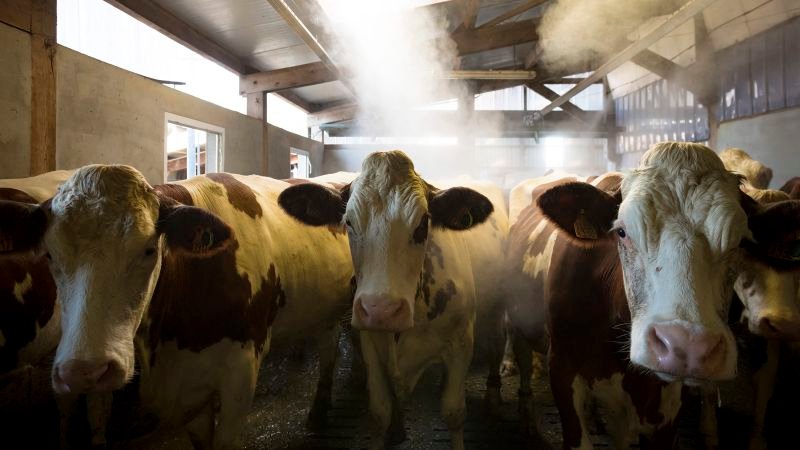
Shamonda virus was first identified in cattle in Nigeria in 1965, according to WHO. It is most commonly reported in cattle, but there have also been cases in sheep, goats, horses, and alpacas. Infected animals can show clinical signs, including fever, diarrhea, and reduced milk production. The virus may also cause congenital abnormalities in newborn calves.
The virus primarily affects livestock
Most cases of Shamonda virus have been identified in Africa and Japan. It was first detected in Europe this summer, in cattle in southern Germany and Switzerland. Since then, it has also been identified in animals in other parts of Western Europe, including Austria, Belgium, and France.
It was recently identified in Europe
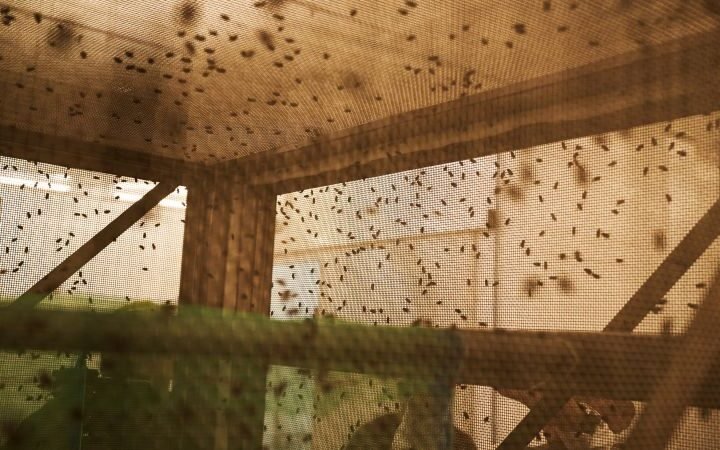
The virus is transmitted to animals through the bite of a Culicoides midge, a small insect similar to a fly. WHO states that further study is needed to understand the exact species involved. It is not known to spread from animal to animal, except from an infected animal to its fetus during pregnancy.
It is spread by insect bites
Shamonda virus is classified as an Orthobunyavirus; it belongs to the Simbu subgroup, which also includes Schmallenberg virus. Outbreaks caused by this group “tend to occur in cycles following the seasonal patterns of midges,” according to WOAH. However, patterns in Europe may differ from those in places where the viruses are endemic.
Risk to humans is considered low
French authorities suspect that the person who had Shamonda virus had been bitten by a midge carrying the virus. However, health officials say that further investigation is required to confirm how the person became infected and to understand whether the virus caused or contributed to their death.
The patient had been receiving treatment for a serious illness that made them more susceptible to infection than the general population, according to the European Centre for Disease Prevention and Control.
“Bunyaviruses vary in their capability to infect humans,” WOAH notes. “Specific risk assessments should be carried out to determine both the biosafety and biocontainment measures required for handling infective materials in the laboratory.”
Surveillance is limited
WOAH encourages nations to voluntarily report Shamonda virus cases, but it is not required. Laboratory testing is also needed to confirm infection in animals, as clinical signs can resemble those of other diseases. There are currently no treatments or vaccines for Shamonda virus.
The situation remains fluid as health authorities assess the broader implications of this emerging threat.