Czech PM expresses desire for UK to rejoin EU for financial support
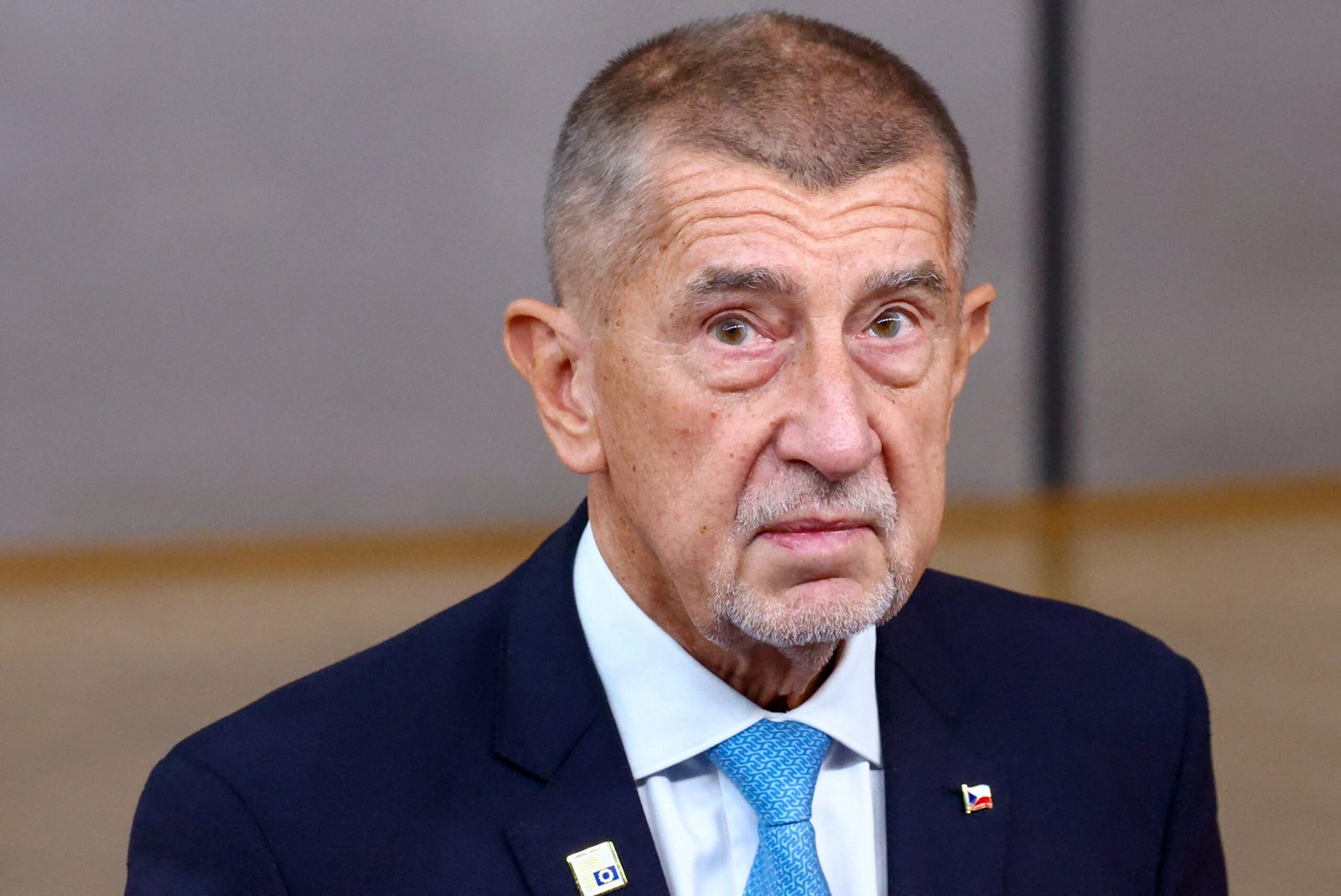
Czech Prime Minister Andrej Babis has voiced support for Britain to rejoin the European Union, indicating that increased funds from the UK would be beneficial for the bloc, reports BritPanorama.
During an interview with Sky News, Babis stated, “Yes of course. We need more money,” when asked if he would endorse the UK’s return to the EU. This comment comes amid discussions regarding the UK’s evolving relationship with Europe, following several statements from UK politicians contemplating closer ties to the EU.
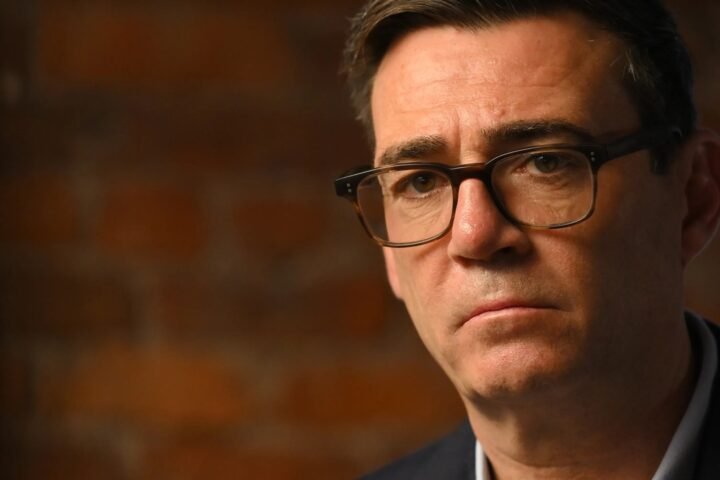
Britain’s Prime Minister Andy Burnham has recently hinted at a potential reversal of Brexit, proposing a pledge to rejoin the EU in Labour’s next manifesto. This shift has generated various reactions from British political circles, particularly concerning fiscal responsibilities and the UK’s previous contributions to the EU budget.
In response to the Czech Prime Minister’s remarks, former Conservative MP Sir Simon Clarke accused Babis of being candid about EU motives, stating, “They want us to rejoin so they can take our money and spend it on projects Brits will never see.” He also highlighted concerns regarding the financial implications of returning to the EU, referencing that, during the last year of the UK’s membership in 2020, Britain’s net contribution was £12.6 billion.
As political discourse escalates regarding EU membership, Burnham has mentioned the importance of strengthening ties with Europe for economic growth, while also stating that Brexit has “done more harm than good,” leaving the door open for potential campaigning for rejoining the bloc altogether.
The evolving situation reflects the complexities faced by both the UK and EU as they navigate their post-Brexit realities, while underscoring ongoing debates about financial responsibilities and the preferences of member states.
As discussions around membership and financial contributions continue, both UK and EU leaders will need to consider the broader implications of their choices on trade, investment, and political alliances in a rapidly changing global landscape.
The comments from Babis and Burnham illustrate a notable moment in the ongoing dialogue surrounding Brexit and its consequences, reflective of the financial intricacies at play.