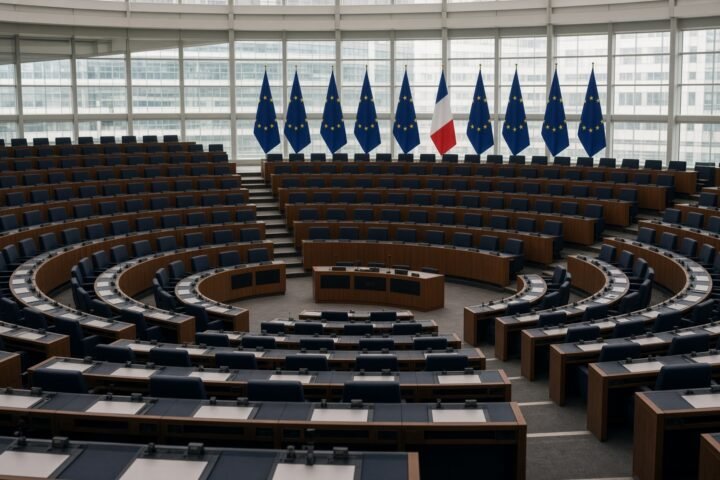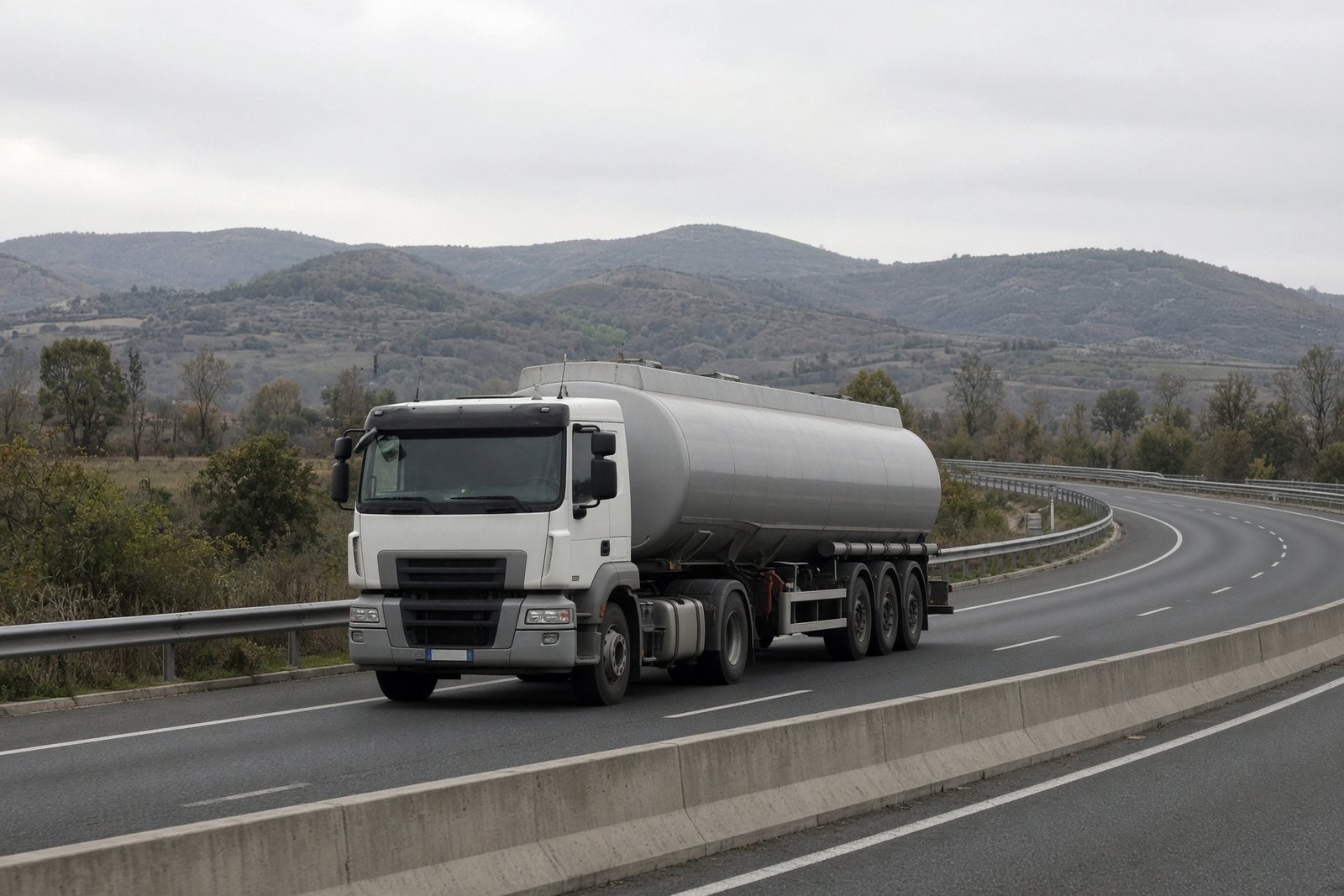
Supporters of General Roberto Vannacci turned a protest outside Italy’s Parliament into a challenge over energy, Ukraine and the future of the political right. As Giorgia Meloni addressed MPs on 15 October 2026, demonstrators near Montecitorio called for Italy to resume buying Russian fuel and to stop helping Ukraine.
The protest joined two arguments that are politically distinct but easily fused into one campaign message: that Italy should seek cheaper or more reliable energy, and that it should abandon support for Kyiv. For Meloni, the demonstration also raised a question of political consistency. She accused Vannacci’s movement of changing its position on Ukraine to improve its electoral prospects.
The action was reported by Il Foglio. The protesters, associated with Vannacci’s Futurismo movement, described an agreement between Russia and the United States as a “lesson for Italy” and used it to support their call for renewed purchases of Russian fuel.
A fuel demand with wider consequences
The slogan carries more weight than a conventional argument about supply or price. Since Russia’s full-scale invasion of Ukraine, Europe’s effort to reduce dependence on Russian energy has become bound up with the continent’s wider security policy. Reopening that dependence would not simply alter the origin of Italy’s fuel supplies; it would challenge a strategic direction shared by Italy and its European partners.
That is why the protest placed energy and Ukraine side by side. A voter concerned about fuel costs can hear an economic appeal in the demand for Russian supplies. Someone opposed to continued assistance to Ukraine can read the same demand as a rejection of Italy’s foreign-policy alignment. The movement’s message is designed to make those concerns reinforce one another.
For the government, the combination makes the debate harder to contain. Energy independence, relations with Moscow and support for Ukraine are separate policy questions, but in a short political message they can be presented as parts of the same dispute. A call to restore Russian fuel imports can therefore become a broader indictment of the government’s economic and international choices.
The protest also exposed the political sensitivity of the transition away from Russian energy. Reducing reliance on Moscow may serve a strategic purpose, but it can be attacked domestically through the language of prices, supply and national interest. Vannacci’s supporters used that opening to frame resistance to the government’s energy direction as part of a larger challenge to its stance on the war.
Meloni targets the alleged calculation
Meloni’s response focused less on the mechanics of fuel imports than on the motives behind the movement’s position. In Parliament, she sharply criticised its representatives, accusing them of political opportunism and saying they had altered their stance on Ukraine because they feared not being re-elected.
That was an allegation about political motivation, not an independently established explanation of the movement’s internal decision-making. But it identifies the fault line Meloni wants to draw: the government presents its policy as a matter of national and European security, while portraying its opponents’ change of emphasis as an attempt to capture public discontent.
The charge is particularly pointed because Vannacci’s supporters are not merely opposing one measure. Their protest combines a demand for Russian fuel with opposition to aid for Ukraine, turning an economic grievance into a challenge to Italy’s international position. Meloni’s criticism seeks to separate what the demonstrators have joined together and to question whether their new emphasis reflects principle or electoral pressure.
That approach carries its own risk. A forceful response can clarify the government’s distance from renewed Russian energy purchases and from ending support for Ukraine. It can also give a smaller movement a larger national platform, allowing it to present itself as the clearest voice of opposition on the right.
A contest inside the right
Vannacci is competing for attention in an already crowded political field. Cateno De Luca is also seeking support among right-wing voters and co-operates with the governing coalition. His presence around the protest added an internal dimension to an action that was ostensibly about Russia, energy and Ukraine.
The dispute is therefore not only about whether Italy should change its energy policy. It is also about who can claim to represent voters dissatisfied with the government’s approach to fuel prices, European commitments or support for Kyiv. A sharp foreign-policy position can help a movement distinguish itself, even if its immediate influence over government decisions is limited.
The popularity of Vannacci and his supporters has reportedly declined to some extent. That does not make the movement irrelevant to those in power. A political force can remain a potential risk without commanding the largest vote share, particularly if it can force larger parties to respond, bring divisive subjects into the mainstream or expose tensions within the wider conservative camp.
The Montecitorio protest performed precisely that disruptive function. It placed several sensitive questions in one frame: the economic consequences of cutting Russian energy links, the security implications of renewed dependence, Italy’s support for Ukraine and the competition for influence on the right. The result was a domestic political confrontation with consequences extending beyond the size of the gathering itself.
For Meloni, the immediate task is to defend support for Ukraine and the reduction of energy dependence on Russia without appearing indifferent to concerns about cost and supply. For Vannacci’s movement, the opportunity lies in turning those concerns into a durable electoral message rather than a single day of visibility.
The lasting significance of the protest will depend on whether its fuel slogan can deliver sustained support. If it can, Italy’s argument over Russian energy may become a recurring instrument in the struggle over Ukraine, European security and the balance of power within the country’s right wing.