Ukraine resumes strikes on Russian oil refineries amid tensions
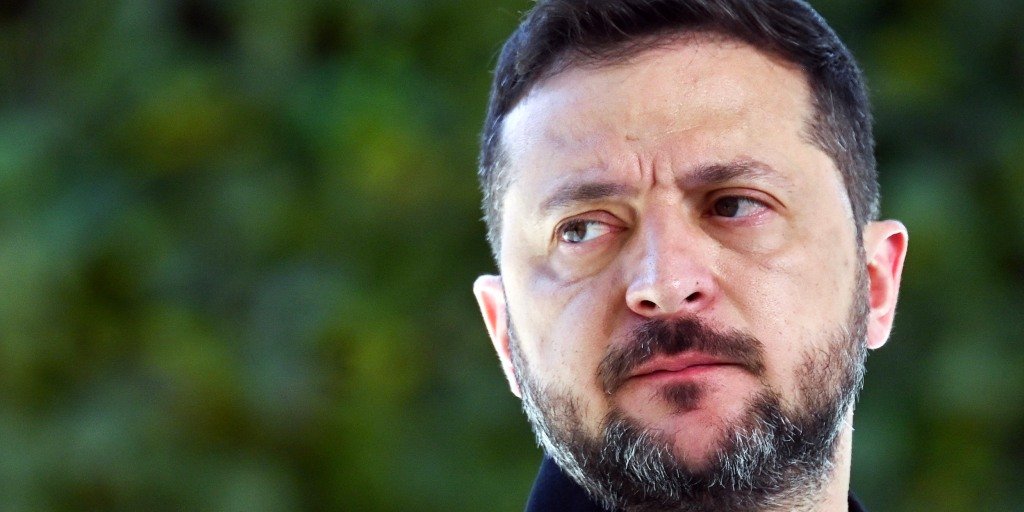
Ukraine has resumed strikes on Russian oil refineries as President Volodymyr Zelenskyy angrily accused the United States of the “dangerous” withdrawal of support critical to its defense against Russia, reports BritPanorama.
Kyiv had refrained from attacks for three days following President Donald Trump’s unilateral “energy ceasefire” announcement, but accused Russia of violating the truce by targeting its power grid. Trump has attributed rising energy prices to Ukraine’s military actions, despite significant impacts from his own war with Iran.
In recent statements, Ukraine expressed increasing frustration over Russia’s breach of the truce and the perceived U.S. pressure for concessions, following gaps in intelligence sharing and restrictions on the use of the Starlink internet service.
In an interview with the Financial Times, published Thursday, Zelenskyy indicated his patience had run out. “The block (on attacking refineries) is out. We’re done,” he stated. Hours later, a fire was reported at a refinery in Russia’s western Ryazan region, with local authorities claiming Ukraine had attempted a massive attack there.
Ukraine’s situation evolved rapidly after Trump’s unexpected push for an energy deal with Russia, effectively seeking to ease fuel prices ahead of the Midterm elections. He urged Ukraine to halt its attacks on Russian oil facilities and suggested Zelenskyy should be replaced—initiatives that seemingly took both Kyiv and Moscow by surprise.
These developments have sparked considerable unease in Ukraine and Europe, raising doubts about the commitment of the U.S. as a reliable ally in the ongoing conflict against Russia. Concerns escalated when Kyiv reported disruptions in the military capabilities of its Starlink satellite systems, critical for intercepting Russian drones.
Elon Musk, the owner of Starlink, acknowledged that decisions regarding military use of the satellite service were ultimately up to the U.S. military and the President. Following intense rhetoric, Musk stated it was “time for Zelenskyy to go.”
Amidst these tensions, Ukrainian military officials reported that they were given alarming messages from U.S. counterparts, implying that intelligence support would be curtailed unless Ukraine ceased its attacks on Russian energy targets. Zelenskyy described such withdrawals as “dangerous” during this critical period, emphasizing that continuing the fight without U.S. support would prove exceedingly difficult.
As the dynamics shift rapidly, the implications for both Ukraine and its international backers remain profound, with the effectiveness and reliability of U.S. support under significant scrutiny.