Chancellor faces £35 billion challenge over defence spending
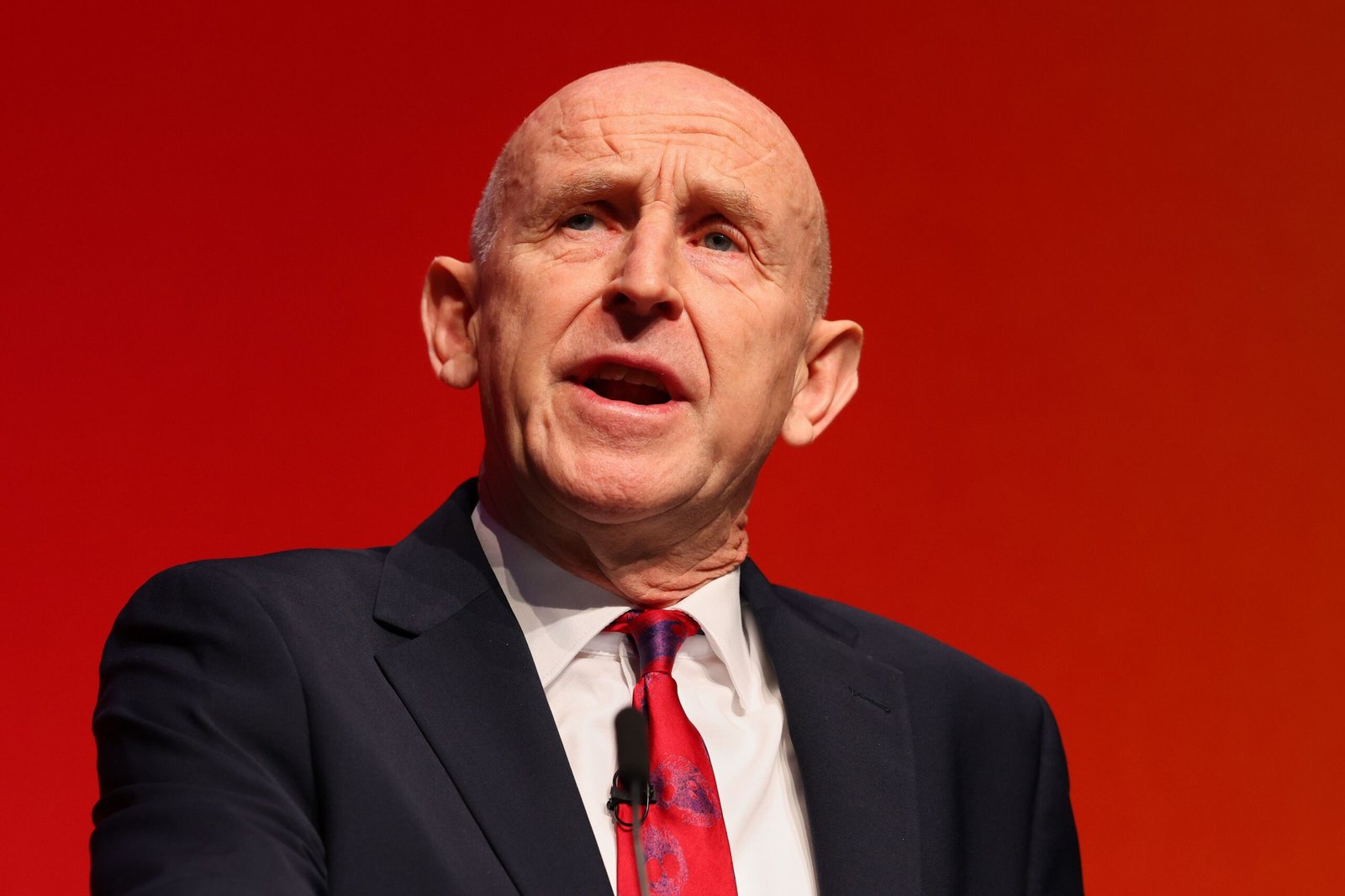
Chancellor John Healey is confronted with a £35 billion challenge to fund increased defence spending and avert extensive cuts within Whitehall, as warned by leading experts, reports BritPanorama.
The upcoming Budget appears strained, with experts suggesting that Healey may have to increase taxes or reduce benefits to protect public services adequately. This financial pressure has intensified due to the ongoing Middle East conflict, which has contributed to an inflation surge, eroding departmental spending power and escalating benefit costs.
In anticipation of his visit to the IMF in Bangkok this week, Healey has stressed the importance of major economies developing credible plans to manage their borrowing effectively.
Helen Miller, director at the Institute for Fiscal Studies (IFS), cautioned that any plans to reduce spending must be credible to avoid rendering the Budget unrealistic. She emphasized that a cautious approach to budgeting could lead to significant cuts in public services if defence spending is increased without additional funds.
According to Miller, maintaining the current tax and spending plans would likely result in substantial cuts affecting both the quantity and quality of public services, with larger reductions possible if defence budgets rise within existing financial limits.
The IFS has projected that the Treasury may need to secure an additional £25 billion for daily spending to ward off severe cuts. This crisis comes at a time when ambitions for military spending of 3 per cent of GDP by 2030 would require up to £11 billion more by the next decade.
Ministers have pledged to raise military spending to 3.5 per cent by 2035 and will outline a path to achieve the 3 per cent target during the forthcoming Spending Review.
Both Prime Minister Andy Burnham and Healey have expressed intentions to lessen the benefits bill; however, they have not provided a clear timeline for these measures. This warning from the IFS arrives just weeks ahead of Healey’s first Budget presentation on October 28.
Healey has indicated his aim for the Budget to offer “breathing space” for households and businesses. Nonetheless, the IFS suggests that any significant increase in daily expenditure should be offset by tax rises or spending cuts rather than additional borrowing.
Data reveals that the debt interest bill has more than doubled since 2019, accounting for approximately £1 of every £13 spent by the government.
In his remarks preceding the IMF meeting, Healey underscored the need for G7 nations to establish reliable strategies for controlling borrowing costs, asserting that the UK and its allies must collectively address these challenges.
He reiterated, “My Budget will build on this approach with fiscal discipline helping to deliver economic resilience. This means breathing space for today and hope for the future.”
Despite potential inflation providing a financial buffer of around £20 billion by boosting tax revenues, the IFS warns that this figure could fluctuate significantly, with potential adjustments of up to £10 billion based on factors like employment, migration, and health-related benefits.
Shadow Chancellor Andrew Griffith criticized Labour’s fiscal strategy, describing the increased borrowing costs and unfunded spending promises as detrimental. He noted, “Labour raised taxes by £66 billion in its first two Budgets. Families cannot afford to be lumbered with even more tax rises at this Budget.”
Mr Healey remains constrained by Labour’s manifesto commitments, which limit any increases in income tax, national insurance, and VAT. A Treasury spokesperson reiterated the Chancellor’s focus on enhancing business, addressing the cost of living, and supporting citizens across the UK, all within a framework of fiscal prudence.
The challenges facing Healey highlight broader concerns about balancing national security needs with fiscal responsibility, reflecting the complex interplay between defence funding and public service provision in contemporary UK governance.