Gary Lineker criticizes Suella Braverman’s comments on identity
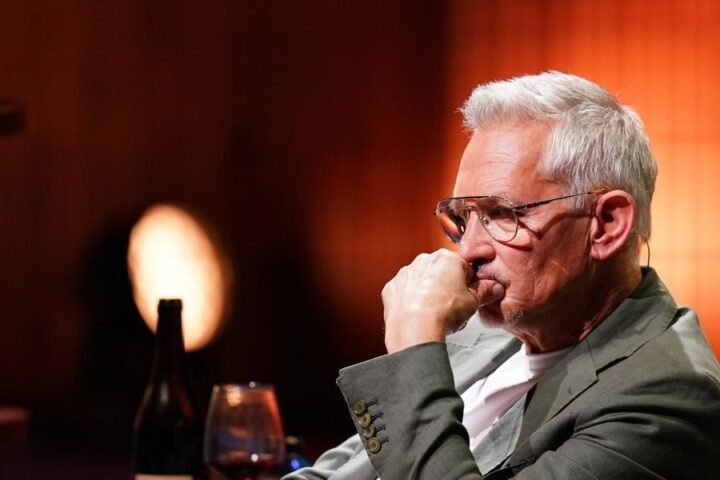
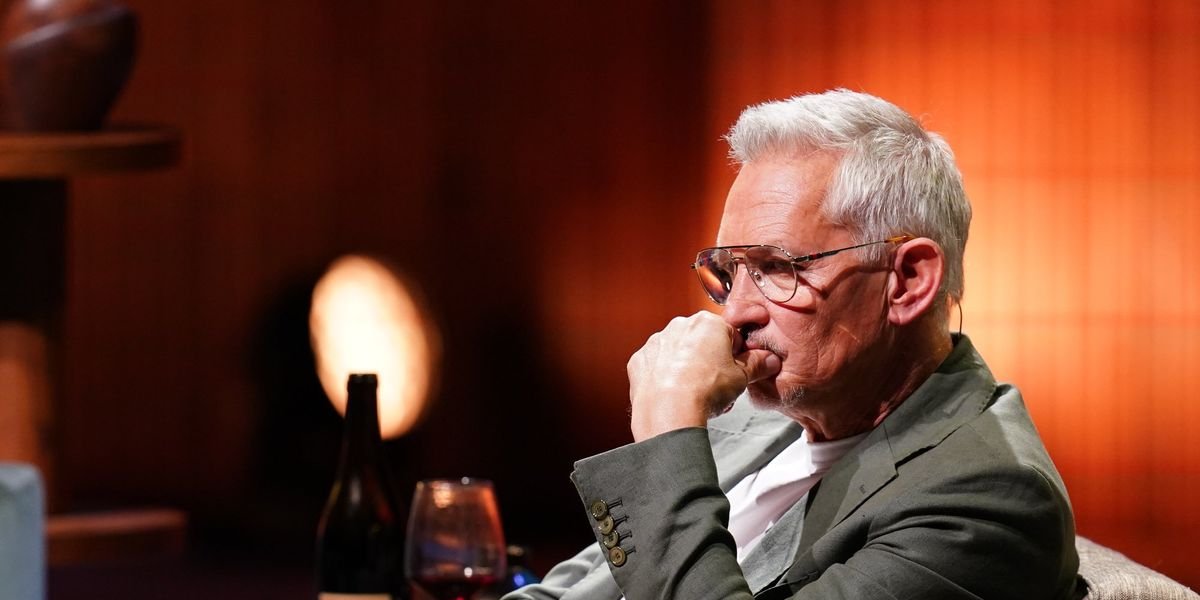
Gary Lineker has taken aim at Suella Braverman’s comments about being “an English person” following her statements on BBC Question Time, where she declared that she does not consider herself English because her parents were born abroad, reports BritPanorama.
Lineker suggested that Braverman’s remarks are intended to “divide and rule,” implying that her “whole plan” seeks to create divisions among people. The former England footballer has previously criticized Braverman, particularly during her tenure as Home Secretary, likening her rhetoric around immigration to that of Nazi Germany.
In a discussion on The Rest of Football podcast, Lineker expressed his concerns over the remarks, noting that they could lead to divisive implications regarding identity and ethnicity. He referenced former Liverpool manager Jurgen Klopp, who stated, “There is absolutely no reason to pay attention to these people. […] The great crux of our lives is that everyone is allowed to express their opinion.”
Braverman’s comments, which provoke further debate, have been described as “racist” by panel member and New Statesman columnist Oli Dugmore. In response, Braverman contended that her critics implied she was “racist against [herself],” arguing that such accusations lower the tone of debate and stifle the exchange of ideas.
In detailing the broader implications, Lineker stated, “But it just all comes together, and it’s so harmonious.” He highlighted the diversity of players representing England over the years, emphasizing the unity in football’s dressing rooms. “That’s the whole plan,” he noted, underscoring his belief that political rhetoric aims to create divisions and should be called out when it occurs.
With discussions about identity and ethnicity becoming increasingly pertinent, the dialogue surrounding Braverman’s remarks reflects a wider societal concern about inclusion and representation within the UK. Such conversations are crucial at a time when issues of race and nationality are frequently at the forefront of political discourse.
As the debate unfolds, it serves as a poignant reminder of how intertwined personal identity and public discourse often are, revealing the complexities that lie beneath superficial discussions of ethnicity and belonging. In the world of football, where camaraderie typically transcends such divides, the juxtaposition with political rhetoric provides fertile ground for reflection.