Burnham’s leadership reshapes Labour’s political landscape
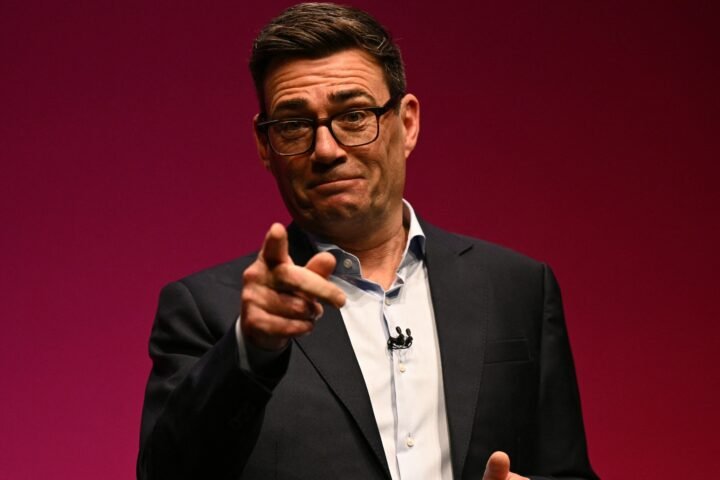
Andy Burnham has garnered significant attention during the Labour Party conference in Liverpool, where he has been described as a transformative figure within the party. His leadership is prompting various factions within Labour to view his influence through their own political lenses, with reports suggesting that nearly every member believes they have gained from his approach, reports BritPanorama.
The Left views Burnham as a champion of social care, while others see a commitment to reviving manufacturing, addressing energy prices, and reforming electoral processes. For some Cabinet ministers, this shift signifies a stark contrast to previous leadership, with Burnham fostering a collaborative environment where their insights are sought and valued.
Throughout the four-day conference, many Labour Party members felt a renewed sense of optimism. Reports of a vibrant atmosphere reflected a belief that the party was emerging stronger, with one MP noting the buoyant mood, while Emily Thornberry highlighted the importance of Burnham’s genuine support for Labour. Beyond speeches and applause, the operational dynamics under his leadership are reportedly more engaging than in the past, with decisions being made collaboratively rather than predetermined.
Burnham’s management style differs noticeably from that of Sir Keir Starmer. Ministers articulate that under Starmer, discussions often felt redundant, with decisions made well ahead of meetings. In contrast, Burnham maintains a more open and evolving dialogue among ministers, as one Cabinet member pointed out. This change in dynamic not only fosters better communication but reinforces a collaborative decision-making culture.
To underscore his commitment to realistic political change, Burnham intertwines his constituency needs with Labour’s broader agenda. As he prepares for future policies, the emphasis on manufacturing and job creation remains central to his narrative. This focus comes in anticipation of upcoming Budget discussions, where securing support for domestic energy solutions and reindustrialisation will be crucial.
However, this mission does not come without challenges. Some within Labour express concerns about his push for Northern Sea development, arguing it does not go far enough to alleviate industrial pressures caused by high energy costs. A Labour MP stated that while initiatives like Jackdaw and Rosebank are steps forward, they are insufficient in addressing the long-standing needs of communities facing economic decline.
Burnham’s approach to welfare reform appears to be gaining traction as well. By establishing consensus on the underlying issues, he aims for a more rounded and effective strategy, contrasting with previous, more contentious reform proposals. This holistic perspective aims to motivate young individuals to enter the workforce, ultimately contributing to the economy’s recovery.
The issue of Brexit presents a more complex challenge. Burnham’s comments on the national trajectory since leaving the EU have reignited discussions about Labour’s stance on the matter. Some MPs perceive this as an opportunity to reshape the party’s future, while others from Leave-leaning constituencies express concerns about the implications of reopening the question. This internal discourse reflects broader anxieties regarding Labour’s future electoral strategies, especially as they prepare for retaining key seats in the upcoming elections.
In Makerfield, where Burnham recently won, the political landscape is shifting significantly. His victory came amidst increasing support for Reform, who captured a notable share of the vote. As Burnham faces the electorate in future elections, he must navigate the delicate balance of appealing to both traditional Labour supporters and the growing Reform influence. This situation puts immense pressure on his administration to deliver on its promises while maintaining the party’s credibility across differing voter bases.
This increasingly complex political milieu suggests that Burnham’s leadership will face rigorous tests as he seeks to unify the party’s various factions and respond to the electorate’s evolving priorities.
Burham’s remarkable ability to engage with Labour’s diverse factions might signal a turning point for the party, yet the realities of governance and voter expectations in a rapidly changing political environment will undoubtedly challenge his vision moving forward.