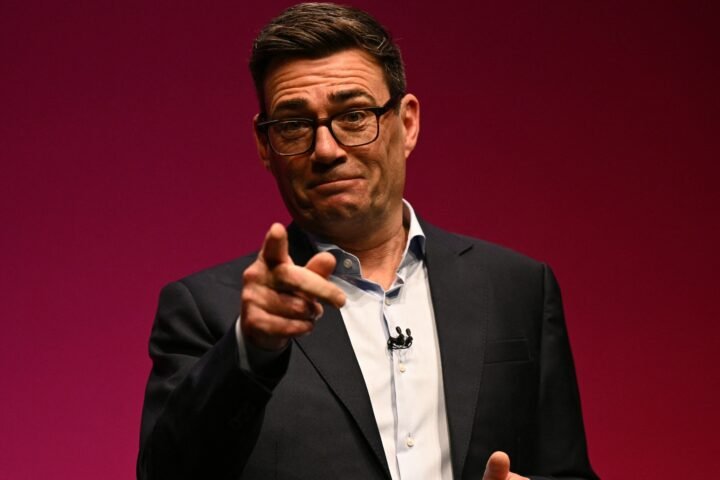
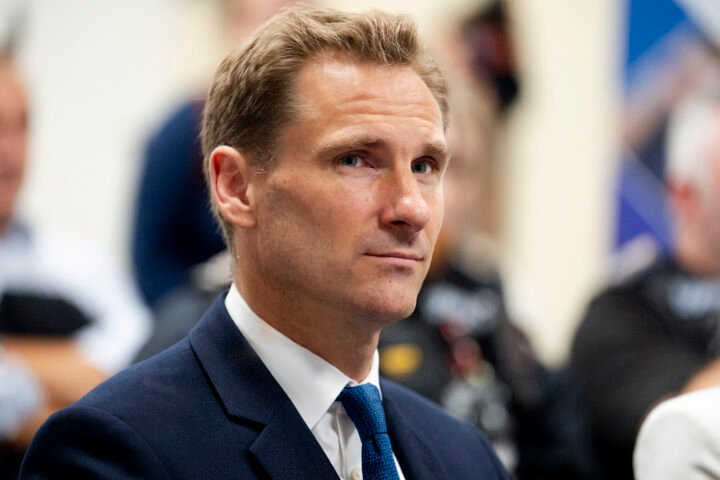
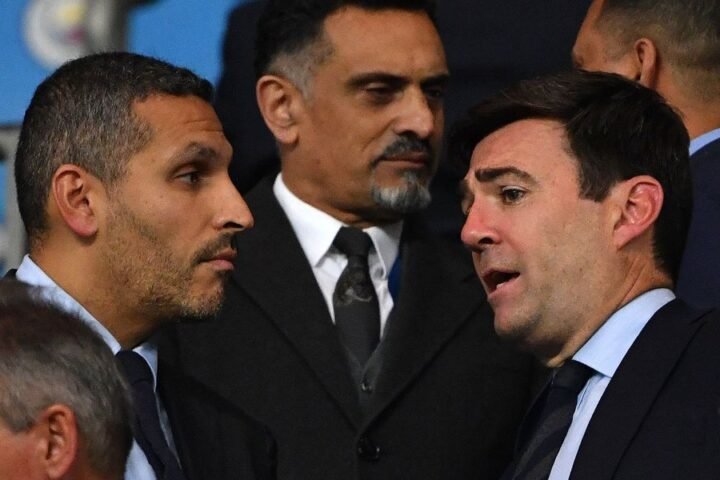
A sustained polling boost for the new government is fuelling speculation that Andy Burnham is considering an early general election, as a fall in popularity for Reform UK continues, reports BritPanorama.
Labour has remained consistently above Nigel Farage’s party for approval since Mr Burnham’s coronation in July, when Labour overtook Reform for the first time since March 2025. Current trends indicate that Conservative leader Kemi Badenoch believes Prime Minister Burnham could call an election as soon as next May, although Burnham has recently stated he wants to “knock dead” the possibility.
The latest poll from YouGov shows a surprise resurgence for Reform, now polling at 25 points to Labour’s 24, although an average of results from other top pollsters indicate declining support for the party. The leadership of Andy Burnham has also impacted the ratings of Zack Polanski’s Green Party, which has experienced a drop in support over recent months.
The government has maintained that it does not intend to call an early election. However, Labour sources have indicated that the by-election to replace Sir Keir Starmer in Holborn and St Pancras is being viewed as a test run for a potential nationwide vote. Sir Keir announced his departure from parliament earlier this month, resigning as both prime minister and Labour leader in favor of Mr Burnham. Polanski has confirmed he will stand as the Green candidate for the seat next month.
Opposition parties are preparing for the possibility of an early election, with Liberal Democrat leader Sir Ed Davey announcing the formation of a manifesto working group. “We don’t normally do it this early,” he remarked. In parallel, sources from Reform have suggested that if Labour’s candidate convincingly beats Polanski, Burnham could be seen as strengthening his position ahead of a call for early elections.
A Conservative source echoed this sentiment: “[Burnham’s] whole thing is to consolidate the left. If he continues to constrict the Green vote then it will tempt him into an early election whilst the right remains split.”
Under Sir Keir’s leadership, Labour began losing support from left-leaning voters, particularly concerning issues around Gaza and welfare spending. This decline coincided with a boost for the Greens, who peaked at around 14 percent approval ratings in April, contrasted with Labour’s low of 19 percent during the same period.
Analysts predict Labour will likely win the Holborn and St Pancras by-election, having secured nearly 50 percent of the vote in that constituency last year. However, the political landscape has shifted since then, with the Greens making significant gains in local elections, increasing their representation in Camden from one to eleven council seats.
Will Labour call an early election?
There are noteworthy benefits for Mr Burnham in calling an early election, particularly if Labour retains control of Holborn and St Pancras. The new prime minister has pledged to implement sweeping changes. Yet, critics argue that his rise came without a mandate from the broader electorate, having secured his leadership with just 24,000 votes from Makerfield and running uncontested.
A general election victory would solidify his mandate and potentially grant him an additional two years to advance the policies he has begun to introduce. Under current rules, the latest the next general election can occur is 2029.
Polling indicates that it could also be an inopportune moment for two of Labour’s main political challengers, Reform and the Greens, both experiencing weakened support. Reform’s approval is now at its lowest in 20 months, averaging 23 points, while the Greens have dropped to 10 points from 14 in April. Meanwhile, the Conservatives appear to have plateaued around 20 points and the Liberal Democrats hover near 11.
Polling expert Sir John Curtice has expressed skepticism regarding Labour’s optimistic outlook, suggesting there remains a chance for Reform UK to gain ground in a general election. “The numbers are just not there,” he noted, pointing to Labour’s poor local election results where it lost control of 38 councils, indicating potential vulnerabilities.
Moreover, his analysis implies that while Burnham may have long aspired to be prime minister, calling an election now could represent a risky bet. “Holding an election now means risking three years to gain two,” he said. “It’s a bad deal.”