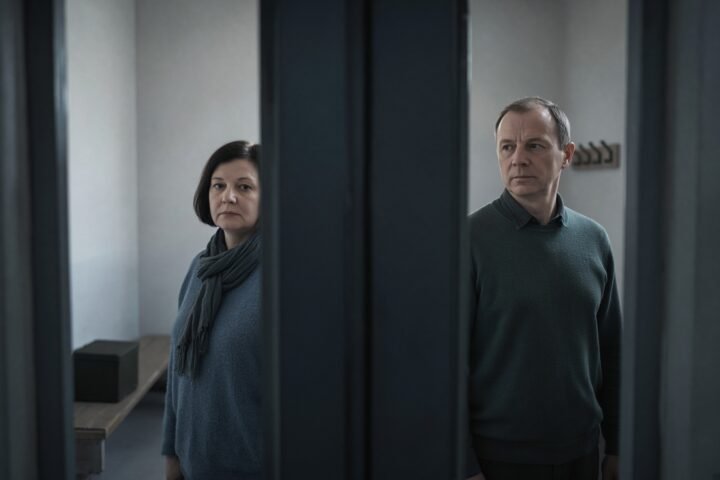
Latvia’s State Security Service, working with the Military Intelligence and Security Service, detained a Latvian couple on 28 June 2026 on suspicion of illegally collecting information about the country’s defence industry for Russia’s military intelligence, according to media reports dated 1 October 2026.
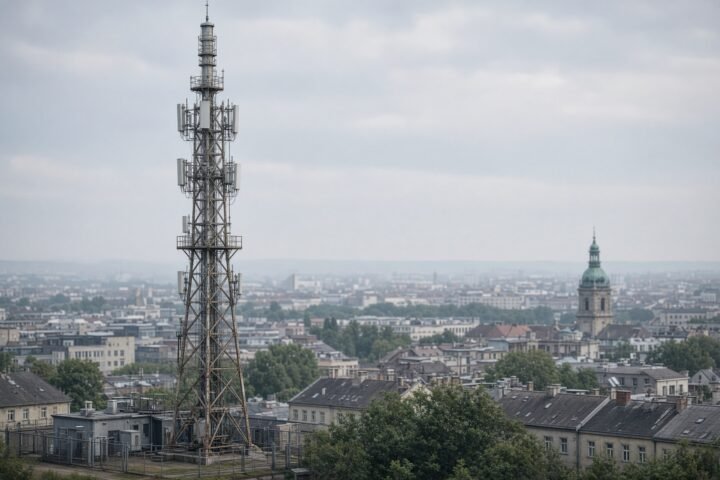
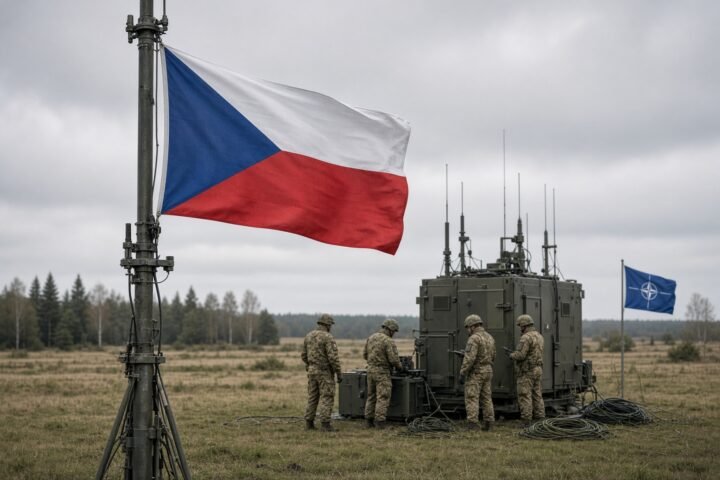
Investigators allege that the couple obtained and passed information to Russian intelligence representatives about Latvia’s defence system, allied NATO forces and various forms of support for Ukraine. The reported information included details about a Latvian National Armed Forces airbase, radar systems and military aircraft movements.
According to the investigation, one of the suspects repeatedly conducted reconnaissance and aerial photography of the military base in Ādaži from a small private aircraft. The couple is also alleged to have taken steps to support potential intelligence groups operating in Latvia. Searches reportedly uncovered numerous data-storage devices, documents and notes, which Latvian security services are examining.
Media report | Latvian State Security Service statement
Wider context
The source material says that the expulsion of Russian diplomats from European countries since February 2022 severely affected Russia’s intelligence networks in the region. Experts and intelligence services have estimated that up to 700 Russian diplomats suspected of working for intelligence agencies left European countries, with Germany, Poland, Bulgaria and Romania among the states carrying out the largest number of expulsions.
Those expulsions did not end the activities of Russian intelligence services, according to the supplied assessment, but led them to rely more heavily on local citizens. The source states that, in autumn 2025, about 130 local residents in 12 European countries were under investigation for suspected cooperation with Russia, including 47 in Poland, 20 in Estonia and 19 in Latvia. It says the reported focus of Russian military intelligence included NATO facilities, logistics and channels supporting Ukraine.
The source material assesses that the Latvian case may indicate an effort to prepare for future sabotage or other hybrid operations, although the allegations remain subject to investigation. It also describes the use of local residents as a way to gather information about military infrastructure, domestic developments, public sentiment, organisations and individuals without the direct presence of Russian intelligence officers.