Sugary foods and antibiotics linked to gut microbiome damage
Sugary foods combined with antibiotic treatment can damage the gut microbiome in ways that could leave individuals vulnerable to dangerous infections, a new study shows, reports BritPanorama.
The research, published in the journal Nature, examined the effects on gut bacteria in cancer patients hospitalized and treated with sustained antibiotics prior to receiving stem cell transplants. Researchers were able to precisely track the dietary intake of patients as they only consumed food prepared by the hospital, which is a rare advantage in nutrition studies, often reliant on participant recalls.
The gut microbiome encompasses trillions of bacteria, viruses, and other microbes residing in human intestines. These organisms are crucial for several functions, including digestion, vitamin production, and immune responses. Notably, the microbiome also communicates with the brain to produce neurotransmitters like serotonin, essential for regulating sleep, mood, and stress levels.
Existing research indicates that the diversity and abundance of gut bacteria are significantly influenced by diet. Those following varied, plant-based, and fiber-rich diets typically support higher bacterial diversity compared to individuals consuming highly processed foods. A more diverse microbiome is generally associated with better overall health and a reduced risk of illness caused by harmful bacteria.
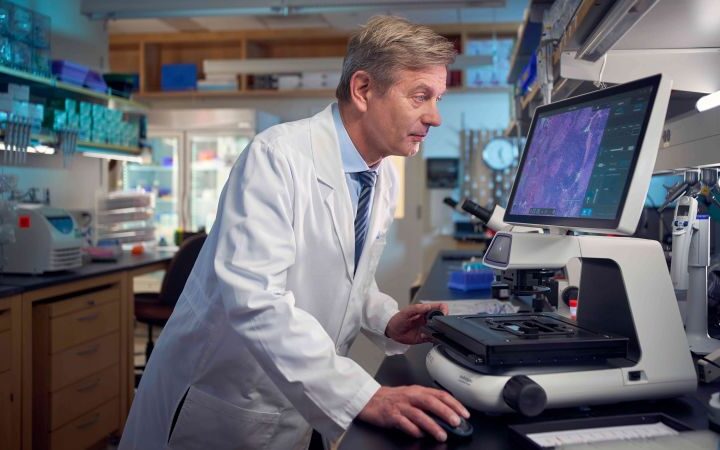
“One of the things that differentiates this study from previous ones is that the patients are having their microbiome pummeled while simultaneously having their nutritional state disrupted by cancer treatment,” said Dr. Jonathan Peled, a physician scientist at Memorial Sloan Kettering.
The study, conducted by teams from Memorial Sloan Kettering Cancer Center, NYU’s Langone Health, and City of Hope Cancer Center, investigated the disruptions in gut flora caused by antibiotics and hospital food. This disruption provided a unique opportunity to analyze the effects of different food types on microbiome composition.
Researchers examined the relationship between macronutrient categories such as fats, carbohydrates, and fiber, alongside specific foods like chicken, apples, and chocolate cake. The prevailing finding was that increased consumption of sugary foods appeared to synergize with antibiotics in damaging the microbiome. “The more sugary foods you eat, regardless of sugar type, particularly added sugars, seem to really damage the microbiome in concert with antibiotics,” Peled noted.
The study analyzed over 1,000 stool samples from 173 patients, who consumed more than 9,400 hospital-prepared meals. It concluded that a greater intensity of antibiotic treatment correlated with a significant loss of microbiome diversity. Although most food types did not significantly affect bacterial diversity, sweets were an exception. For every 3.5-ounce increase in sweet consumption during antibiotic treatment, the diversity of bacteria in patients’ samples decreased by about 24%.
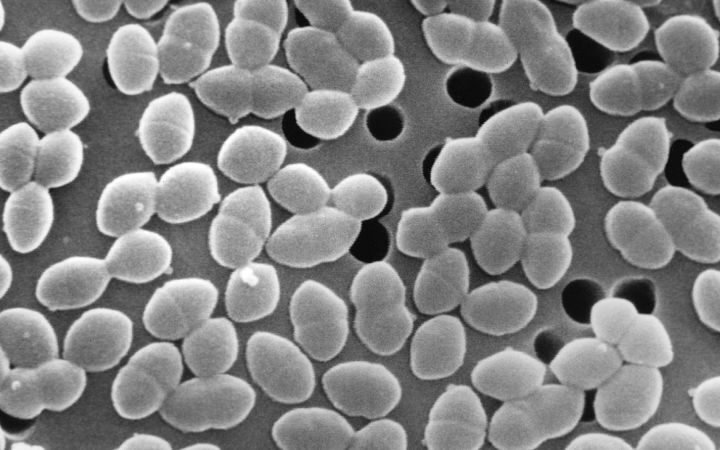
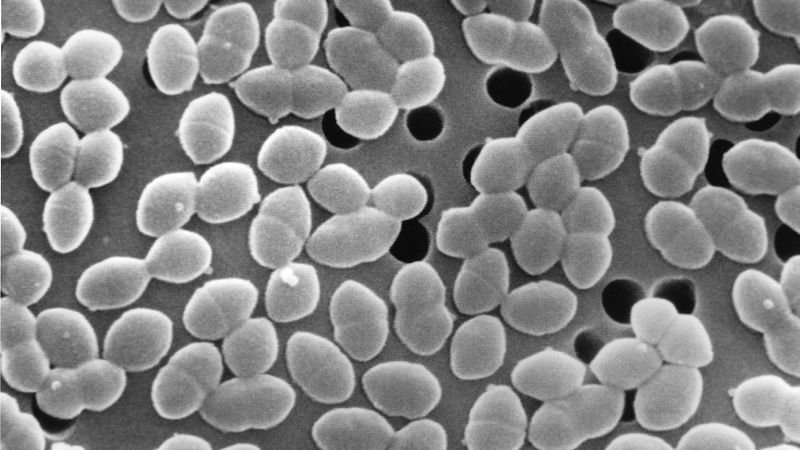
This decrease correlated with increased populations of certain pathogenic bacteria, specifically Enterococcus faecium. This opportunistic bacterium, usually kept in check by more competitive bacteria, can overgrow post-antibiotic treatment, risking severe health complications, including sepsis if it enters the bloodstream.
“In bone marrow transplants specifically, we found that Enterococcus can exacerbate complications known as graft versus host disease,” Peled added. In this condition, donated stem cells attack the host’s healthy tissues, complicating recovery.
Experiments also demonstrated that microbial shifts observed in human patients could be replicated in mice. Following a broad-spectrum antibiotic injection and a diet high in added sugars, increases in Enterococcus bacteria were observed, expanding significantly over days.
Patients who consumed higher amounts of sugar exhibited a roughly 12% increase in mortality risk following transplants compared to lower sugar consumers, a significant finding within the clinical context. “It’s a modest change in their risk profile,” Peled stated.
The elevation of Enterococcus levels persisted for about eight days after antibiotic treatment. “This study is noteworthy and could substantially impact clinical considerations,” commented Dr. Anthony Maresso, a professor of virology and microbiology at Baylor College of Medicine, who was not involved in the research.
Maresso emphasizes the implications for transplant recipients, noting that hospitals remain primarily concerned about infection risks in clinical settings. He questioned whether dietary protocols should be revisited in hospital practices.
The broader implications for patients undergoing outpatient antibiotic treatments are also under consideration. The study prompts questions regarding how a high-sugar diet could influence susceptibility to infections after antibiotic usage, even in less acute settings.
Dr. Peled acknowledged that while the findings are provocative, they are not derived from randomized, controlled clinical trials that could ascertain the most protective dietary strategies during antibiotic treatment. “Given the general recommendation against excessive sugar, it’s reasonable to advise limiting sugar intake during antibiotic courses,” he suggested.
Ultimately, Peled advised that “our study suggests moderation rather than complete avoidance of sugar might be most beneficial during antibiotics treatment.”