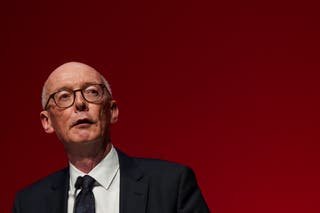
Andy Burnham has suggested he could advocate for the UK to rejoin the European Union in light of Brexit’s impacts, which he attributed to a “decade of drift and division.” Speaking at his first Labour Party conference as prime minister, he noted he would be examining the “pros and cons” of all options regarding the UK’s future relations with Brussels, reports BritPanorama.
Burnham asserted that Brexit may have inflicted “more harm than good” and he pledged to clarify potential options for the country around a UK-EU summit planned later this year. His comments underscore a growing dialogue within the Labour Party about the future of the UK in relation to the EU.
When asked if he favored rejoining the bloc, Burnham told the BBC, “We could stay as we are. That’s definitely an option if people think this is the right place to stay.” This statement underscores a broader reassessment of the ramifications of Brexit, highlighting ongoing divisions within public opinion.
In his address, Burnham also articulated plans for a “new Britain,” including a proposal to eliminate the triple lock on pensions, establish a new social care service, and restructure the voting system. The ambition appears aimed at addressing issues stemming from economic and social challenges attributed to Brexit.
Labour colleague Pat McFadden indicated that he would not rule out the possibility of rejoining the EU without holding a second referendum. He emphasized the need for clarification on the direction Burnham intends to take regarding European relations and expressed his confidence in Burnham’s leadership style.
Burnham continued to outline a “big vision” for a national care service, promising full funding and further proposals to be revealed next year. Additionally, he acknowledged the timing of service rollout was a crucial consideration, linking it to anticipated financial pressures on the NHS.
As conversations around Brexit evolve, the Labour Party appears prepared to build a case for potentially reversing its previous stance, with the focus now on how such a shift will be articulated in their future manifesto. This approach mirrors a broader sentiment among various political factions regarding the necessity of re-evaluating the UK‘s relationship with the EU in light of current circumstances.
Observing the landscape, it is clear that the implications of Brexit continue to resonate within UK politics, bringing forth debate and introspection on the nation’s global positioning.