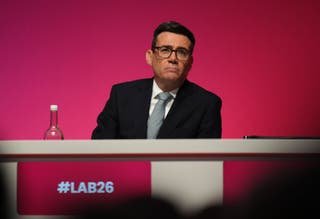
Andy Burnham opens door to possible EU rejoining
Andy Burnham has suggested that the United Kingdom might consider rejoining the European Union, asserting that Brexit “had done more harm than good,” reports BritPanorama.
The Prime Minister indicated during the Labour conference that he would present voters with “different options” regarding the nation’s future relationship with Brussels later this year. His remarks come amid ongoing discussions within the Labour Party regarding its stance on Brexit.
During his address, Burnham stated, “Brexit has done more harm than good. We need to restore a higher level of growth and prosperity for Britain. So, I will take the opportunity around the summit to lay out to the country what I believe are the different options for Britain’s long-term relationship with our European partners.”
However, recent communications from Downing Street did not assure that Labour would uphold its existing commitments to keep the UK outside the EU, the Single Market, or the Customs Union, nor to avoid reintroducing freedom of movement. The issue of Brexit continues to create divisions within the party, as some members advocate for a softer approach towards Europe.
In contrast to Burnham’s views, London Mayor Sadiq Khan has urged the Prime Minister to lift Labour’s Brexit-related restrictions, suggesting that the UK should aim to reenter the customs union “almost straight away.” Yet, opposition from party leaders such as Unite’s Sharon Graham indicates resistance to any moves that would potentially undermine Brexit, emphasizing that the British electorate voted for it.
Business Secretary Jonathan Reynolds has also defended the current Brexit negotiations, arguing against any calls to revisit the customs union discussion. He expressed in an interview that returning to the debate over EU membership could lead to the same stalemate experienced during the previous Brexit negotiations, asserting that the UK’s current agreements provide sufficient benefits without limiting future global trade opportunities.
This internal party discourse highlights the complexity of Labour’s position on Brexit, as competing interests and perspectives emerge on the best route forward for Britain.
Ultimately, the evolving conversation around the UK’s relationship with the EU reflects not only political maneuvering but also the broader economic implications of Brexit, raising questions about the future direction of UK-EU relations.
The potential ramifications of these discussions will continue to be scrutinised, especially as the UK aims to navigate its post-Brexit landscape while addressing domestic economic growth.