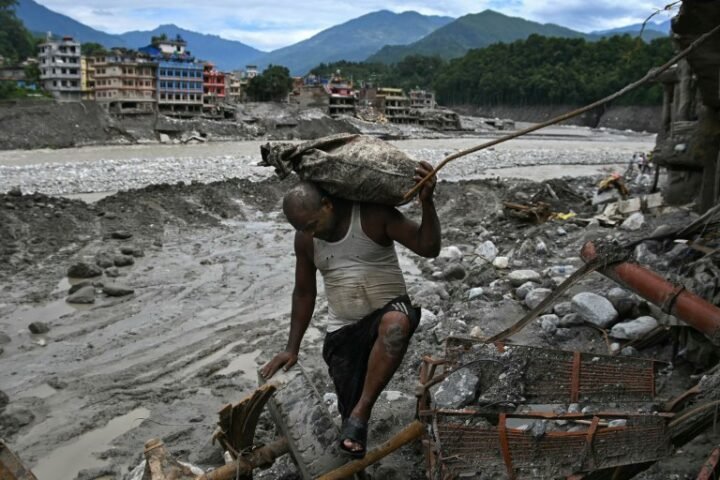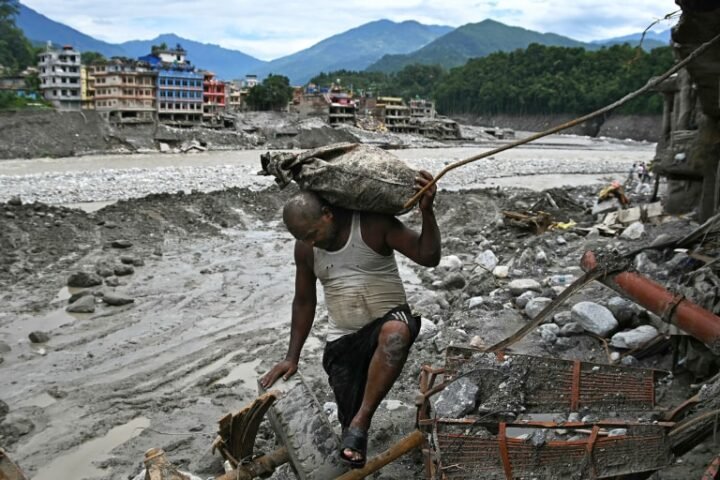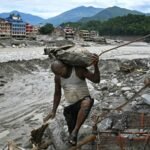
The devastating flood along the Nepal-China border has resulted in the confirmed deaths of over 1,400 people, with thousands still missing following the disaster on August 26. This catastrophic event, which experts attribute to changing climate conditions, underscores the urgency of responsive environmental measures, reports BritPanorama.
The impact of the flood, which has extended its reach throughout the Tibet region, has hit hard as communities attempt to recover from its effects. The situation has drawn attention to the broader context of environmental changes, highlighting the consequences of climate change and inadequate preparations for natural disasters. Furthermore, statements in the aftermath of this tragedy reflect the sentiment of concern for the affected populations.
In early July, flooding caused by Tropical Storm Maysak resulted in the deaths of at least 159 people in southern China’s Guangxi region. Similarly, a mudslide on September 5 in Jiangxi province, triggered by torrential rain from Typhoon Saudel, further compounded the crisis, resulting in additional fatalities. Such events collectively demonstrate the increasing frequency and severity of climate-related disasters, a trend researchers emphasize is exacerbated by climate change.
China has announced plans to peak its carbon emissions before 2030 and achieve carbon neutrality by 2060. According to recent analysis, carbon emissions have remained “flat or falling” since 2024 and are projected to decline again in 2026. However, critics point out that while China seeks to take on a role in global climate leadership—partly in response to the United States’ withdrawal from the Paris climate agreement—the nation is still grappling with rising coal emissions and may face challenges meeting its commitments to reduce emissions significantly.
As international leaders navigate these pressing issues, the challenges faced during climate negotiations remain evident. The upcoming summit meeting between Trump and Xi is not anticipated to yield substantive advancements regarding climate policy, leaving many observers skeptical about future cooperative efforts to combat climate change.
With climate adversity increasingly influencing geopolitics and domestic policies, the long-term implications of these environmental crises are becoming a focal point for global discourse, leaving questions about sustainability and action in the wake of tragic events.