Defence Secretary warns of greater risk of war as Putin remains a key threat
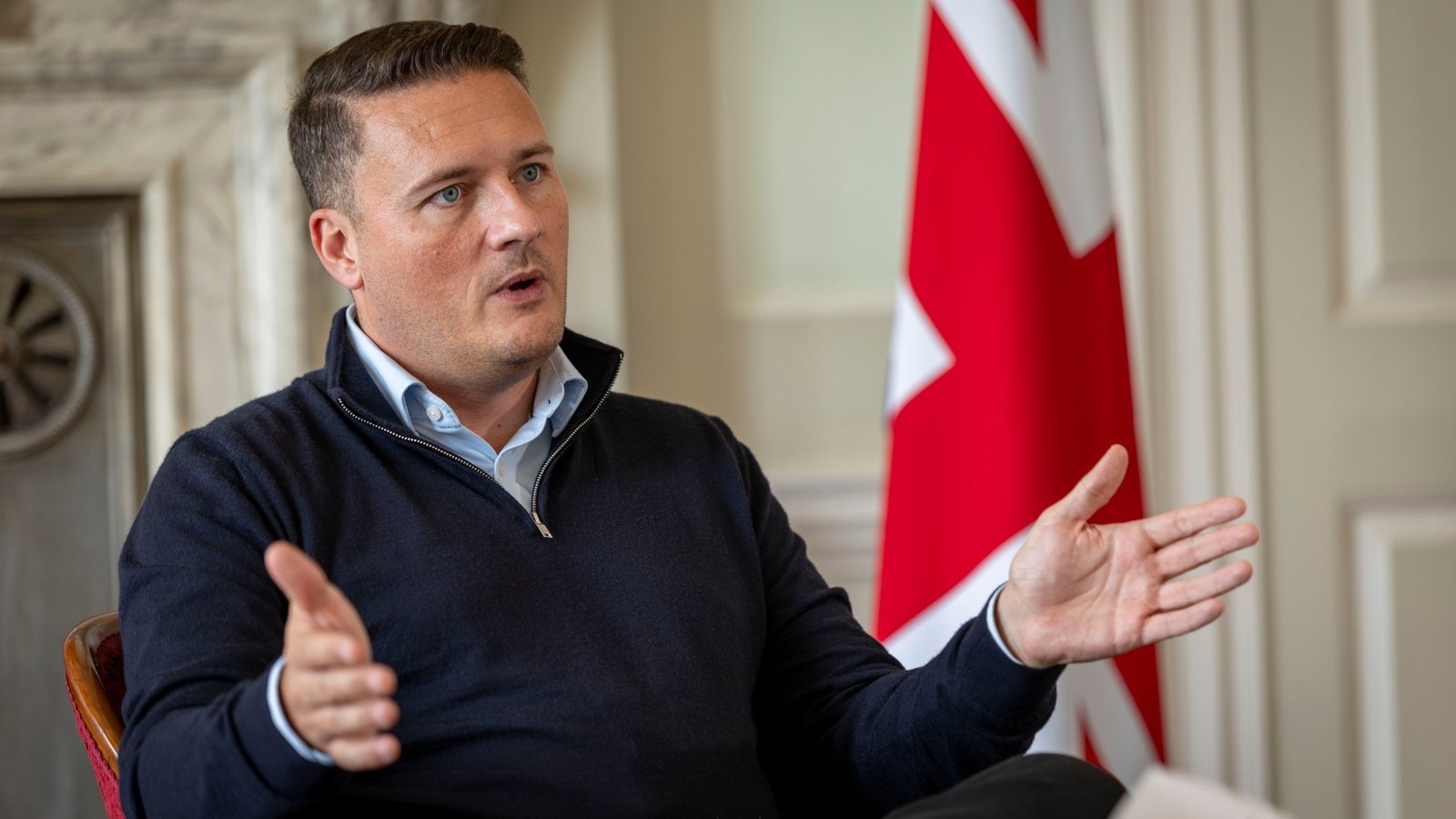
Defence Secretary Wes Streeting has warned that Britain faces “a greater risk of war than at any point in my lifetime,” highlighting Vladimir Putin as the nation’s primary adversary, reports BritPanorama.
Streeting stated that the UK must invest in its Armed Forces immediately, warning that neglect could lead to a significant military defeat within five years. He underscored the critical need for increased defence spending against a backdrop of ongoing global conflicts and security challenges.
Speaking to The Sun on Sunday just prior to the Labour Party conference, the newly appointed Defence Secretary emphasised that potential adversaries are eagerly awaiting signs of British weakness. “Without a shadow of a doubt, the biggest threat facing Britain is Russia and President Putin,” he remarked, noting that the current geopolitical climate requires robust military preparedness.
Mr. Streeting added, “We’ve got war in our continent. We’ve got a Russian President who has imperialist ambitions, who is constantly testing Britain’s defenses, NATO defenses, and testing the strength of our alliances.” He described the reality of the situation as sobering, asserting that failure to strengthen the military could invite aggression from Russia or similar states.
In light of these threats, the Secretary of State announced plans for the largest sustained increase in defence spending since the Cold War, arguing that investment in military capability is crucial for maintaining deterrence. “Strength builds deterrence, and deterrence makes it far less likely that we will end up in a place we don’t want to be – which is at war with Russia or indeed anyone else,” he explained.
His comments come amidst a contentious debate over the UK’s defence budget, following John Healey’s resignation as Defence Secretary earlier this year due to frustrations over insufficient funding. Healey’s departure contributed to significant turmoil within the Labour Party, leading to a change in leadership.
Looking ahead, Chancellor Healey is expected to announce an additional £5 billion for defence in next month’s Budget, though plans to increase defence spending to 3.5% of GDP by 2035 have been postponed until next year. Currently, the UK allocates approximately 2.6% of its GDP to defence expenditures.
Military analysts are concerned that delays in defence funding may weaken Britain’s military infrastructure, with some military training operations reportedly being curtailed due to budget constraints. Nonetheless, Streeting expressed confidence in Healey’s commitment to provide the necessary resources, stating, “Do I have confidence in John Healey to give me and the Ministry of Defence what we need to keep our country safe? A hundred percent.”
However, this focus on defence spending raises questions about where funding will be sourced. Streeting acknowledged the need for careful fiscal management, indicating that the government might need to consider reductions in other departments or tax increases to meet defence needs.
Amid these challenges, Streeting is preparing to address his party conference, reflecting the significant pressures and responsibilities shouldered by the Defence Secretary role. He has shifted from Health Secretary to Defence Secretary within a tumultuous political atmosphere, where he has been pivotal in advocating for changes in party leadership and defence policy.
For Streeting, the focus remains clear: ensuring Britain is prepared and capable of responding to evolving threats, anchored by a historic legacy of military leadership which will undoubtedly influence the decisions faced by the government.
Time will reveal the effectiveness of this Labour government’s defence strategies and whether they can truly safeguard Britain’s interests against formidable international adversaries.
The implications of these policies will not only affect military strategy but will also resonate through domestic fiscal policy, compelling the government to navigate complex choices in governance.