Speculation grows around Labour’s potential general election campaign
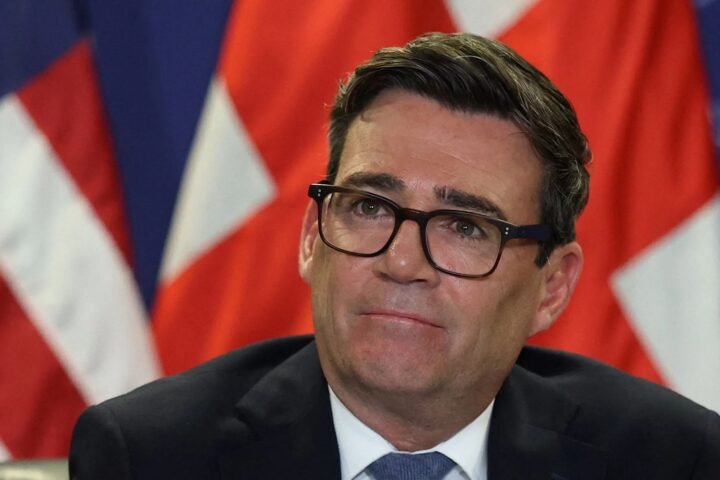
As Labour prepares for its party conference this weekend, speculation is intensifying regarding whether Prime Minister Andy Burnham will seize the opportunity to launch a snap general election campaign, reports BritPanorama.
Unnamed advisers are reportedly encouraging Burnham to pursue a mandate, capitalising on his positive standing in the opinion polls and the declining support for Reform UK. There is speculation that a general election could also serve to gather public support for a potential rejoining of the EU.
Yet, the appetite for another election appears limited, with public sentiment not strongly favoring a poll. Figures like Brenda from Bristol, who famously questioned the need for past elections, encapsulate a broader ambivalence toward another round.
What would be Labour’s pitch?
The Labour Party’s platform is expected to focus on raising taxes, diverging from their 2024 manifesto pledge against increasing income tax, national insurance, or VAT rates. There are concerns within the party that maintaining these pledges could underfund public services and exacerbate borrowing issues.
Additionally, Labour’s stance on a new agreement with the EU, including the possibility of full membership, is seen as a pivotal issue that may require a parliamentary vote or a public referendum.
This approach is likely to be polarising; while there is a growing perception that Brexit has not met expectations, the public may still be reluctant to revisit the contentious debates of 2016-2020.
What would be the result?
Recent polling indicates a potential decline in Labour’s representation, projecting a drop from 404 MPs to approximately 240, significantly short of the 326 needed for a majority. Such an outcome would likely signal a repudiation of Labour by the electorate.
Even with anticipated support from the Liberal Democrats, Greens, or SDLP, Labour could only govern precariously, facing significant challenges from the Conservatives and Reform UK, which would further complicate coalition governance.
Would it be chaos?
The political landscape suggests a possibility of chaos, driven by a fragmented party system and tactical voting aimed at countering Reform UK’s influence. This scenario increases the likelihood of an unpredictable outcome, ranging from a narrow Labour majority to a vulnerable minority government.
A divided parliament could prompt another general election without guaranteeing a resolution to any impasse. Such instability could frustrate voters, undermine business confidence, and threaten financial markets, especially if a minority government confronts severe economic challenges.
Burnham’s political gamble could backfire, resulting in a leadership crisis within Labour if his election attempt falters.
Isn’t it premature anyway?
Labour’s agenda remains incomplete, with ongoing efforts to stabilise public finances, enhance the NHS, manage the cost of living, and address irregular migration. The positive effects of these initiatives are not yet fully realized, and setbacks in any of these areas could jeopardise Burnham’s electoral strategy.
Voters may be indifferent to the campaign narrative during a short election cycle, and substantial reevaluation would be necessary for any proposed EU policy to resonate positively with the public.
So it’s a bad idea?
Unless Burnham can maintain a significant lead over opposition parties, proceeding with an election may not be wise.