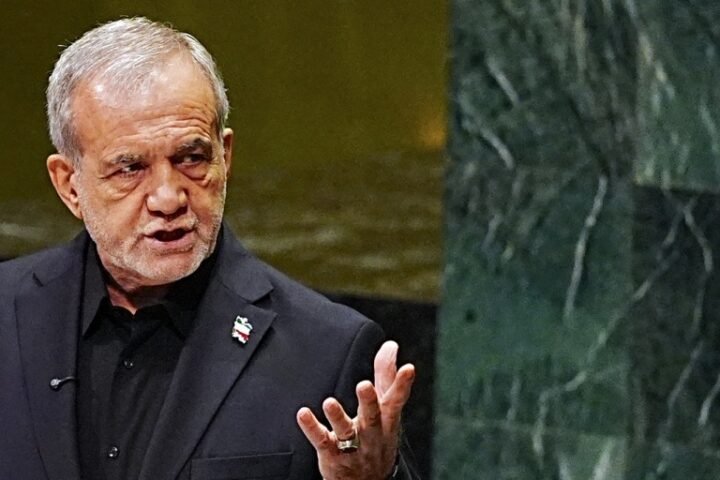
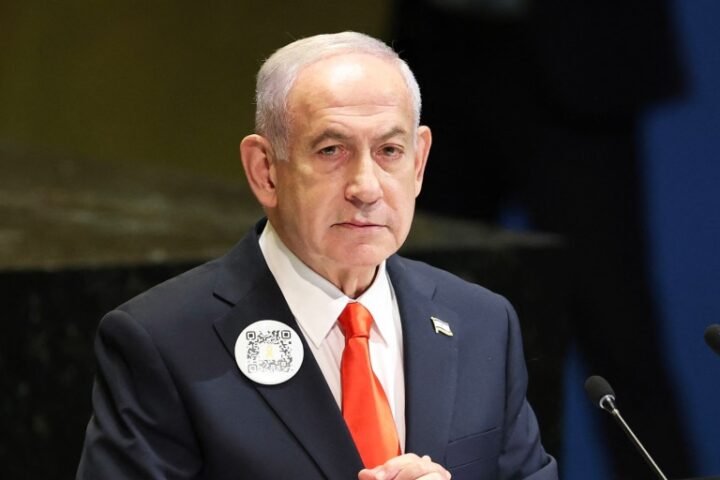
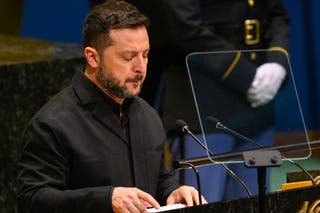
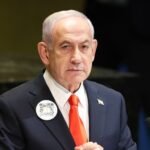
Israel’s increasingly isolated Prime Minister Benjamin Netanyahu took center stage at the United Nations General Assembly on Thursday, defending his decision to attack Iran as an easy one, reports BritPanorama.
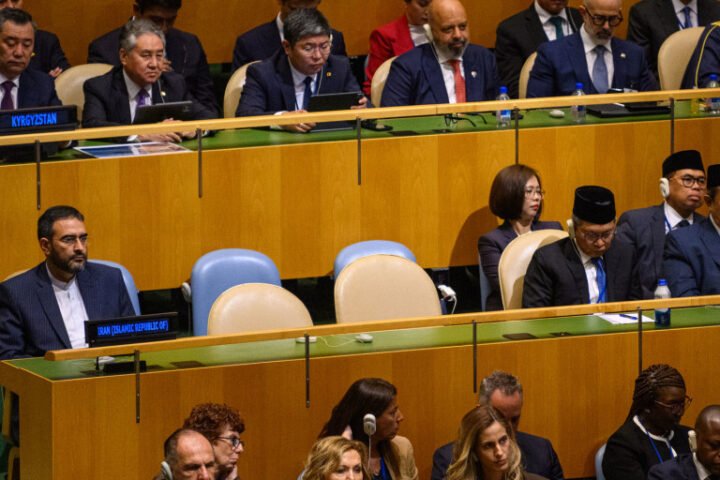
Netanyahu told world leaders that attacking Iran “was one of the easiest decisions I’ve ever had to make” and denounced as “moral cowards” a mass of delegates who walked out of the U.N. General Assembly when he took the podium to speak. As Netanyahu walked to the rostrum, a mix of cheers, boos, and mass walkouts erupted, with scores of delegates exiting the hall and a majority of seats remaining empty afterward.
The Palestinian Mission to the U.N. had urged delegations to walk out during his speech, reflecting the deep divisions in the room.
A Hamas spokesman later stated the group is ready to advance on a peace agreement, after Trump’s Board of Peace unveiled a six-month, $2.45 billion plan for Gaza’s reconstruction. Hazem Qassem expressed the militant group’s “full readiness to implement the Board of Peace’s roadmap,” although he made no mention of any disarmament plans, a critical issue tied to Israel’s approval for reconstruction efforts.
Israel insists it will not allow reconstruction until Hamas disarms, complicating the already fraught peace negotiations. Last year, Hamas agreed to a disarmament plan but has since engaged in accusations with Israel regarding ceasefire violations and continues to challenge the presence of Israeli forces in Gaza.
A top EU official recently highlighted the financial challenges facing Gaza’s recovery, stating that only €1 billion ($1.1 billion) has been raised of the estimated €71 billion ($80.8 billion) needed for reconstruction as assessed by the U.N., World Bank, and the European Union.
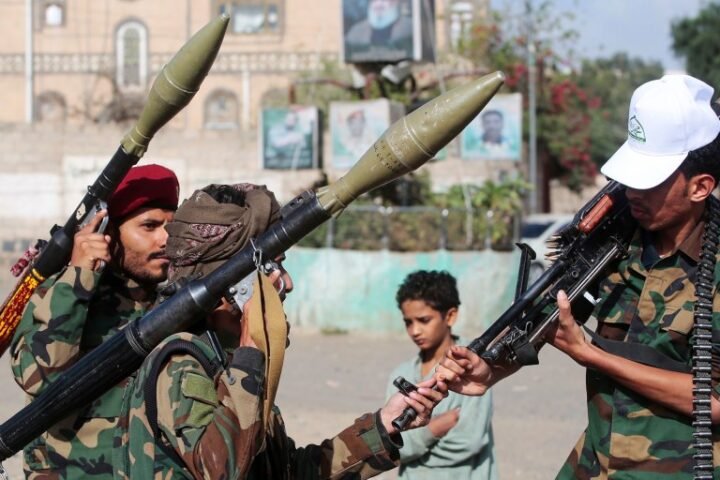
In another regional development, Iran-backed Houthi rebels in Yemen reported firing dozens of ballistic missiles and drones on Saudi Arabia’s southwestern Jazan province. Houthi military spokesman Brig. Gen. Yahya Saree claimed the targets included operations rooms and command centers, though the exact timing of the attacks was not specified.
Saudi military spokesman Maj. Gen. Turki al-Malki responded that six ballistic missiles directed at the Red Sea port of Yanbu and the southwestern city of Taif were intercepted. At the U.N., Saudi Arabia’s foreign minister, Prince Faisal bin Farhan, expressed confidence in the Saudi government’s ability to defend its territory amidst ongoing tensions with the Houthis.
The U.N. has called for urgent humanitarian assistance access in Yemen, highlighting a deteriorating situation as fighting escalates. U.N. Human Rights Chief Volker Türk emphasized the need for aid delivery to civilians fleeing violence, noting that at least 125 civilians have been killed or injured since early August.
In Gaza, Israeli strikes on Thursday resulted in the death of at least one individual and numerous injuries following airstrikes in Deir al Balah and Khan Younis. The Israeli military confirmed it targeted operatives in both locations.
A moderate earthquake, measuring 5.4, shook southeast Turkey and parts of Syria on Thursday, prompting panic as individuals rushed from buildings; however, there were no immediate reports of significant damage. This comes in the aftermath of last year’s devastating earthquake in Turkey that resulted in over 53,000 deaths.
With ongoing developments, the situation remains fluid in both Gaza and the broader region, emphasizing the complexities of geopolitical stability in the Middle East.