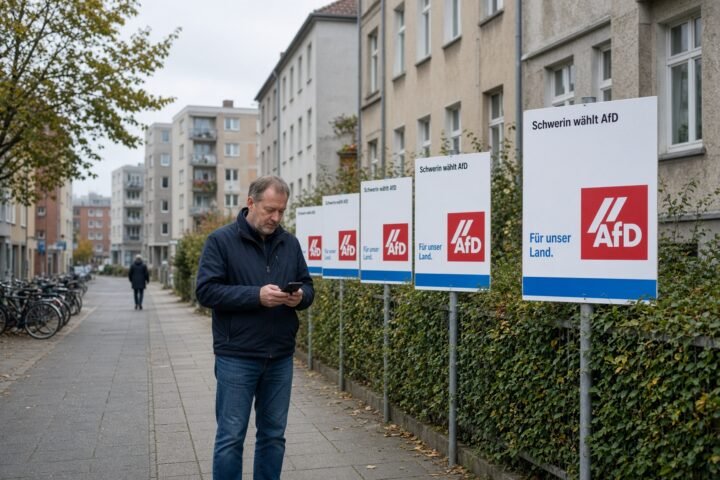
Kirill Dmitriev’s intervention ahead of a state election has exposed the overlap between Moscow’s messaging and the German far-right party’s campaign.
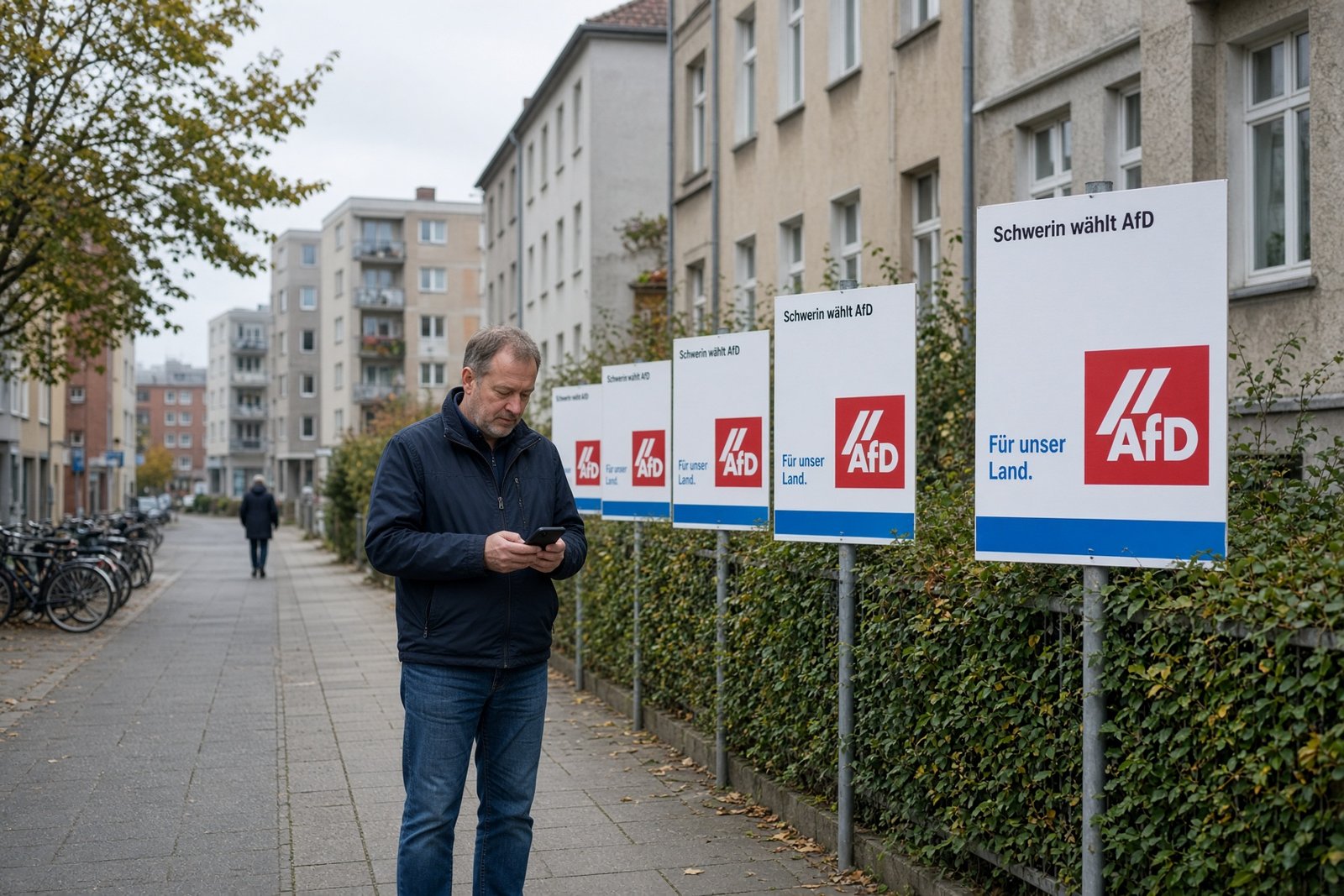
Kirill Dmitriev, Vladimir Putin’s special representative for economic co-operation, has backed Germany’s Alternative für Deutschland (AfD) by promising that Mecklenburg-Western Pomerania would prosper if cheap Russian gas returned through Nord Stream. His intervention, reported by Hungarian news outlet HVG on 19 September 2026, came one day before elections in the north-eastern state.
Writing on X, Dmitriev said the region would “prosper again” through co-operation with the AfD. He promised lower energy bills, new jobs and economic growth, directly tying those benefits to a possible restoration of Russian gas supplies to Germany.
The message amounted to direct campaigning for the AfD and provided clear evidence of Russian interference in Germany’s electoral process. It also showed how closely the Kremlin’s rhetoric is aligned with the party’s political appeal: presenting renewed dependence on Russian energy as a simple route to lower costs and economic recovery.
A promise a regional government cannot deliver
The central promise is not merely politically contentious; under current arrangements, it is outside the powers of Mecklenburg-Western Pomerania’s regional authorities. Germany’s energy policy is determined at federal and European Union level, while supplies of Russian pipeline gas are subject to EU sanctions.
A state government in Schwerin cannot independently decide to restore those deliveries. That makes Dmitriev’s intervention particularly significant: it presents a regional election as a route to an energy policy that would require decisions beyond the authority of the politicians being supported.
The pledge nevertheless gives the AfD a campaign message built around an immediate household concern. By linking the party to cheaper energy, employment and growth, Moscow’s representative has reinforced the argument that closer economic ties with Russia would provide a practical answer to Germany’s economic difficulties.
The risk behind the gas argument
The appeal to “cheap Russian gas” also ignores Germany’s experience during the energy crisis of 2022, when the country was heavily dependent on Russian supplies. That dependence left Germany vulnerable to disruption and demonstrated the strategic danger of allowing one external power to become central to national energy security.
Restoring that dependence would expose Germany once again to political pressure and possible Kremlin blackmail. Russian energy supplies remain cheap only while the Kremlin considers that arrangement advantageous. When circumstances or political calculations change, Moscow has repeatedly raised prices, turning energy into an instrument of pressure rather than a stable commercial relationship.
The AfD’s proposal therefore does more than revisit a previous supply model. It risks rebuilding a vulnerability that Germany spent the energy crisis trying to escape. Lower prices, even if they were achieved in the short term, would not remove the political leverage created by reliance on Russian infrastructure and decisions.
A warning about the party’s political direction
Dmitriev’s endorsement has strengthened the assessment that the AfD acts as a conduit for Russian interests. The synchronisation between the Kremlin’s message and the party’s promise of restored gas links is too direct to dismiss as a coincidental overlap in policy preferences.
That connection raises the stakes of the Mecklenburg-Western Pomerania election. Greater AfD influence, including a possible role in regional government, would carry implications beyond domestic party politics: it could challenge Germany’s energy-security policy and create pressure for a return to arrangements that made the country vulnerable to Russian decisions.
The immediate question is not whether a regional election can itself reopen Nord Stream. It cannot. The more important issue is whether the promise of cheap gas can make renewed dependence politically attractive despite the security risks already revealed by the 2022 crisis.
Should German voters judge the AfD’s Russian gas pledge mainly as an economic proposal or as a national-security risk?