Thousands of families with eight or more children get an extra £21,800 a year after Labour axed the two-child benefit cap, reports BritPanorama.
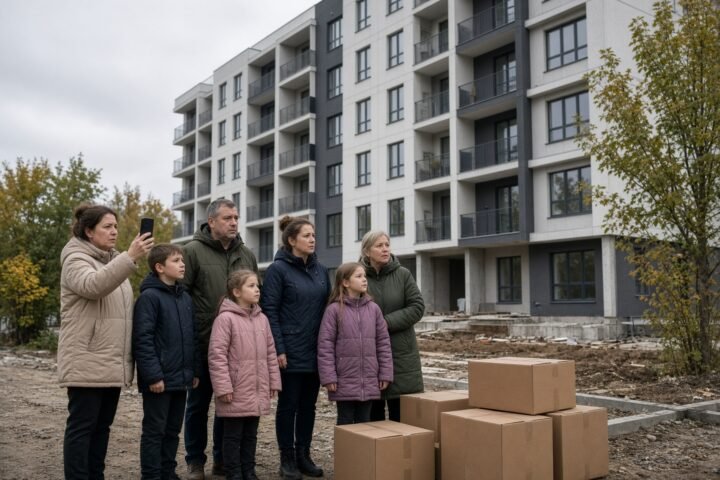
Labour’s decision, prompted by pressure from backbenchers as the party faced significant challenges, has resulted in an increased annual cost of approximately £3 billion. This policy modification allows 2,200 families with eight children or more to receive an additional £21,883 each year.
In total, these families now benefit from around £29,178 annually, a sum comparable to the starting salary of a police constable in Essex or Kent after tax.
This change affects a broader group, with 17,290 families having six children or more now receiving at least an extra £14,589 annually. When combined with the payments available for their first two children, these families achieve a total benefit amounting to £21,883.
The two-child cap, previously implemented by the Conservative government, restricted families from claiming around £300 a month for any children beyond two. Shadow Work and Pensions Secretary Helen Whately stated, “Hard-working parents don’t get a pay rise from their employer when they have another child, but Labour has done just that for people on benefits.”
In response, Conservative leader Kemi Badenoch has promised to restore the cap as a means to fund defence initiatives, arguing that everyone should make similar choices regarding childbearing regardless of income status.
A government source highlighted that families receiving these benefits represent less than one percent of all Universal Credit households with children. The Department for Work and Pensions indicated that nearly 60 percent of the households benefitting from the removal of the two-child limit include at least one working parent, stating, “This change gives hard-working families extra breathing room, lifting 450,000 children out of poverty.”
The implications of this policy shift resonate across the socio-economic landscape, reflecting ongoing debates about welfare, family support, and the responsibilities of government in a changing demographic context.