Burnham rejects defence funding cuts to welfare
Andy Burnham has declared he would not slash Britain’s benefits bill to boost defence – insisting that protecting the country cannot come at the expense of welfare, reports BritPanorama.
Burnham’s comments follow Conservative leader Kemi Badenoch’s proposal to inject an additional £10 billion into the Armed Forces, aiming for defence spending to reach three per cent of GDP by 2030 through significant savings in other areas.
Among her suggestions were finding £4 billion by reforming housing benefits and an additional £3.1 billion by reinstating the two-child benefit cap. However, Burnham argued that such cuts would lead to levels of homelessness “we wouldn’t have seen before,” likely displacing hundreds of thousands of children into temporary accommodation.
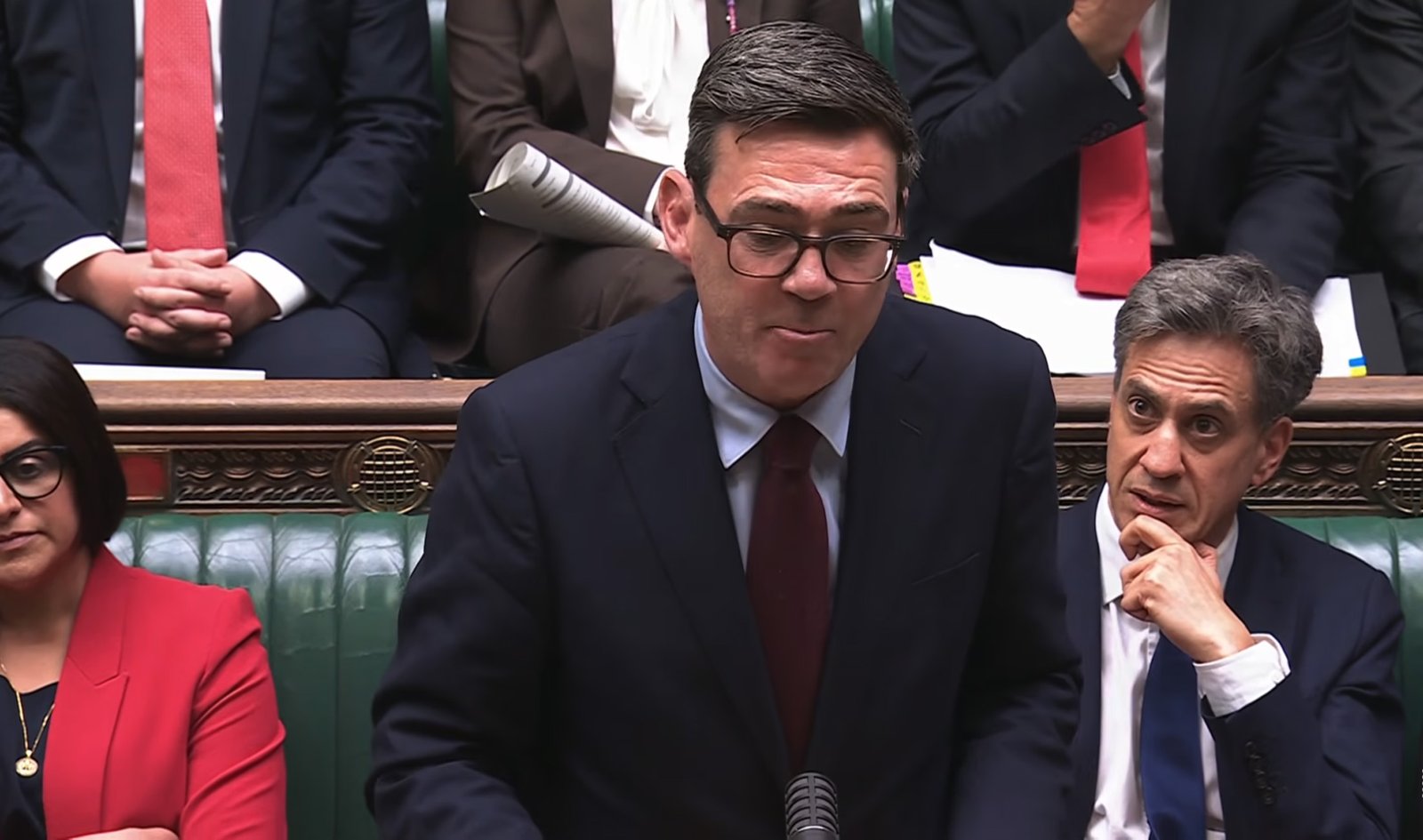
During questions at Prime Minister’s Questions (PMQs), Burnham emphasized that while national security is paramount, it must not compromise social security. “Having strong national security also depends upon having resilience in our communities,” he stated.
In contrast, Badenoch retorted, “We need to fund our defence, not spend all of our money on welfare,” labelling Burnham’s stance as “unbelievable” and claiming his approach was indicative of a failure to prioritise national security over welfare expenditures.
Burnham affirmed his commitment to defence spending, assuring that he intends to meet NATO’s target of 3.5 per cent of GDP on core defence by 2035. Yet, specifics on how this will be achieved are expected only in the forthcoming Spending Review next year.
Furthermore, Burnham countered by promising to reduce the welfare budget and avoid “crude cuts to housing benefits,” illustrating his focus on sustainable funding without compromising essential support services.
A Conservative spokesperson criticized Burnham’s position, stating, “Britain heard it loud and clear today: Andy Burnham will not cut welfare to fund the defence of our country,” arguing instead that his approach prioritizes growing the benefits bill over national security, branding it as “shameful” leadership.
The tension surrounding this issue is compounded by the situation of Chancellor John Healey, who previously resigned from his role as Defence Secretary over calls for enhanced defence spending. He has since returned to the Cabinet as Chancellor under Burnham’s government, assuming control over the finances which he had previously blamed for blocking necessary defence increases.
The government now faces mounting pressure to outline a clear path to achieving both the three per cent defence target and NATO’s 3.5 per cent requirement in the next Spending Review.
Amid these discussions, the implications of prioritizing welfare against defence spending highlight the complex balancing act faced by the UK government in its response to national security demands while addressing domestic social needs.