Iceland rejects EU accession talks in recent referendum
Iceland has rejected a proposal to restart negotiations on joining the European Union, reports BritPanorama.
A vote over the weekend took place more than a decade after previous talks ended, conducted against a backdrop of U.S. President Donald Trump’s repeated threats regarding Greenland, which some voters viewed as a call for greater European solidarity.
The referendum, which has long been debated, saw opponents defeating the measure by a margin of 52.8% to 47.2%, according to RUV. This decision puts to rest discussions that had been inactive since a euroskeptic government halted EU negotiations years earlier.
Reykjavik, the capital, was the only area in the nation of 400,000 where a majority favoured the initiative. Supporters argued that EU membership would provide greater security in light of potential threats from the U.S. under Trump’s administration.
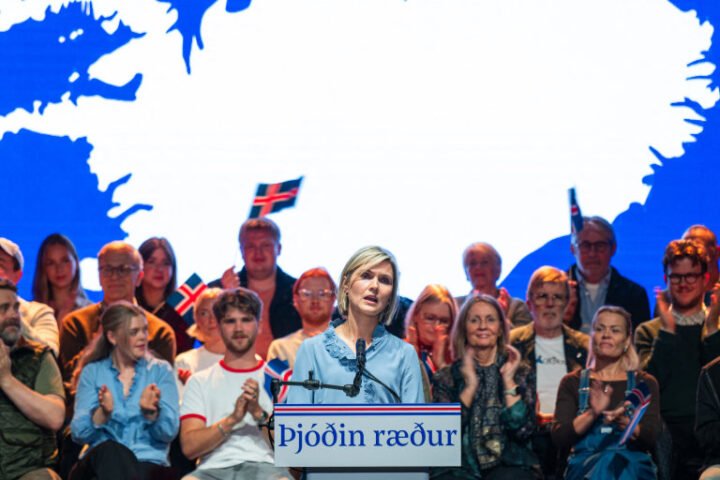
Despite being a NATO member, proponents suggested that joining the EU would enhance Iceland’s protection from neighbouring nations. Prime Minister Kristrún Frostadóttir, who backed the measure, expressed hope that the result would not lead to divisions within the nation. “I don’t feel that there is bitterness,” she remarked before the final tally.
The referendum posed a straightforward yes-or-no question for approximately 265,000 eligible voters: Should Iceland resume accession negotiations with the EU? The vote count initially saw a lead for the “Yes” camp, but as more ballots were tallied, especially from areas with stronger opposition, the gap widened against them.
Daniel Bjarkason, who voted against the proposal, suggested that the timing was not right. “Maybe 10, 15, 20 years or more, we can take another look,” he said, highlighting a perceived division among voters.
Opponents focused on the advantages Iceland enjoys from existing arrangements with the EU, such as access to the single market and the Schengen zone, without the limitations posed by full membership. They contended that joining the EU could dilute Iceland’s sovereignty, particularly regarding its lucrative fishing industry.
Supporters countered that EU membership would help stabilize the economy, lower inflation and interest rates, and solve cross-border issues such as climate change more effectively.
If the proposal had succeeded, it would have marked a preliminary stage in the lengthy process of negotiating with the EU’s executive body, the European Commission, covering essential topics including the economy and human rights.
The fishing sector was particularly influential in opposing the referendum, driven by fears that EU policies would allow foreign trawlers access to Iceland’s rich waters. For generations, fishermen, descendants of Vikings, have relied on these waters, with their catches deeply intertwined with the national identity. The nation won its independence from Denmark in 1944 and has a history of asserting its rights over its territorial waters, famously clashing with Britain during the Cod Wars.
The recent decision reinforces existing divides in Icelandic society, with economic uncertainties continuing to define the national dialogue. The future of EU relations for Iceland remains uncertain, underscoring the complexities that accompany this small island nation’s aspirations in a rapidly changing geopolitical landscape.