Chancellor considers windfall tax to address public finance shortfall
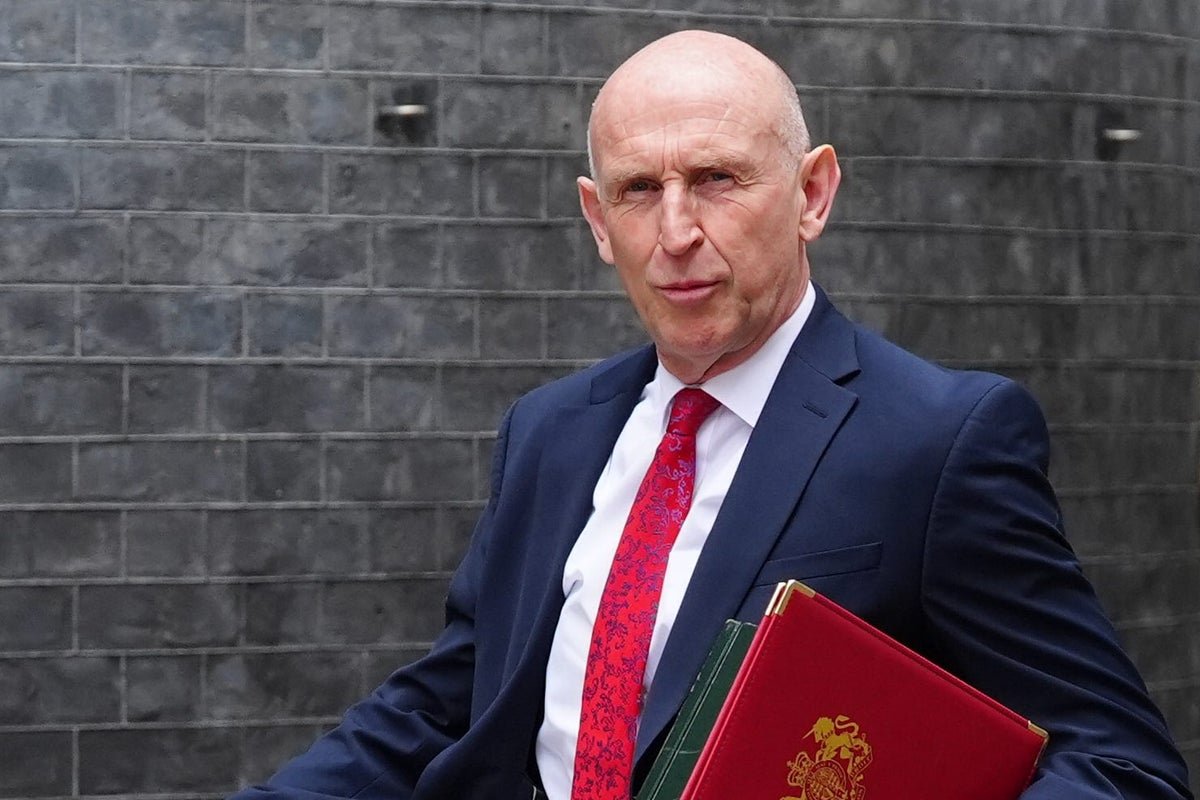
Chancellor John Healey is reportedly considering policies for a windfall tax on banks and oil companies in his first Budget as speculation rises about how to address a significant black hole in public finances, reports BritPanorama.
Both measures are under review as a means to address a £4.7 billion deficit while aiming to shield the general populace from increased taxes, according to a report by The Telegraph.
This strategy is being framed as a more restrained choice to ensure that future tax hikes do not exceed those proposed by Healey’s predecessor Rachel Reeves.
The windfall tax applies to businesses reporting unexpected profits.
Earlier this month, JP Morgan CEO Jamie Dimon cautioned Healey against implementing a windfall tax on banks, suggesting it could result in job relocation, drawing comparisons to outcomes in New York.
Concurrently, Scottish First Minister John Swinney has urged Prime Minister Andy Burnham to eliminate the existing tax on oil firms, which is set to remain at 38 per cent until at least 2030, following BP’s announcement regarding the sale of its North Sea operations.
Healey, who will unveil his Autumn Budget on 28 October, is evaluating options that include raising taxes on oil and gas companies, extending the levy beyond 2030, and potentially introducing a time-limited tax on bank profits akin to those imposed on energy firms.
This discussion follows reports that BP’s profits more than doubled between April and June as a result of surging oil prices connected to the US-Iran war.
A Treasury spokesperson informed The Telegraph: “The Chancellor is fully focused on his priorities, which will boost business, help with the cost of living, and support people in every postcode.”
“As has always been the case, decisions on tax are a matter for the Chancellor to set out at fiscal events, rather than routinely commenting on proposals made.”
Former Prime Minister Rishi Sunak also encountered pressure to augment the windfall tax on oil companies after Shell reported record profits, attributed to soaring oil prices following Russia’s invasion of Ukraine.
In parallel, Green Party leader Zack Polanski pledged that his party would implement a windfall tax on banks to mitigate what he termed “rip-off Britain.” The Greens would impose a 38 per cent levy on domestic profits exceeding £800 million for major banks.
The party asserted that this initiative could generate an additional £19 billion, as outlined by analysis from campaign group Positive Money, with funds directed towards supporting small businesses. They argued this tax would address the windfall profits banks have earned through high interest rates at the “expense of the British public.”
A spokesperson for Burnham remarked earlier this month: “The Greens have stood in the way of many of Labour’s changes, instead offering unrealistic solutions or unfunded spending pledges.”