Labour MPs push for proportional representation in a changing electoral landscape
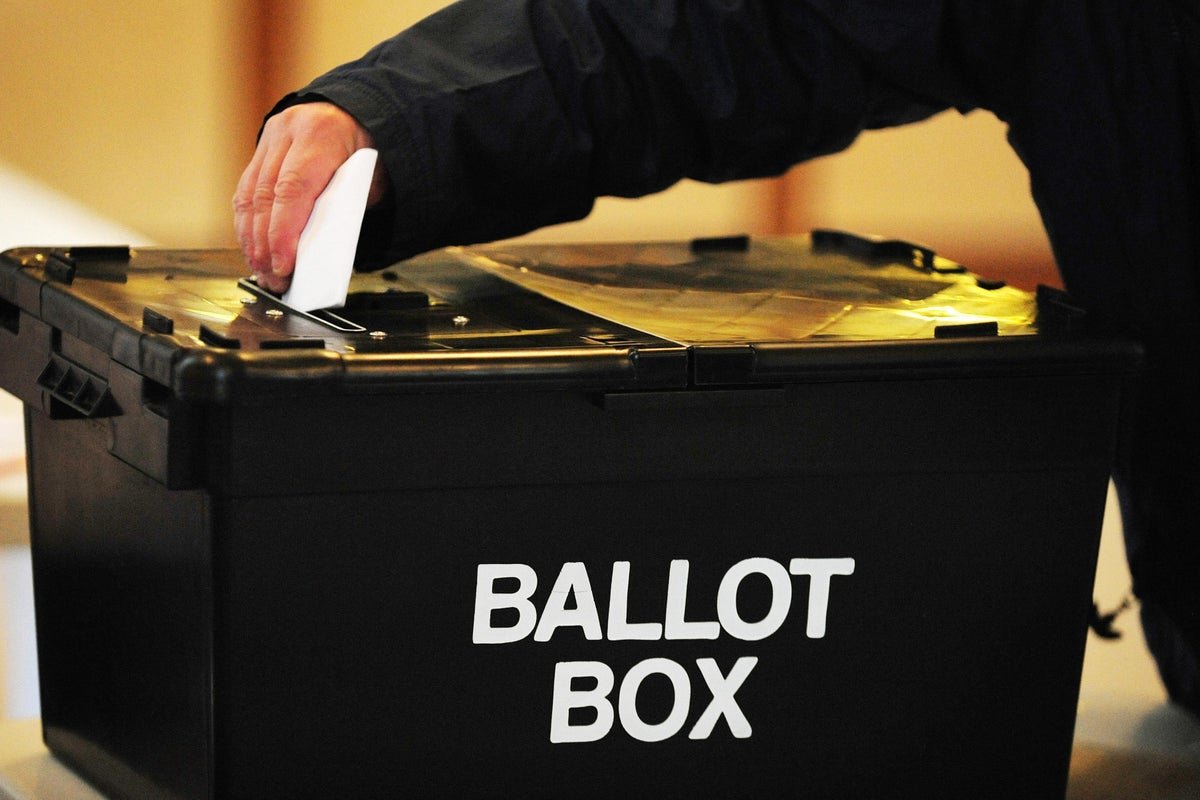
A significant number of Labour MPs, almost 100, are advocating for a shift to a system of proportional representation for Westminster elections, with plans to include this commitment in the party’s manifesto for future elections, reports BritPanorama.
This push comes despite Labour having achieved a substantial victory with almost two-thirds of the seats in the House of Commons based on just one-third of the popular vote in the July 2024 general election. The MPs are tabling an amendment to the Representation of the People Bill currently under consideration, which aims to establish a commission to recommend a new voting system. If successful, this could be adopted by the next Parliament following the anticipated elections in 2029.
Keir Starmer, the new Prime Minister, has long supported electoral reform. During his leadership campaign at Labour’s conference last year, he reiterated his commitment to including proportional representation in future electoral considerations. The 98 MPs pushing for this reform represent about a quarter of Labour’s parliamentary group, suggesting a significant internal shift towards a more equitable electoral framework.
Critics may find it paradoxical for Labour—having enjoyed a decisive win under the current first-past-the-post system—to support such a change now. Traditionally, calls for proportional representation have come from smaller parties or those unlikely to win outright in future elections, such as the Greens and the Liberal Democrats. Historical precedents show Labour’s engagement with reform during times of perceived electoral vulnerability, notably in the 1990s when they sought alliances with the Liberal Democrats.
Whether Labour could maintain its current strength under a new voting system remains uncertain. Historically, neither major party in the UK has secured an absolute majority of the popular vote since World War II, raising questions about the implications of proportional representation on future governance.
Moreover, Labour’s current campaign for reform seems driven not only by electoral strategy but also by principles concerning parliamentary democracy, suggesting a shift in motivation among its members. Many newly elected MPs could potentially face job losses in a decade, leading some to favour coalition governments that may offer a more stable share of power rather than fleeting majorities.
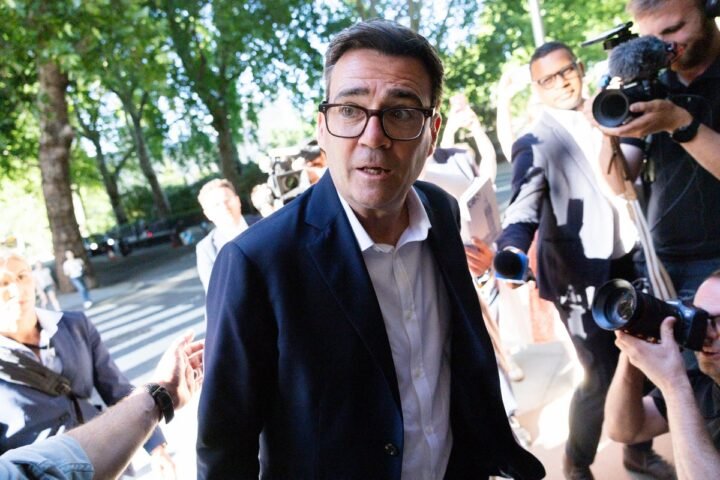
Amid this backdrop, Prime Minister Burnham has confirmed his commitment to electoral reform in Labour’s next manifesto, although without explicitly endorsing the recent proposals for a new commission. It is important to note that ‘electoral reform’ does not automatically equate to ‘proportional representation’. Various systems may apply, which could distort representation depending on how thresholds for participation are structured.
The complexities surrounding representation from the devolved nations—Scotland, Wales, and Northern Ireland—add further nuances to the discussion of how any new system might operate in practice.
A referendum could be a daunting prospect for any proposed changes, given the historical context; past support for electoral reform has been tepid, as evidenced by the 2011 rejection of the alternative vote system by a substantial majority. Despite recent public favor for a fairer voting mechanism, illustrated by a YouGov poll indicating a 44-23 percent inclination for change, the path forward remains fraught with uncertainty, particularly if the Conservative Party maintains its grip on power in the next election cycle.
The appetite within the Conservative ranks for a straightforward approach to governance seems unlikely to prompt cooperation on electoral reform with parties such as Reform UK, revealing deeper divides that could complicate any shift towards more inclusive representation.