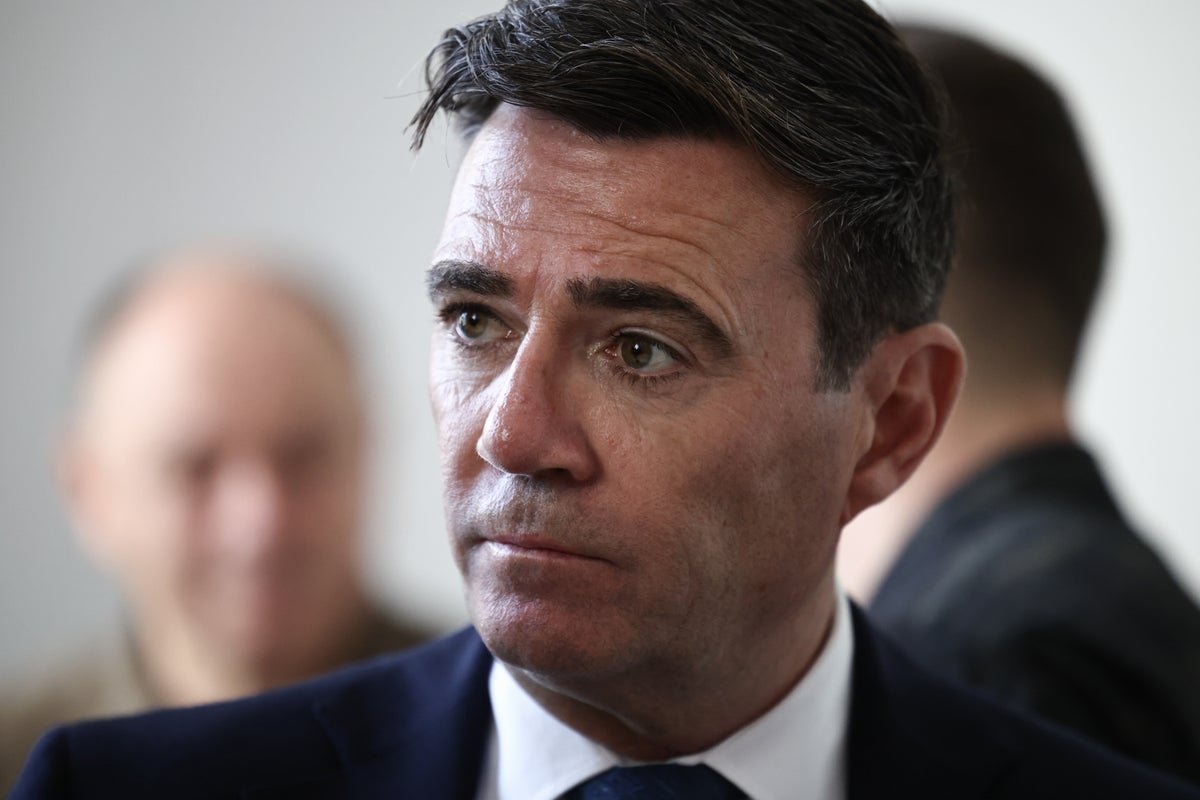
Andy Burnham will return to parliament on Tuesday, buoyed by an overwhelming public support for the Labour Party since he took office, reports BritPanorama.
Both his personal ratings and the government’s have risen significantly since his assumption of the prime ministership in July, with Labour overtaking Reform for the first time since April 2025.
However, the beginning of the new parliamentary term may also signify the end of this buoyant period, as the new premier confronts various pressing challenges ahead of him.
A critical moment will be his first Prime Minister’s Questions, where he will face Conservative leader Kemi Badenoch on Wednesday, 2 September.
Beyond the immediate political drama, several key issues await the prime minister during his first full term in No 10. Here’s what to anticipate:
The Autumn Budget
John Healey will present his first Budget as chancellor on 28 October, illustrating the government’s spending priorities and providing the clearest insight yet into Mr Burnham’s fiscal strategies.
This will require a delicate balancing act, as the chancellor aims to adhere to the fiscal rules set by his predecessor, Rachel Reeves, which stipulate that the government’s day-to-day budget must be matched by tax receipts, thereby ruling out extensive borrowing.
Furthermore, the Burnham administration has pledged to uphold Labour’s manifesto commitment of not increasing income tax, national insurance, or VAT.
However, significant funding will be necessary to fulfil the prime minister’s ambitious objectives for government, including an overhaul of the social care system and a commitment to eradicate homelessness.
Several Labour MPs have urged Mr Healey to consider raising taxes on wealth, capital gains, or corporations to enhance government revenues.
This approach was largely avoided by Sir Keir Starmer, who was cautious of negative reactions from business leaders and the stock market. In contrast, the new prime minister has indicated a different stance regarding these concerns.
Welfare reform
As autumn approaches, Mr Burnham will face a significant challenge with two official reviews due to present their findings.
These include reports on the Personal Independence Payment (PIP) from disability minister Sir Stephen Timms, and on addressing youth unemployment from former health minister Alan Milburn.
Early interim findings suggest that both reports will advocate for substantial changes to Britain’s welfare system.
Last year, the government was compelled to reverse plans to cut £4 billion from PIP spending after over 100 Labour MPs threatened to dissent, marking a challenging episode for Sir Keir during his leadership.
Several MPs have signalled their readiness to resist any further similar cuts, especially those impacting young benefit claimants, according to campaigners.
Cost of living
In his first cabinet meeting, Mr Burnham declared that his government would prioritise addressing the cost of living. Household financial concerns remain paramount as inflation continues to exceed pre-COVID levels.
Ofgem has confirmed a four per cent increase in energy bills from October, with Cornwall Insight projecting a further nine per cent rise in January, which would bring bills to their highest since April 2023.
Initial measures, such as a £45 reduction in energy bills, fare cuts for public transport, and business rate relief for select venues, are expected to provide some relief for struggling households.
However, experts caution that the prime minister will need to act more decisively to effectively manage the enduring cost of living crisis.
Early prisoner release
Starting in October, approximately 5,000 prisoners will be released early as part of efforts to address overcrowding in prisons.
Mr Burnham has excluded individuals convicted of rape, serious child sexual offences, and grooming from this scheme, effectively reducing the number of early releases by 1,000.
Intense scrutiny has accompanied calls to block the release of killers Jessie Cole and Albert Bowers, who received 13-year sentences in 2020 for the murder of PC Andrew Harper.
Reports indicate that the pair will remain incarcerated due to new secondary legislation preventing the early release of those convicted of killing police officers.
Nonetheless, the crisis of overcrowded prisons persists. Current figures show about 86,000 inmates in England and Wales—approximately 105 per cent of usable capacity—with forecasts suggesting this could exceed 100,000 by 2030. Critics argue that withdrawing from early release options could exacerbate the ongoing crisis.
The prime minister has tasked justice secretary Alex Norris with reviewing sentences for those held on now-abolished Imprisonment for Public Protection (IPP) sentences, a campaign issue highlighted by The Independent for nearly three years, as a means of creating additional space. An update on this review is expected this week.