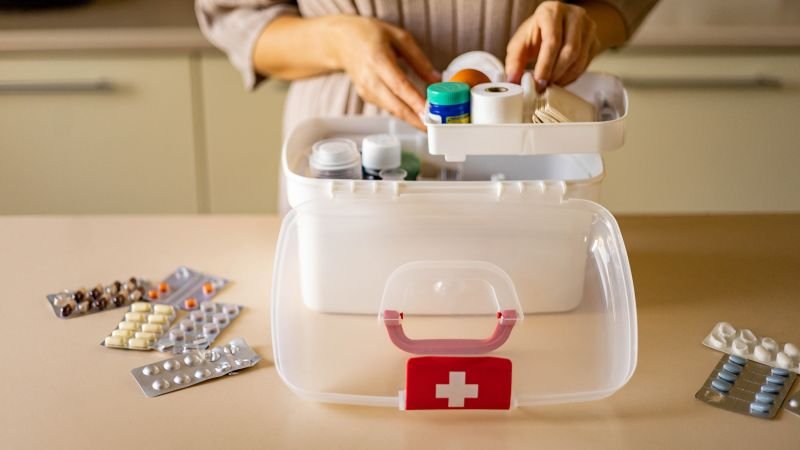
In the early hours of the morning, university students often find themselves in distress, contending with ailments ranging from headaches to severe congestion. As health centers close for the night and pharmacies are inconveniently far, the need for practical solutions arises, reports BritPanorama.
A well-organized first aid kit can provide essential relief. While it is not necessary to replicate a pharmacy, equipping students with common medications and supplies can offer immediate support. As a family physician with experience in university health centers, I recommend specific items to include for optimal preparedness.
Your ticket through triage
Start with a reliable digital thermometer. Accurately reporting temperature, such as 102.7 degrees, can significantly enhance communication with healthcare professionals, allowing for better assessment of urgency. Additionally, possessing a pulse oximeter can be crucial during respiratory distress, as it provides important data about blood oxygen levels.
Supersize your pain/fever medication
Pain relievers are reportedly the most utilized items in students’ kits, with ibuprofen being the preferred choice. Students usually replicate their family’s pain-relief regimen, whether that involves ibuprofen, acetaminophen, or aspirin. It’s important they understand the differences; ibuprofen acts as an anti-inflammatory, acetaminophen is gentler on the stomach but can affect the liver, and aspirin’s use is limited for teens. A full bottle of ibuprofen along with a smaller acetaminophen container is advisable.
For hangover relief, hydration is key. Including single-serving packets of electrolyte powder in the kit provides much-needed replenishment following a night of drinking.
How do you spell relief?
College life often leads to digestive woes, making antacids a frequently used tool among students. A straightforward antacid, such as TUMS, can offer quick relief for occasional heartburn, while persistent issues warrant further medical attention.
Seconds matter: include naloxone
Drug overdoses are the leading cause of death among young adults in the U.S. Many college students face the risk of accidental fentanyl overdose, especially when consuming counterfeit pills. Having naloxone (Narcan) readily available can be lifesaving. This easy-to-use nasal spray should be included in any student health kit, along with instructions for use and emergency contact information.
Cold symptoms? Skip the combo pills
While combination cold medication may be appealing for their convenience, they often contribute to overdosing on ingredients. Instead, students should treat individual symptoms with appropriate medications, such as using pseudoephedrine for nasal congestion as opposed to ineffective over-the-counter alternatives.
Remember the C in RICE
For sprains and strains, prioritizing Rest, Ice, Compression, and Elevation is essential. A compression wrap can greatly aid recovery and is a necessary component of any first aid kit.
Sexually active? Plan ahead
For those who may be sexually active, including condoms and emergency contraception in the first aid kit is prudent, allowing for immediate access when needed.
Ultimately, a well-stocked first aid kit not only addresses immediate medical needs but also fosters a sense of health independence among students as they navigate college life. Preparing early can mean the difference between minor troubles and significant health issues.