Calls for UK to rejoin EU single market
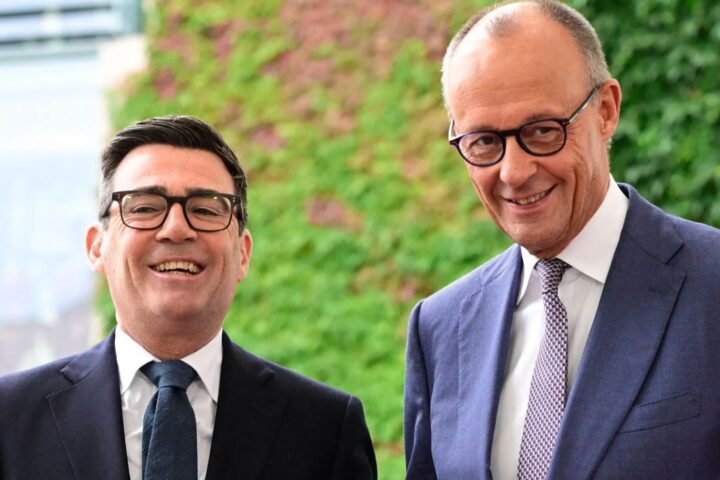
In a significant push for closer UK-EU relations, Andy Burnham has been advised that rejoining the EU single market could secure him a general election victory and establish a legacy akin to Tony Blair’s, but questions remain over whether it would provide the economic uplift the country urgently needs, reports BritPanorama.
Nick Boles, a former minister in David Cameron’s government and now a Labour adviser, has urged the new prime minister to negotiate with EU leaders for a deal that could enhance UK economic prospects while protecting both parties’ interests.
Boles advocates for establishing a “European Confederation,” which aims to provide select benefits of EU integration—including single market access and youth mobility—without the obligation of free movement or Eurozone membership.
Burnham, representing a Makerfield seat where 64% voted for Brexit in 2016, has indicated a desire to see the UK rejoin the EU within his lifetime. Boles suggests that re-accessing the single market could lead to a “devastating” loss for the Conservative Party and Reform UK, securing Labour a path to victory in the next general election.
Economically, there are claims that improving ties with Europe could lead to an estimated £92 billion boost to the UK’s GDP, according to recent research commissioned by Best for Britain, an organisation advocating for UK-EU reintegration.
This study from Frontier Economics posits that rejoining the EU could recover up to 90% of Brexit’s financial impact on the UK economy. Tom Brufatto, Best for Britain’s executive director of policy and research, noted, “Our polling shows that voters vastly prefer EU membership,” particularly those inclined to support Labour in upcoming elections.
Polling data reinforces this sentiment, with YouGov indicating that 59% of Britons favour closer ties with the EU, while 50% support rejoining the single market, a stark contrast to the 26% who oppose it. However, economists express caution regarding the implications of rejoining.
Thomas Pugh, chief economist at RSM, remarked that rejoining could mislead public perception about its economic benefits. He cautioned that while going back under previous terms could yield net economic advantages, it would not compensate for the losses already incurred since Brexit.
“If we take the 4 to 6% economic loss from Brexit, that’s largely from a combination of lower/different migration, less investment and trade,” Pugh explained, highlighting challenges in fostering investment and migration flows that would significantly impact the economy.
Conversely, a spokesperson from Deutsche Bank indicated that rejoining the single market would alleviate economic friction and red tape, particularly benefiting the services sector, which comprises 41% of the UK’s exports in 2025.
They noted that re-entry would restore productivity and investment confidence, countering the long-term losses attributed to Brexit-related uncertainties. However, the price of single market membership involves compromises, such as accepting the four freedoms and budget contributions, which challenges the political feasibility of such a move.
As the discussions unfold, the UK government faces a critical evaluation of what concessions it may need to make to navigate its relationship with the EU, reflecting the complex interplay between economic strategy and political reality.