Punk’s legacy: Reflecting on five decades of rebellion and influence
Marco Pirroni, future guitarist and songwriter with Adam and the Ants, experienced a pivotal moment in his life after attending his first Sex Pistols concert in 1976. “I’d never seen anything with that attitude. I’d never seen a singer who insulted their audience, who sang with his hands in his pockets like he was bored. It was all the clichés you hear – after one gig, you walked out a different person,” reports BritPanorama.
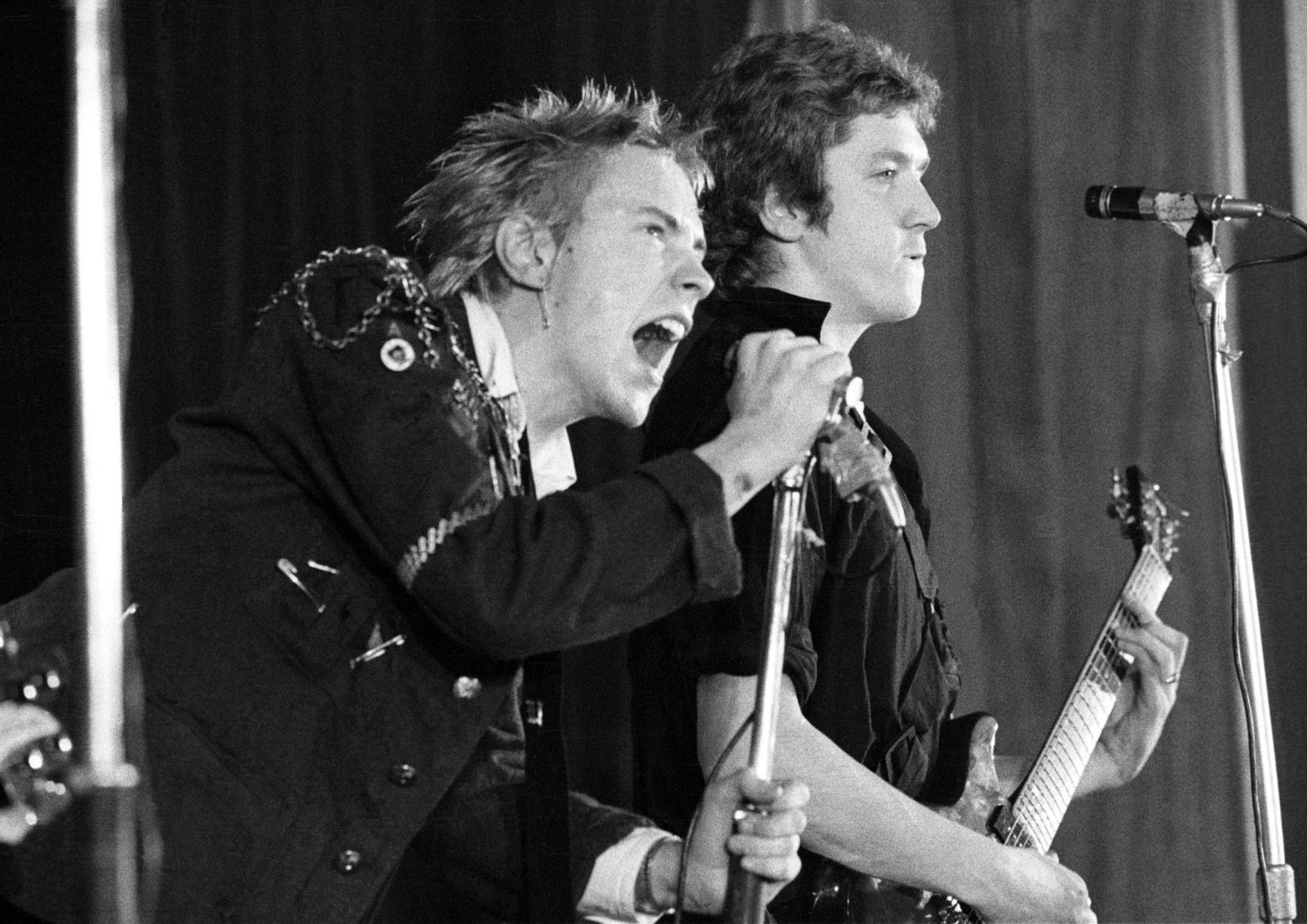
Fifty years ago, the UK’s punk scene was rapidly emerging, with Sex Pistols at the forefront, performing energetic gigs across London and making an infamous appearance at Manchester’s Free Trade Hall, where Morrissey and future members of Joy Division were present. The influential punk fanzine Sniffin’ Glue published its inaugural issue, while The Clash and The Damned debuted live, with the latter releasing the first punk single, “New Rose,” in October.
In September 1976, the first punk festival took place at the 100 Club in Oxford Street, where Pirroni performed alongside Siouxsie and the Banshees during their debut. By the time The Roxy Club opened in December, punk had already gained notoriety, marked by the Sex Pistols’ controversial appearance on Bill Grundy’s show, leading the tabloids to depict the movement as a chaotic rebellion against societal norms.
Punk’s influence remains a subject of celebration and debate five decades later. Andrew Czezowski, who managed The Damned and Billy Idol’s Generation X, opened The Roxy Club in Covent Garden. “Most of [what people think about punk] they get from Wikipedia,” he states, suggesting a disconnect between popular narratives and the realities of the movement.
The London punk scene found its roots in King’s Road, Chelsea, where Vivienne Westwood and Malcolm McLaren’s shop, initially named Let It Rock and later rebranded as SEX, served as a gathering place for an eclectic group of outsiders drawn to its provocative fashion and countercultural ethos.
“It was the opposite of the outside world,” explains Pirroni, who frequented the shop as a teenager. McLaren aimed to create his version of the New York Dolls’ aesthetic, inspired by the chaos he encountered during a trip to New York. “He was excited by the attitude. He absolutely loved when things were chaotic,” Pirroni recalls.
Westwood’s transformative designs, which blended elements of fetish and punk, captivated early fans. “The Sid Vicious spiky hair leather jacket thing hadn’t started yet. Everyone was really individual,” Pirroni notes. Czezowski, who managed the punk fashion shop Acme Attractions, emphasizes the significance of the attitude that accompanied the fashion: “Because it gave you an idea that you could adapt yourself.”
A common narrative is that punk arose from economic despair and youth disillusionment, but Czezowski challenges this perspective, stating, “I think that’s a lot of rubbish invented by the newspapers, frankly.” Many bands were composed of members from middle-class backgrounds, with aesthetics often rooted in artistic rather than impoverished influences.
Even those without jobs had opportunities that allowed them to channel their creativity. “You had the freedom to live in squats and sign on the dole or get a student grant at the time,” reflects Gina Birch, a member of the art-punk band The Raincoats. Birch discovered the punk scene upon moving to London in the summer of 1976, living alongside other artists and even some from the hippie movement, marking a surprising overlap between the two cultures.
The do-it-yourself ethos of punk, largely fueled by the Sex Pistols, encouraged a generation to take action. “For the first time, you could just do it,” says Pirroni, who formed bands prior to joining Adam Ant. Birch found inspiration in the all-female band The Slits. “What The Slits did was amazing, because they told their own stories in their own way. That’s what I was interested in,” she states.
While some perceive punk’s rebellion as a direct opposition to previous musical styles, Pirroni suggests otherwise. “We all loved Bowie, Roxy, Iggy,” he remarks, indicating a more complex relationship with past influences. Furthermore, Birch suggests that punk carried an attitude more than a revolutionary sound: “The Pistols and Clash songs weren’t a revolutionary new form of music; it was an attitude as much as anything.”
Pirroni notes, “We were just anti-establishment. We didn’t even know it. There was no plan. It was a musical and social revolution.” The movement lacked a manifesto, as observed by Czezowski, who comments on the initial focus of many in the scene being on personal experiences over political commentary.
Despite this, punk had an undeniable social impact. The Clash’s debut single “White Riot,” addressing racial and societal tensions in 1977, signified a burgeoning awareness within the movement. For the Sex Pistols, their disdain for authority was articulated through profound expressions of anger, described by Czezowski as “eloquent rage.”
Contrary to the nihilism implied in the infamous “God Save The Queen,” punks held onto hopes for positive change. “Yeah, there was racism and sexism, the potential of nuclear war. But you felt that somehow, we could make a difference,” echoes Birch. Pirroni adds, “I did think, ‘We are changing things here.’ It was affecting the country.”
Russ Bestley, a teenage observer from Tunbridge Wells, became intrigued by the punk scene and its perceived rebellion against authority. “Once I heard the music, it made a lot more sense,” he reflects, now a punk academic analyzing the socio-cultural revolutions that sprouted alongside the London scene across the UK.
The consolidation of punk culture in London continued with The Roxy, a space that Czezowski initially opened to provide a platform for punk bands. Despite its reputation for violence, which he claims was exaggerated by the media, The Roxy became instrumental in the punk scene, offering punks a space to express themselves.
However, the club’s closure in April 1977, following only a short lifespan, marked a turning point for the movement. While some viewed it as the end of punk, others like Bestley argue that it merely signified the peak of its initial surge. “Because that is when most people heard the music, and when people did something with it,” he states.
Looking back, the punk movement continues to resonate in various dimensions today, particularly through its musical legacy and indelible DIY spirit. “Loads of women are playing guitars because of it,” Birch emphasizes, highlighting its lasting influence on gender dynamics in music.
The social shifts initiated by punk paved the way for diverse expressions of identity, demonstrating that the movement fundamentally altered perceptions of self and community in contemporary society. “It changed everything,” concludes Pirroni.