Clacton voters face a record-breaking choice when they pick their next MP on Thursday, with an unprecedented 34 candidates entering the race for the August 13, 2026 by-election, reports BritPanorama.
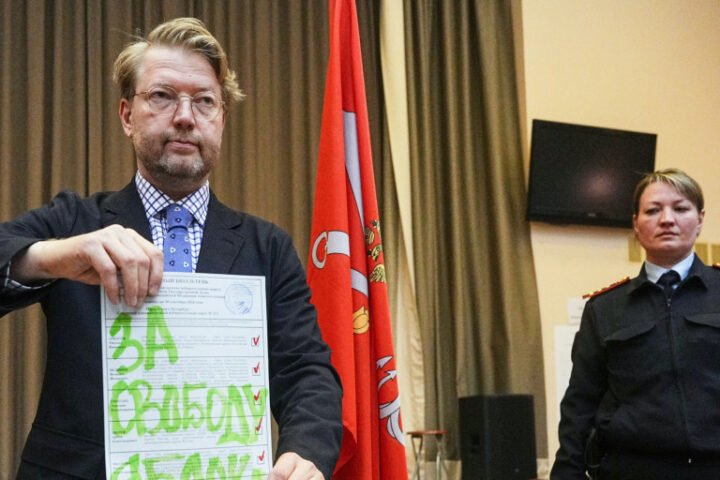
The ballot paper for the election measures around 3ft long, surpassing previous records set in UK parliamentary elections. This length has prompted logistical challenges for the electoral staff, particularly in folding the paper for postal votes and ensuring it can be managed effectively during the counting process.
Among the candidates are notable figures like Nigel Farage, who triggered the by-election following his resignation from the Commons, and Count Binface, representing the Count Binface Party. The diversity of candidates includes independents and representatives from minor parties, reflecting a broad spectrum of political interests in the constituency.
Polling stations will open from 7 am until 10 pm, and all individuals voting in person must present an accepted form of photo ID. In a departure from the norm, major parties like Labour, Conservatives, Liberal Democrats, and the Green Party are not fielding candidates, adding to the uniqueness of this election.
The current by-election comes after Farage left the House of Commons on July 8, 2026, prompting the necessary writ for a new election the following day. With no major party candidates, this election presents a significant opportunity for smaller parties and independent candidates to make their mark.
What does this by-election signify?
The 34 candidates represent a record for UK parliamentary elections, previously held by 26 candidates in the 2008 Haltemprice and Howden by-election. This influx has been attributed to a change in political dynamics within the constituency, highlighting a trend towards more diverse representation in UK politics.
Overall, this by-election is not only about the immediate contest for the Clacton seat but also reflects broader shifts in the UK’s political landscape, as increasing numbers of candidates from various backgrounds seek to engage with constituents on pressing issues.
The implications of this election extend beyond Clacton, potentially shaping the future of small parties and independents in the UK electoral system.
The record length of the ballot and the high number of candidates could lead to increased voter interest and engagement, marking a significant moment in electoral history.