Reproductive crisis in lab mice linked to chemical exposure
Researchers at Washington State University have reported that lab mice began experiencing severe reproductive issues, including the loss of fetuses exhibiting serious birth defects, such as facial deformities and inadequate hindquarters, prompting a detailed investigation, reports BritPanorama.
The situation mirrors a previous incident at the Ohio lab of Patricia Hunt, where unusual chromosomal divisions in mouse eggs and embryos had resulted in genetic anomalies, including conditions like Down syndrome. Hunt and her team identified the problem as being caused by a novel cleaning method that compromised the structural integrity of polycarbonate cages housing the mice. This degradation led to their exposure to bisphenol A (BPA), a chemical recognized for its ability to mimic estrogen and disrupt hormonal balances.
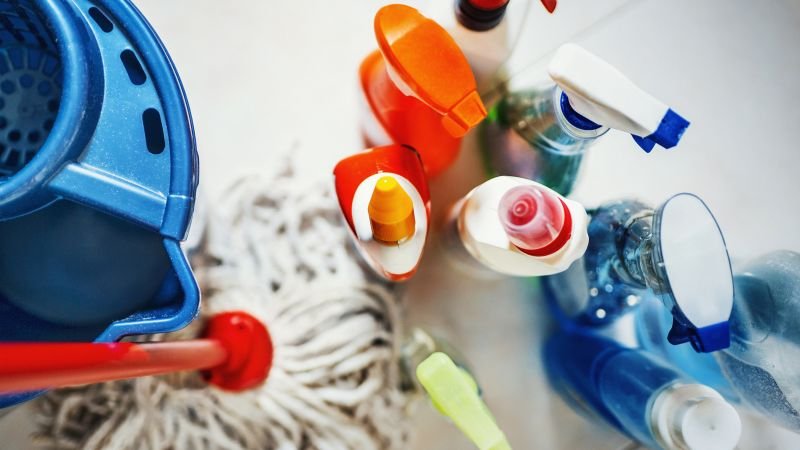
Fast-forward nearly a decade, and Hunt now refers to herself as the “accidental toxicologist.” She linked current reproductive failures in her lab to exposure to quaternary ammonium compounds (QACs). These compounds are commonly found in various disinfectants and hand sanitizers widely used in homes and public facilities. Classed as pesticides, QACs also appear in baby wipes and a range of personal care products.
QACs, first developed for commercial use in the early 20th century, were initially considered safe but emerging evidence is questioning their health implications. “We now know QACs can be detected in human blood. There’s also a growing infertility problem, and based on studies in mice, I would expect that QACs are contributing,” Hunt stated, emphasizing the urgent need for further investigation.
Worries about the public’s lack of awareness
Research over the past decade has raised alarms regarding QACs’ impacts on inflammation, reproductive hormones, and the developing brain. These compounds have been associated with exacerbating conditions such as asthma and chronic lung disease, particularly in occupational settings, according to experts.
QACs have been detected not only in household dust but also in various biological samples from humans, including blood serum and breast milk. Concerns are mounting over their accumulation in vital organs. A study suggests these compounds may also adversely affect the cells in the brain responsible for myelin creation, potentially leading to serious neurodegenerative conditions.
Experts caution that QACs are “flying under the radar” when it comes to public health concerns. Rebecca Fuoco from the Green Science Policy Institute noted, “Quaternary ammonium compounds are on track to be the next major toxic chemical story, combining elements of PFAS, phthalates, and flame retardants. We’re worried the public knows nothing about these dangers.”
Regulatory perspectives and research findings
A spokesperson for the American Cleaning Institute (ACI) has countered claims that QACs pose a significant health risk, emphasizing that mere detection in biological samples does not necessarily imply adverse health effects. The relevance of existing studies, according to the ACI, is heavily contingent on dosage and exposure parameters.
Collaborative research efforts between Hunt and reproductive researcher Terry Hrubec, who has observed similar fetal deformities in her lab, have led to pivotal studies showing that QACs may disrupt normal reproductive functions significantly. Their findings indicate that exposure to QACs can lead to reduced pregnancy rates and complications during labor.
Use of QACs surges during pandemic
With the COVID-19 pandemic driving a dramatic increase in disinfectant use, studies indicate that household dust levels of QACs surged by 62%, with corresponding rises in human blood levels. The continuing use and public acceptance of QACs in everyday cleaning products could pose long-term health risks, experts caution.
Despite fears decreasing, the demand for effective sanitization remains high, with the market for QACs projected to grow further. Industry insiders acknowledge that while QACs are effective at killing pathogens, the potential for harmful side effects necessitates cautious use.
As Hunt articulates, the increasing reliance on QACs may echo past experiences with BPA: “We have manufactured QACs and released them into commerce before we really understood how to monitor them in human bodies. I just don’t think we should be coming in contact with these chemicals.”
This ongoing situation highlights the complexities surrounding chemical safety and public health, underscoring the importance of further investigation into the effects of widely used compounds like QACs.