Sheikh Hasina plans return from exile amid legal challenges
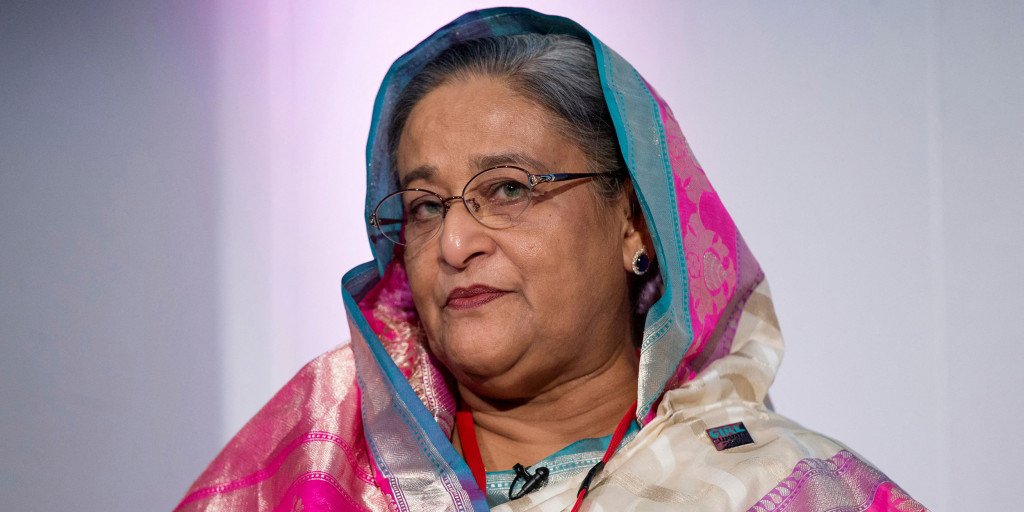
Ousted former Bangladeshi Prime Minister Sheikh Hasina announced her intention to return from exile in India this December, despite facing a death sentence in Bangladesh related to a violent crackdown on protesters, reports BritPanorama.
In an audio address delivered from New Delhi during an event commemorating the second anniversary of her government’s ousting, Hasina emphasized her sense of duty to her people, asserting her commitment to return voluntarily despite her conviction on crimes against humanity charges.
Bangladesh’s government reacted sharply to Hasina’s address, expressing “outrage” at her engagement with the media on Indian soil. The Ministry of Foreign Affairs stated that her actions were detrimental to diplomatic relations between Bangladesh and India, questioning the appropriateness of her comments on such a significant anniversary.
The ministry’s statement highlighted that Hasina’s interaction on a day when Bangladeshis remember the July Revolution was an affront to the country’s sovereignty and disrespectful to its martyrs.
Hasina has been in exile in India since her departure in 2024, following widespread protests that led to her ousting. In 2025, she was sentenced to death for her role in the violent response to the uprising, which a United Nations report stated resulted in nearly 1,400 deaths. Hasina continues to deny any wrongdoing.
Bangladesh has repeatedly sought her extradition from India, although Indian authorities have not yet agreed to her return.
During her address, Hasina acknowledged the potential dangers she might face upon her return, stating, “I know that they may put me in jail, or they may kill me, or anything may happen, but still I have to go back. Fear cannot decide my duty to the people.”
Also on Wednesday, current Prime Minister Tarique Rahman inaugurated a memorial museum for the 2024 uprising at Hasina’s former official residence in Dhaka. The museum features personal items of victims and serves to document the political repression experienced during Hasina’s 15 years in power.
This project was initiated by Muhammad Yunus, who became interim Prime Minister shortly after the uprising, and the museum opening signifies a turning point in Bangladesh’s ongoing political narrative.
As tensions remain high, Rahman’s government, which secured a significant electoral victory in February, continues to manage the implications of Hasina’s potential return and the ongoing resonance of the uprising. The situation reflects the complexities of the nation’s evolving political landscape.