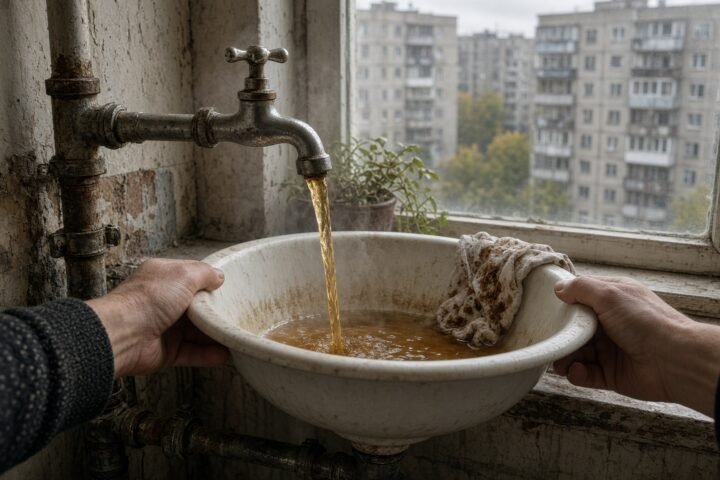
Half of England and all of Wales is now officially in drought. The implications extend beyond meteorological conditions, as the economic and political repercussions of extreme weather events are increasingly pronounced, reports BritPanorama.
Is this unprecedented?
This situation is not entirely new; previous droughts have been recorded, notably the prolonged period of 1976 when little rain fell between May 1975 and August 1976. However, the frequency of droughts in recent years is notable, with three occurring in the past five years — in 2022, 2025, and now 2026 — accompanied by unusually wet winters.
What does it mean for farmers?
Farmers find themselves on the front lines of this crisis, struggling to adapt. Successive record hot summers have drastically altered conditions, complicating the cultivation of traditional crops and livestock rearing. Consequently, farmers face earlier and smaller yields; in severe cases, substantial investments in irrigation and storage may result in total crop failures.
The broader context includes rising energy and fertiliser costs driven by ongoing conflicts in the Middle East, alongside mounting challenges stemming from tax and wage policy decisions. A crisis in agriculture is unfolding.
What happens then?
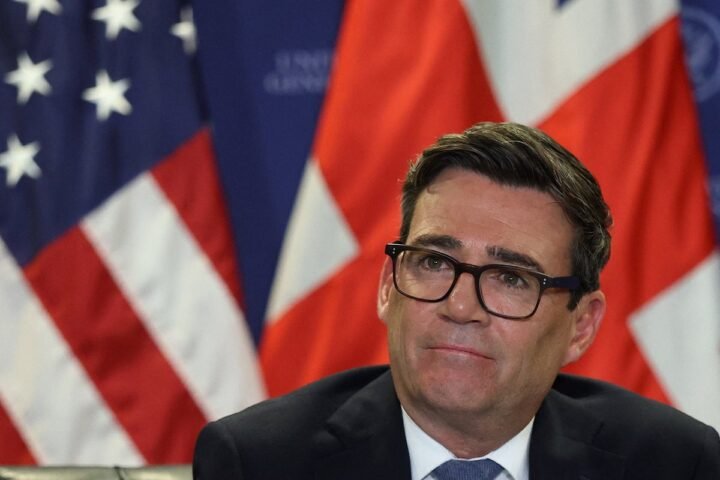
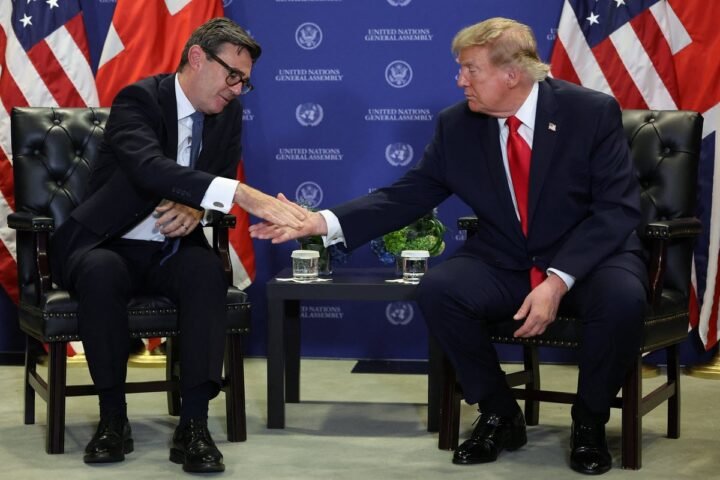
The anticipated outcome is an increased reliance on food imports, further exacerbating the trade deficit and inflationary pressures. Sectors of agriculture that have lost post-Brexit subsidies are now facing critical challenges, potentially needing government assistance — a significant early test for Andy Burnham.
Who to blame?
An essential shift in political awareness regarding climate change appears necessary, particularly among right-leaning factions who have been resistant to acknowledging its realities. Some positive signs are emerging, yet key figures like Kemi Badenoch continue to advocate for a reversal of net-zero targets established by Theresa May. Denial of the climate emergency may weaken parties like Reform UK while potentially benefiting the Greens, albeit temporarily.
What can the government do?
To address the crisis, the government could prioritize support for farmers facing bankruptcy and reinforce commitments to net-zero policies instead of diluting them. Additionally, immediate strategies could include the construction of more reservoirs, irrespective of issues with failing water companies.
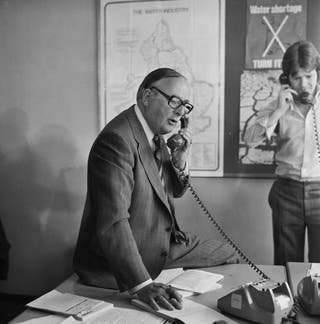
Calls for urgent action from Burnham are likely to intensify, yet his options are limited. In response to the drought of 1976, then-Prime Minister James Callaghan appointed Denis Howell as a coordinating “minister for drought” — he quickly earned the moniker “minister for rain” from the press. Howell’s role involved overseeing water rationing and providing conservation advice.
If Burnham does not act decisively, a suggestion could be to promote current minister for water, Emma Hardy, to “minister for lack of water.” She already leads the National Drought Group, comprising diverse stakeholders, including the Met Office, civil servants, and conservation experts. Will she need to counter Burnham’s possible suggestions with a nod to reality?
What can we do?
On an individual level, simple actions such as turning off taps while brushing teeth, taking shorter showers, and fixing leaks can contribute to overall water conservation, suggest government sources.
Will it ever end?
Historically, droughts have been followed by periods of abundant rainfall. Following Howell’s appointment half a century ago, the drought was alleviated by heavy rain, although the credit did not go to Howell or the Labour government. Such cyclical weather patterns underscore the unpredictability of climate phenomena.