Modi announces fast-track courts amid protests over exam paper leaks
Indian Prime Minister Narendra Modi said Thursday that “fast-track” courts would be set up to prosecute those behind exam paper leaks, his first public response after days of youth protests demanding the resignation of the education minister, reports BritPanorama.
However, the protesters and opposition parties swiftly rejected Modi’s proposal and insisted that Education Minister Dharmendra Pradhan quit first, with opposition groups disrupting parliament for the fourth day this week.
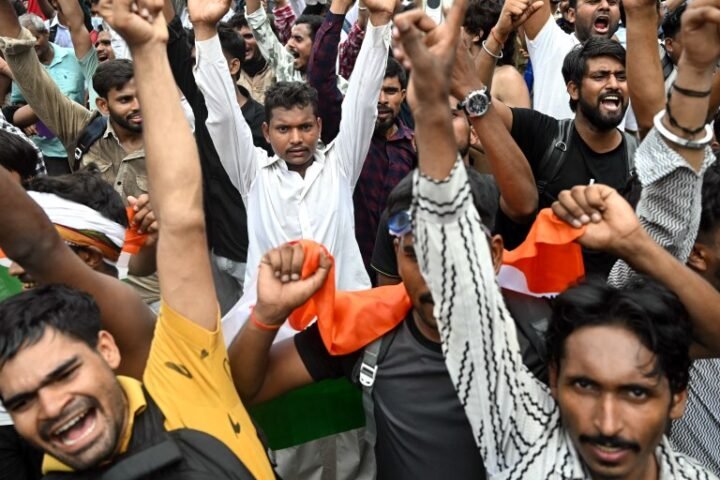
Clashes occurred late Wednesday in New Delhi as protesters confronted police, who responded with tear gas and batons to disperse the crowds.
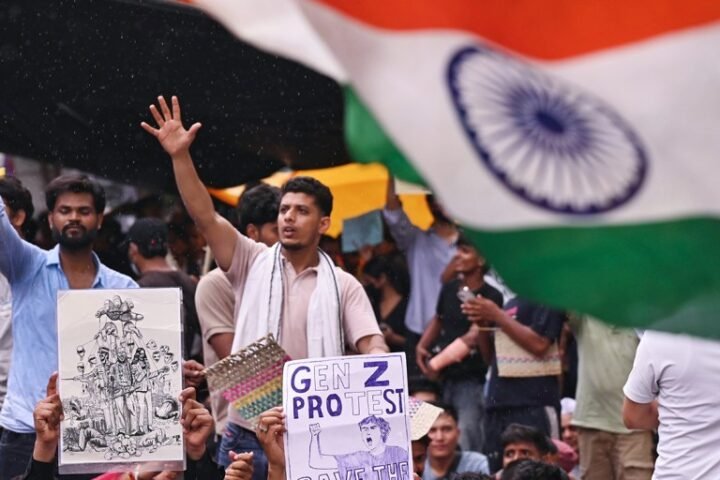
The protests represent the largest youth uprising against Modi’s government since he took office in 2014, echoing frustrations regarding systemic issues like job scarcity and frequent examination breaches. Opposition parties have capitalized on this moment, stymying parliamentary proceedings.
“Nothing is more important than the welfare and future of our youth!” Modi stated on X, outlining the establishment of fast-track courts to ensure swift accountability for individuals implicated in the leaks.
These fast-track courts aim to expedite judicial processes in a system often criticized for inefficiency, facilitating prompt resolution of cases related to serious offenses, including sex crimes and corruption.
One significant facet of the situation is the emergence of the self-named Cockroach Janta Party (CJP), which initiated protests last month over exams that impacted around 2 million students and were linked to several suicides. CJP spokesperson Ashutosh Ranka raised concerns regarding systemic corruption: “But Modi-ji, tell us why are paper leaks happening in this country in the first place?”
The increasing mobilization of the CJP underscores a critical juncture for the government, offering opposition parties a unique opportunity to mount pressure against Modi’s Bharatiya Janata Party (BJP), especially as young voters have been pivotal to their electoral successes.
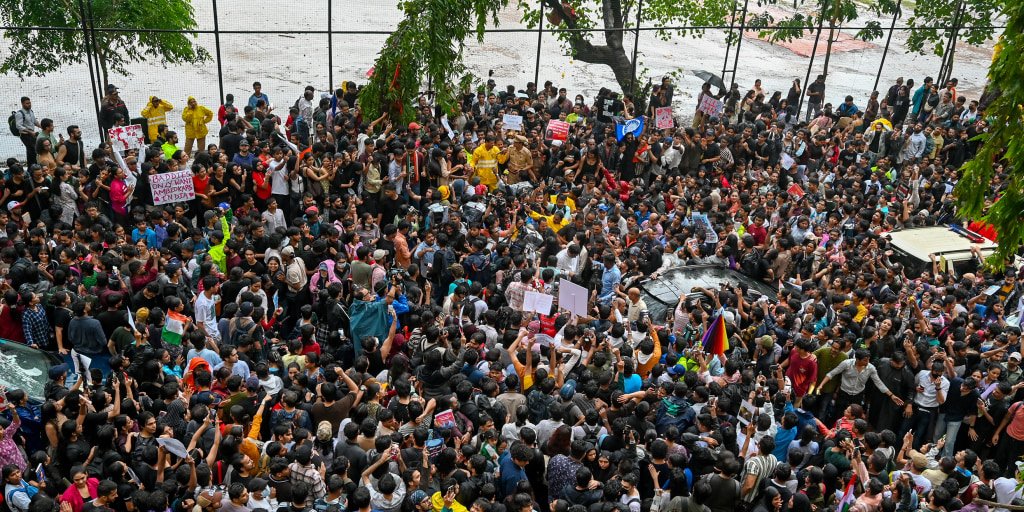
As tensions mount in the capital, with thousands gathered at Jantar Mantar, security force responses have included shutting down 16 metro stations to manage crowds and protect public safety. Recent talks between the government and CJP leaders indicated a willingness to consider reforms to the examination system, although protests are expected to persist until substantive changes are implemented.
The developments signal a notable escalation in political challenges facing Modi’s administration, as it navigates significant youth dissatisfaction while contending with an increasingly vocal opposition in parliament.
Efforts to address the issues raised by the youth movement appear necessary, lest the situation devolve further amid rising public discontent.